- 22Q-VCFS
- Adolescent Medicine
- Adult Congenital Heart Disease
- Aerodigestive and Esophageal
- Aerodigestive and Sleep
- Allergy and Immunology
- Anesthesia
- Apraxia
- Arrhythmia
- Asthma
- Attention Deficit Hyperactivity Disorder (ADHD)
- Audiology
- Autism
- Autoimmune Liver Disease
- Bariatric Surgery
- Behavioral Medicine
- Bladder Stones
- Bone Marrow Transplantation (BMT)
- Brachial Plexus
- Brain Tumor
- Breastfeeding
- Bronchopulmonary Dysplasia (BPD)
- Bronchoscopy
- CHARGE Syndrome
- Cancer Survivorship
- Cancer and Blood Diseases
- Cardiac Intensive Care
- Cardiac MRI
- Cardio-Oncology
- Cardiology
- Cardiology Tube Wean
- Cardiomyopathy
- Cardiorespiratory Wellness
- Cardiothoracic Surgery
- Cardiovascular Genetics
- Catheterization and Intervention
- Cerebral Palsy
- Cerebrovascular
- Chest Wall
- Child Abuse Prevention
- Cochlear Implant
- Colorectal Disorders
- Complex Care
- Congenital Diaphragmatic Hernia
- Coronary Artery Defects
- Craniofacial Disorders
- Cystic Fibrosis
- Dentistry and Orthodontics
- Dermatology
- Developmental and Behavioral Pediatrics
- Diabetes
- Dialysis
- Differences of Sex Development
- Down Syndrome
- Dystonia and Surgical Movement Disorders
- Ear Nose Throat
- Ear and Hearing
- Eating Disorders
- Ehlers-Danlos Syndrome
- Electrophysiology
- Emergency Medicine
- End-Stage Renal Disease
- Endocrinology
- Environmental Health
- Eosinophilic Disorders
- Epidermolysis Bullosa (EB)
- Epilepsy
- Fanconi Anemia
- Feeding and Swallowing Problems
- Fertility Preservation
- Fetal Care
- Fontan Management
- Foster Care
- Gastroenterology (GI)
- General and Community Pediatrics
- Genetic Pharmacology
- Genetic Testing for Hearing Loss
- Genetics
- Gynecology
- Hand and Upper Extremity
- Headache Medicine
- Heart
- Heart Failure
- Heart Transplant
- Hemangioma and Vascular Malformations
- Hemophagocytic lymphohistiocytosis (HLH)
- Hemophilia
- Hereditary Cancer
- Hereditary Hemorrhagic Telangiectasia
- Hip Preservation
- Home Care
- Home Ventilator
- Hospice
- Hospital Medicine
- Immune Deficiencies and Histiocytosis
- Infectious Diseases
- Inflammatory Bowel Disease (IBD)
- Injury Prevention
- International Adoption
- Interventional Radiology
- Intestinal Disorders
- Kidney Disease
- Kidney Stones
- Kidney Transplant
- Langerhans Cell Histiocytosis
- Lead Poison Prevention
- Legg-Calve-Perthes
- Leukemia
- Limb Lengthening and Reconstruction
- Liver Care
- Liver Transplant
- Liver Tumor
- Lung Transplant
- Lupus
- Lymphoma
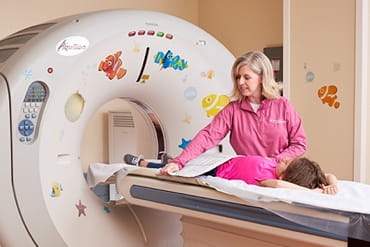
- Medical Imaging
- Mental and Behavioral Health
- Motility Disorders
- Neonatology
- Nephrology - Acute Care
- Nephrology and Hypertension
- Neuroblastoma
- Neurodevelopmental Conditions
- Neurofibromatosis
- Neurogastroenterology and Motility Disorders
- Neurology
- Neuromuscular Cardiology
- Neuromuscular Disorders
- Neuropsychology
- Neurosurgery
- Newborn Intensive Care (NICU)
- Obesity Prevention
- Obstructive Sleep Apnea
- Occupational Therapy
- Ophthalmology
- Orthopaedic Surgery
- Orthopaedics
- Otolaryngology (ENT)
- Pain Management
- Palliative Care
- Pancreas Care
- Pastoral Care
- Patent Ductus Arteriosus
- Pathology
- Pectus
- Pediatric Intensive Care Unit (PICU)
- Perinatal
- Perioperative Pain Management
- Phelan-McDermid Syndrome
- Physical Therapy
- Physical Therapy - Sports
- Plastic Surgery
- Preventive Cardiology
- Psychiatry
- Psychology
- Pulmonary Function
- Pulmonary Hypertension
- Pulmonary Medicine
- Radiology
- Rare Lung Diseases
- Rasopathy
- Rehabilitation Medicine
- Retinoblastoma
- Rett Syndrome
- Rheumatology
- Sarcoma
- School-Based Therapy
- Sickle Cell and Hemoglobin Disorders
- Single Ventricular Interstage
- Sleep Disorders
- Speech-Language Pathology
- Spina Bifida
- Spine
- Sports Medicine
- Steatohepatitis
- Stem Cell Transplant
- Sturge-Weber Syndrome
- Surgery - General and Thoracic
- Surgical Weight Loss
- Thrombosis
- Tic Disorder
- Tourette Syndrome
- Transgender Health
- Transition Medicine
- Trauma Services
- Treacher Collins
- Tuberous Sclerosis
- Upper Airway
- Ureteral Stones
- Urology
- Velopharyngeal Dysfunction (VPI)
- Ventricular Assist Device (VAD)
- Voice Disorders
- Young Adult Cancer
Popular search terms

Find a Doctor
- Anderson Primary Care
- Bardstown KY
- Batesville
- Burnet Campus
- Centerville
- Cold Spring Primary Care
- College Hill Campus
- Connersville IN
- Crestview Hills
- Danville KY
- Eastgate
- Eden Park
- Elizabethtown KY
- Fairfield
- Fort Wayne
- Green Township
- Greensburg Primary Care
- Hillsboro OH Mobile Care Center
- Hopple Street Neighborhood Health Center
- Hughes STEM School-Based Health Center
- Kenwood
- Kenwood Crossing Primary Care
- La Grange KY
- Lawrenceburg IN
- Liberty Campus
- Liberty Primary Care
- Louisville KY
- Loveland Primary Care
- Mason Campus
- Mason Primary Care
- Maysville
- New Richmond School-Based Health Center
- Norwood
- Owensboro KY
- Oxford OH
- Portsmouth OH
- Proton Therapy
- Rockdale Academy School-Based Health Center
- Shelbyville IN
- Shelbyville KY
- South Avondale School-Based Health Center
- Southgate Primary Care
- Springboro Primary Care
- Springdale Primary Care
- Union
- Washington Court House OH
- West Union
- Wilmington Primary Care
- Winslow



Connect With Us
3333 Burnet Avenue, Cincinnati, Ohio 45229-3026
© 2026 Cincinnati Children's Hospital Medical Center. All rights reserved.


