Making Innovative Discoveries Related to Blood and Cancer Diseases
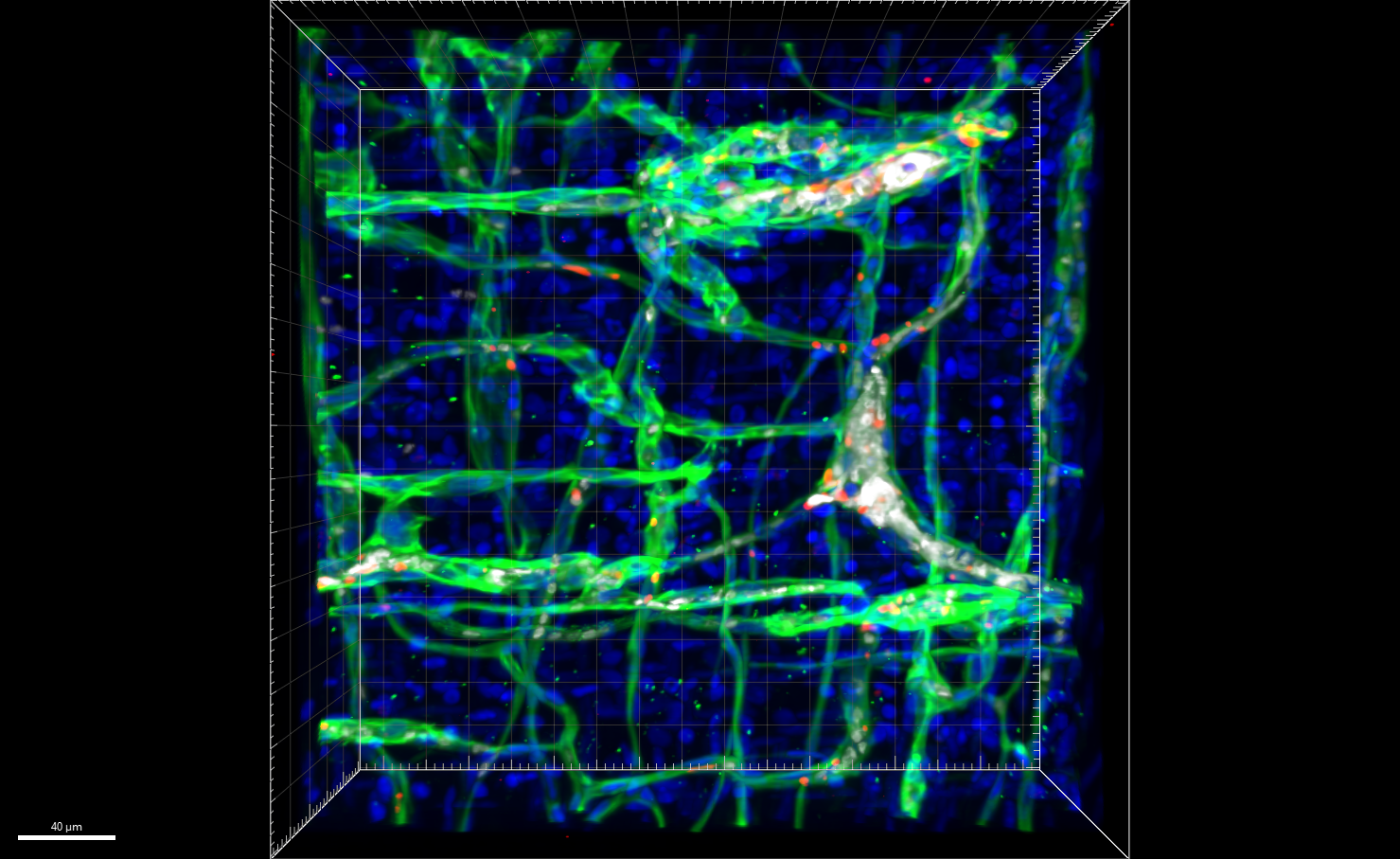
The Division of Experimental Hematology and Cancer Biology at Cincinnati Children’s is dedicated to advancing the understanding of human blood diseases and pediatric cancers. We serve as the basic research arm of the Cancer and Blood Diseases Institute. As part of the nation’s No. 1-ranked pediatric cancer program, we explore the biology of blood cell formation and function and investigate cancer etiology and therapies.
Our team includes primarily PhDs, along with MDs and MD/PhDs. Together, we pursue our mission of transforming innovative scientific discoveries into groundbreaking treatments—ultimately improving the lives of pediatric patients with blood diseases and cancer.
Our Research
For over two decades, our division has focused on basic and translational research in blood cells and cancer. We examine how abnormalities in the genetic code and cell signaling pathways contribute to the development of cancer and blood diseases within the context of regulatory mechanisms in normal cell and tissue physiology. This foundational work paves the way for new approaches to diagnosis, treatment and cure for some of the most serious pediatric diseases.
Our division prides itself on fostering a highly collaborative environment. Not only do we promote multidisciplinary research with other divisions at Cincinnati Children’s, but we also collaborate with institutions worldwide.
We also serve as a Cincinnati Center of Excellence in Molecular Hematology, funded by the National Institutes of Health (NIH).
Basic Research Programs
Our research is focused on eight thematic programs. Each program seeks to understand the mechanisms and develop novel therapies associated with clinical programs in these areas:
- Brain Tumor
- Cancer Biology and Neural Tumors
- Hemangioma and Vascular Malformations
- Hematological Malignancy
- Hematology and Gene Therapy
- Hemostasis and Thrombosis
- Signaling and Drug Discovery
- Stem Cell
Nurturing the Next Generation of Scientists and Clinicians
Dedicated mentoring and training programs ensure the professional growth of team members and trainees—the future leaders in cancer and molecular hematology research. Aspiring scientists may apply for pre- and postdoctoral fellowships.