
Kimberly A. Risma, MD, PhD
- Professor, UC Department of Pediatrics
- kimberly.risma@cchmc.org
- Board Certified


About
Biography
I am a physician-scientist with a broad background in molecular immunology, molecular biology and translational research applications. I completed an MD and PhD in pharmacology from Case Western Reserve University (CWRU), followed by clinical training in pediatrics and fellowship training in allergy/immunology at Cincinnati Children’s. I joined the Division of Allergy and Immunology faculty at Cincinnati Children’s in 2005.
My research as a faculty member has utilized basic, translational and genetic approaches to understanding pediatric disorders of immunodeficiency, immune dysregulation and adverse immune reactions to medications.
As a clinician, I see patients from around the country in consultation for immune deficiency, immune dysregulation and allergic disorders, particularly allergic drug reactions. My approach to patient care is the same as every other employee at Cincinnati Children’s — be the best at getting better!
Since 2019, I have been growing the scope and impact of the Cincinnati Children’s Drug Allergy Program. I’m honored to have received the Senior Faculty, Clinician Clinical Care Achievement Award (2020). This award honors our team's work building the drug allergy program at Cincinnati Children’s.
At least 10% of children have a medication allergy, which is generally unverified. Everybody wins when we can remove or confirm the allergy with allergy testing. I love the challenge of making the correct diagnosis and finding a treatment that improves the quality of people’s lives. I want to understand why children develop allergic symptoms with illnesses, how to treat their symptoms best, and the impact of medication allergy labels on the cost of medical care.
When not at work, I like to sail, walk my dog, watch sports and enjoy the outdoors with my family. I also love learning new science and making new research discoveries — this really energizes me!
MD: Case Western Reserve University School of Medicine, Cleveland, OH, 1997
PhD: Case Western Reserve University School of Medicine, Cleveland, OH, 1996
Residency: Pediatrics, Cincinnati Children's Hospital Medical Center, 2000
Fellowship: Allergy / Immunology, Cincinnati Children's Hospital Medical Center
Certifications: Pediatrics, 2007; Allergy and Immunology, 2005
Interests
Immune dysregulation; adverse drug reactions
Interests
Adverse drug reactions; mechanisms of immune dysregulation
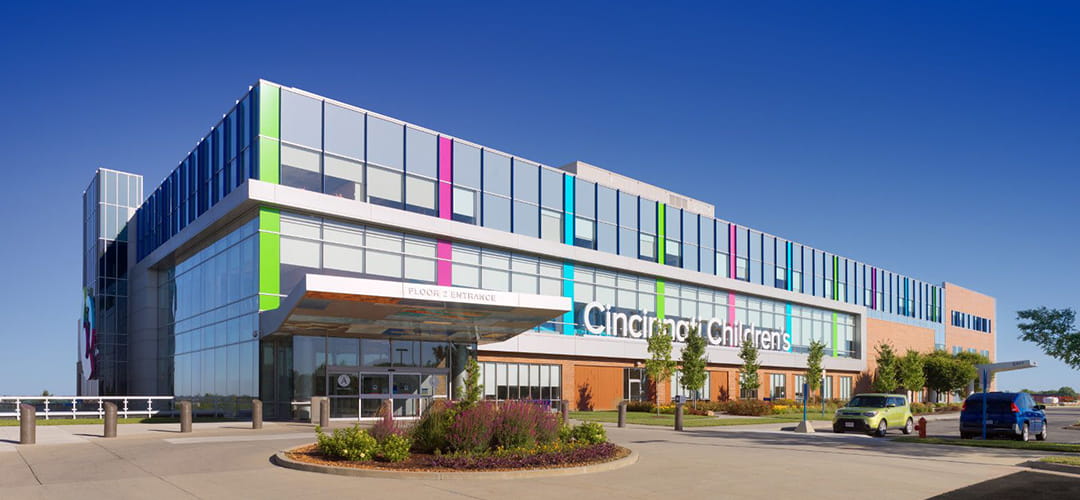
Locations (2)

Insurance Information
Cincinnati Children's strives to accept a wide variety of health plans. Please contact your health insurance carrier to verify coverage for your specific benefit plan.
Publications
Epinephrine and emergency medical services activation recommendations during acute allergic reactions in community settings: International consensus report. Journal of Allergy and Clinical Immunology. 2026; 157(2):429-441.
Direct challenges are safe and effective in children with low-risk allergies to oral cephalosporins. Journal of Allergy and Clinical Immunology: In Practice. 2026; 14(1):286-288.e1.
Non-injectable versus injectable epinephrine treatment thresholds for acute allergic reactions in the community. Journal of Allergy and Clinical Immunology: In Practice. 2025.
Penicillin Allergy Decision & Mobile Empowerment (PADME)-Ideation and design of a novel delabeling program for children. Journal of Allergy and Clinical Immunology: In Practice. 2025.
Drug hypersensitivity reactions in children in clinical practice: A WAO Statement. World Allergy Organization Journal. 2025; 18(9):101087.
Serum sickness-like reactions in children taking antibiotics represent a distressing form of infection-associated urticaria and may recur unpredictably in susceptible children. Journal of Allergy and Clinical Immunology: In Practice. 2025; 13(5):1214-1216.e3.
Serum Sickness-Like Reactions in Children-Is Lifelong Avoidance Indicated? Journal of Allergy and Clinical Immunology: In Practice. 2025; 13(5):969-977.
AAAAI Position Statement on Changing Electronic Health Record Allergy Documentation to "Alerts" to Lead to Easily Understood, Actionable Labels. Journal of Allergy and Clinical Immunology: In Practice. 2024; 12(12):3237-3241.
COVID-19 Vaccination in Patients with Inborn Errors of Immunity Reduces Hospitalization and Critical Care Needs Related to COVID-19: a USIDNET Report. Journal of Clinical Immunology. 2024; 44(4):86.
Factors Influencing Career Choice of Allergy and Immunology Fellows-in-Training: A Work Group Report of the AAAAI Program Directors Assembly Executive Committee. Journal of Allergy and Clinical Immunology: In Practice. 2024; 12(3):627-632.e4.
From the Blog

Trailblazing for Pediatric Penicillin Allergy Delabeling
Kimberly A. Risma, MD, PhD, Andrew Winslow, MD4/27/2026

3333 Burnet Avenue, Cincinnati, Ohio 45229-3026
© 2026 Cincinnati Children's Hospital Medical Center. All rights reserved.


Patient Ratings and Comments
All patient satisfaction ratings and comments are submitted by actual patients and verified by a leading independent experience management company, Qualtrics. Patient identities are withheld to ensure confidentiality and privacy. Only those providers whose satisfaction surveys are administered through Cincinnati Children’s Hospital Medical Center are displayed. Click here to learn more about our survey