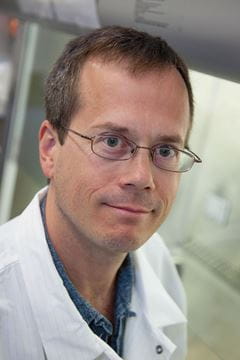
Bruce J. Aronow, PhD
Co-director, Computational Medicine Center
focuses his research on unraveling the role and mechanism by which the functional capabilities of the human genome shape human health and the body’s ability to adapt to stressful challenges. With the co-leadership of Anil Jegga, DVM, his lab is using a variety of available data on structural and functional genomics and biological systems to form models of how biological systems assemble, adapt and become impaired in disease. Visit the Aronow/Jegga Lab.
513-636-0263
bruce.aronow@cchmc.org
Bruce J. Aronow, PhD
Co-director, Computational Medicine Center
Academic Information
Professor, UC Department of Pediatrics
Show All
Specialties
Biography
Dr. Aronow's research is devoted to unraveling both the role and mechanism by which the functional capabilities of the human genome shape human health and our ability to adapt to stressful challenges. His lab is using a variety of available structural and functional genomic and biological systems descriptive data to form models of how biological systems assemble, adapt and become impaired in disease. The lab's overall hypothesis is that by interconnecting as much experimental and observational information as possible, we can gain new insights into the mechanisms by which different biological systems can achieve health or healthy adaptation, or undergo disease processes. More specific, with the co-leadership of Anil Jegga, DVM, the lab is identifying genetic features that control gene expression including cis-elements, trans factors and microRNAs, which normally work together in extended cell, tissue, organ and systems networks to enable development and homeostasis. Alterations of these features can alter phenotypes and increase or decrease disease. Some of the lab's work includes the identification of conserved, diverged and evolved cis-element clusters that are acted on by transcription and chromatin proteins. The lab has developed a Web-based tool called GenomeTraFaC that at present allows discovery of shared cis-elements in conserved non-coding sequences of mice and humans.
Education and Training
BS: Chemistry, Stanford University, Stanford, CA, 1976
PhD: Biochemistry, University of Kentucky, Lexington, KY, 1986
Research Fellowship: Division of Basic Science Research, Cincinnati Children's Research Foundation, Cincinnati, OH, 1986-1989
Publications
View PubMed Publications Barnes MG, Grom AA, Thompson SD, Griffin TA, Pavlidis P, Itert L, et al. Subtype-specific peripheral blood gene expression profiles in recent-onset juvenile idiopathic arthritis. Arthritis and rheumatism. 2009 Jul;60(7):2102-12. Qu XA, Gudivada RC, Jegga AG, Neumann EK, Aronow BJ. Inferring novel disease indications for known drugs by semantically linking drug action and disease mechanism relationships. BMC Bioinformatics. 2009 May;10 Suppl 5:S4. Gu Y, Harley IT, Henderson LB, Aronow BJ, Vietor I, Huber LA, et al. Identification of IFRD1 as a modifier gene for cystic fibrosis lung disease. Nature. 2009 Apr 23;458(7241):1039-42. Nishijo K, Chen QR, Zhang L, McCleish AT, Rodriguez A, Cho MJ, et al. Credentialing a preclinical mouse model of alveolar rhabdomyosarcoma. Cancer Res. 2009 Apr 1;69(7):2902-11. Chen J, Aronow BJ, Jegga AG. Disease candidate gene identification and prioritization using protein interaction networks. BMC Bioinformatics. 2009 Feb;10:73. Shen H, Powers N, Saini N, Comstock CE, Sharma A, Weaver K, et al. The SWI/SNF ATPase Brm is a gatekeeper of proliferative control in prostate cancer. Cancer Res. 2008 Dec 15;68(24):10154-62. Brunskill EW, Aronow BJ, Georgas K, Rumballe B, Valerius MT, Aronow J, et al. Atlas of gene expression in the developing kidney at microanatomic resolution. Developmental cell. 2008 Nov;15(5):781-91. Mahller YY, Sakthivel B, Baird WH, Aronow BJ, Hsu YH, Cripe TP, et al. Molecular analysis of human cancer cells infected by an oncolytic HSV-1 reveals multiple upregulated cellular genes and a role for SOCS1 in virus replication. Cancer Gene Ther. 2008 Nov;15(11):733-41. Kucherlapati MH, Yang K, Fan K, Kuraguchi M, Sonkin D, Rosulek A, et al. Loss of Rb1 in the gastrointestinal tract of Apc1638N mice promotes tumors of the cecum and proximal colon. Proc Natl Acad Sci U S A. 2008 Oct 7;105(40):15493-8. Gudivada RC, Qu XA, Chen J, Jegga AG, Neumann EK, Aronow BJ. Identifying disease-causal genes using Semantic Web-based representation of integrated genomic and phenomic knowledge. J Biomed Inform. 2008 Oct;41(5):717-29.
Grants
CTSA - Enabling Tehnologies: Center for Translational & Molecular Disease. National Institutes of Health. Apr 2009 - Mar 2014.
|
Nadean L. Brown, PhD
investigates mechanisms of cell fate specification in the mouse retina and lens. Projects focus on the function and regulation of transcription factor and Notch signaling during progenitor cell proliferation, cell cycle exit and differentiation. Visit the Brown Lab.
513-636-1963
nadean.brown@cchmc.org
Nadean L. Brown, PhD
Academic Information
Associate Professor, UC Department of Pediatrics
Associate Professor, UC Department of Ophthalmology
Show All
Specialties
Education and Training
BA: Southern Illinois University, Biology and Chemistry, Edwardsville, IL, 1982 PhD: University of Wisconsin, Cellular and Molecular Biology, 1994 Postdoctoral Fellow: University of Michigan, Department of Biology, 1995-1996 Postdoctoral Fellow: University of Michigan Medical School, Division of Internal Medicine and Department of Human Genetics, 1996-1999
Publications
View PubMed Publications
Prasov, L, Brown, NL and Glaser, T. A critical analysis of Atoh7 (Math5) splicing in the developing mouse retina. PLoS One. 2010; Aug 5(8):e12315. Macgregor S, Hewitt AW, Hysi PG, Ruddle JB,Medland SE, Henders AK, Gordon SD, Andrew T, McEvoy B, Sanfilippo PG, Carbonaro F, Tah V, Li YJ, Bennett SL, Craig JE, Montgomery GW, Tran-Viet KN, Brown NL, Spector TD, Martin NG, Young TL, Hammond CJ, Mackey DA. Genome-wide association identifies ATOH7 as a major gene determining human optic nerve size. Human Molecular Genetics. 2010; Apr 15;340(2):490-503.
Hufnagel RB, Le TT, Riesenberg AL, Brown NL. Neurog2 controls the leading edge of neurogenesis in the mammalian retina. Developmental Biology. 2010;340:490-503.
Riesenberg AN, Liu Z, Kopan R, Brown NL. Rbpj cell autonomous regulation of retinal ganglion cell and cone photoreceptor fates in the mouse retina. Journal of Neuroscience. 2009;29(41): 12865-77.
Riesenberg AN, Le TT, Willardson MI, Blackburn DC, Vetter ML, Brown NL. Pax6 regulation of Math5 during mouse retinal neurogenesis. Genesis. 2009;47(3):175-187.
Le TT, Conley K, Brown NL. Jagged1 is necessary for normal mouse lens development. Developmental Biology. 2009;328(1):118-126.
Willardson MI, Suli A, Pan Y, Marsh-Armstrong N, El-Hodiri H, Chen CB, Moore KB, Brown NL, Vetter ML. Temporal regulation of Ath5 gene expression during eye development. Developmental Biology. 2009;326(2):471-481.
Fuhrmann S, Riesenberg AN, Mathiesen AM, Brown EC, Vetter ML, Brown NL. Characterization of a transient TCF/LEF-responsive progenitor population in the embryonic mouse retina. Invest Ophth Vis Sci. 2009;50(1):432-440.
Rowan S, Conley K, Le TT, Donner AL, Maas RL, Brown, NL. Notch signaling is required for mouse lens growth and differentiation. Developmental Biology. 2008; 321(1):111-122.
Blackburn DC*, Conley K*, Platchetzki D, Kempler K, Battelle BA, Brown NL. Isolation and expression of Pax6 and atonal homologues in the American Horseshoe Crab, Limulus polyphemus. Developmental Dynamics. 2008;237(8):2209-2219. Hufnagel RB, Riesenberg AN, Saul SM, Brown NL. Conserved regulation between Math5 and Math1 as revealed by Math5-GFP transgenes. Molecular and Cellular Neuroscience. 2007;36(4):435-488. Book ChaptersBrown N.L. Ganglion cell development: early steps/fate. In Encyclopedia of the Eye Joseph C. Besharse, Reza Dana, and Darlene A. Dartt (eds.). Vol 2. Amsterdam: Elsevier/Academic, 2010. Hufnagel, RB and Brown, NL. Specification of Retinal Cell Types in Comprehensive Developmental Neuroscience John Rubenstein and Pasko Rakic (eds). Elsevier/Academic In Press.
Grants
Cell-Cell Signaling during Mammalian Eye Formation. Principal Investigator. National Institutes of Health. Apr 2008 - Mar 2012. #EY18097. Investigation of Mammalian Retinal Neuron Development. Principal Investigator. National Institutes of Health. Aug 2009 - July 2013. #EY13612.
|
Samantha A. Brugmann, PhD
is a developmental biologist who aims to understand craniofacial development and elucidate the molecular basis for diseases that affect the craniofacial complex. Furthermore, Dr. Brugmann attempts to understand the forces that help pattern the face during normal and abnormal development she utilizes various model systems with unique facial morphologies. Visit the Brugmann Lab.
513-636-7678
samantha.brugmann@cchmc.org
Samantha A. Brugmann, PhD
Academic Information
Assistant Professor, UC Department of Pediatrics
Show All
Specialties
Biography
Samantha A. Brugmann, PhD, is an assistant professor of pediatrics in the Divisions of Plastic Surgery and Developmental Biology. She received her BS in Cell & Molecular Biology in 1998 from Tulane University in New Orleans, LA. She then moved to Washington, DC to study cranial sensory placode development in Xenopus laevis at George Washington University. After receiving her PhD in Genetics from George Washington University in 2004, she moved to Stanford, CA to do her postdoctoral research in craniofacial development at Stanford University. While at Stanford she received a Ruth L. Kirschstein National Research Service Awards for Individual Postdoctoral Fellows (F32) in 2006, a Pediatric Research Fund-Child Health Research Program Grant in 2009 and a NIH Pathway to Independence Award (K99/R00) in 2010. She joined Cincinnati Children’s Hospital in January 2011 to study craniofacial development and disease.
Education and Training
BS: Tulane University, New Orleans, LA, 1998.
PhD: George Washington University, Washington DC, 2004.
Fellowship: Stanford University, Stanford, CA, 2004-2010.
Publications
View PubMed Publications
Zaghloul NA, Brugmann SA. The emerging face of primary cilia. Genesis. 2011 Apr;49(4):231-46. Levi B, James AW, Nelson ER, Brugmann SA, Sorkin M, Manu A, Longaker MT. Role of Indian hedgehog signaling in palatal osteogenesis. Plast Reconstr Surg. 2011 Mar;127(3):1182-90. Rada-Iglesias A, Bajpai R, Swigut T, Brugmann SA, Flynn RA, Wysocka J. A unique chromatin signature uncovers early developmental enhancers in humans. Nature. 2011 Feb 10;470(7333):279-83. Cordero DR, Brugmann S, Chu Y, Bajpai R, Jame M, Helms JA. Cranial neural crest cells on the move: their roles in craniofacial development. Am J Med Genet A. 2011 Feb;155(2):270-9.
Brugmann SA, Cordero DR, Helms JA. Craniofacial ciliopathies: A new classification for craniofacial disorders. Am J Med Genet A. 2010 Dec;152A(12):2995-3006.
Brugmann SA, Allen NC, James AW, Mekonnen Z, Madan E, Helms JA. A primary cilia-dependent etiology for midline facial disorders. Hum Mol Genet. 2010 Apr 15;19(8):1577-92.
Brugmann SA, Powder KE, Young NM, Goodnough LH, Hahn SM, James AW, Helms JA, Lovett M. Comparative gene expression analysis of avian embryonic facial structures reveals new candidates for human craniofacial disorders. Hum Mol Genet. 2010 Mar 1;19(5):920-30.
Brugmann SA, Goodnough LH, Gregorieff A, Leucht P, ten Berge D, Fuerer C, Clevers H, Nusse R, Helms JA. Wnt signaling mediates regional specification in the vertebrate face. Development. 2007 Sep;134(18):3283-95.
Brugmann SA, Kim J, Helms JA. Looking different: understanding diversity in facial form. Am J Med Genet A. 2006 Dec 1;140(23):2521-9.
Brugmann SA, Tapadia MD, Helms JA. The molecular origins of species-specific facial pattern. Curr Top Dev Biol. 2006;73:1-42.
Grants
The role of primary cilia in craniofacial development. Principal Investigator. National Institutes of Health. Feb 2011- Jan 2014.
|
Kenneth J. Campbell, PhD
Academic Information
Professor, UC Department of Pediatrics
Show All
Specialties
Molecular genetic control of mammalian forebrain development
Education and Training
MS: University of Toronto, Toronto, Canada, 1990. PhD: University of Lund, Lund, Sweden, 1994. Postdoctoral Fellow: Skirball Institute, NYU Med Center, 1995-97.
Publications
View PubMed Publications
Waclaw RR, Wang B, Pei Z, Ehrman LA, Campbell K. Distinct temporal requirements for the homeobox gene Gsx2 in specifying striatal and olfactory bulb neuronal fates. Neuron. 2009;63:451-65.
Wang B, Waclaw RR, Allen ZJ II, Guillemot F, Campbell K. Ascl1 is a required downstream effector of Gsx gene function in the embryonic mouse telencephalon. Neural Development. 2009;4:5.
Waclaw RR, Allen Z, Bell SM, Erdelyi F, Szabo G, Potter SS, Campbell K. The zinc finger transcription factor Sp8 regulates the generation and diversity of olfactory bulb interneurons. Neuron. 2006;49:503-16.
Campbell K. Cortical neuron specification: it has its time and place. Neuron. 2005;46:373-6.
Waclaw RR, Wang B, Campbell K. The homeobox gene Gsh2 is required for retinoid production in the embryonic mouse telencephalon. Development. 2004;131:4013-20.
Stenman J, Yu RT, Evans RM, Campbell K. Tlx and Pax6 co-operate genetically to establish the pallio-subpallial boundary in the mouse telencephalon. Development. 2003;130:1113-22.
Stenman J, Toresson H, Campbell K. Identification of two distinct progenitor populations in the lateral ganglionic eminence: Implications for striatal and olfactory bulb neurogenesis. Journal of Neuroscience. 2003;23:167-74.
Grants
The roles of Gsh1 and Gsh2 in telencephalic neurogenesis. Principal Investigator. National Institutes of Health. Jul 2002 - Jun 2013. #R01NS44080.
|
Chieh Chang, PhD
Academic Information
Assistant Professor, UC Department of Pediatrics
Show All
Specialties
understanding how neurons connect with each other to form functional neural circuits; how neurons regenerate and repair themselves after injury; how age influences the intrinsic axon growth ability Visit the Chang Lab web page.
Biography
2008-present Head, Laboratory of Assembly and Regeneration of Neuronal Circuits, Division of Developmental Biology, Cincinnati Children's Hospital Research Foundation 2006-2008 Assistant Professor of Biology, Associate member of Neurology and Neurosurgery, McGill University, Montreal, Canada
2001-2006 Postdoctoral Fellow with Marc Tessier-Lavigne at the Howard Hughes Medical Institute, Stanford University and with Cornelia I. Bargmann at the Howard Hughes Medical Institute, University of California, San Francisco & Rockefeller University
1995-2001 Doctoral research with Paul W. Sternberg at the Howard Hughes Medical Institute, California Institute of Technology
Education and Training
Postdoctoral Fellowship: Rockefeller University, University of California San Francisco, and Stanford University PhD: California Institute of Technology
Publications
View PubMed Publications
Zou Y†, Chiu H†, Zinovyeva A, Ambros V, Chuang C-F*, Chang C*. Developmental decline in neuronal regeneration by the progressive change of two intrinsic timers. Science †Equal contribution *Senior authors contributed equally. In Press. 2013. Schumacher JA, Hsieh Y-W, Chen S, Pirri JK, Alkema MJ, Li W-H, Chang C*, Chuang C-F*. Intercellular calcium signaling in a gap junction-coupled cell network establishes asymmetric neuronal fates in C. elegans. Development, 139, 4191-4201. 2012. Hsieh Y-W, Chang C*, Chuang C-F*. The microRNA mir-71 inhibits calcium signaling by targeting the TIR-1/Sarm1 adaptor protein to control stochastic L/R neuronal asymmetry in C. elegans. PLoS Genetics 8(8): research article e1002864. Aug 2. 2012. *Senior Authors contributed equally. Zou Y, Chiu H, Domenger D, Chuang C-F, Chang C. The lin-4 microRNA targets the LIN-14 transcription factor to inhibit netrin-mediated axon attraction. Science Signaling 5, research article ra43, 2012. Chiu H, Alqadah A, Chuang C-F, Chang, C. C. elegansas a genetic model to identify novel cellular and molecular mechanisms underlying nervous system regeneration. Cell Adhesion & Migration 2011; 5: 387-394.
Chang C, Hsieh Y-W, Lesch BJ, Bargmann CI, Chuang C-F. Microtubule-based localization of a synaptic calcium signaling complex is required for left-right neuronal asymmetry in C. elegans. Development. 138: 3509-3518. 2011. Gabel CV, Antoine F, Chuang CF, Samuel ADT, Chang C. Distinct cellular and molecular mechanisms mediate initial axon development and adult-stage axon regeneration in C. elegans. Development. 2008;135:1129-36.
Samuel ADT, Chung SH, Clark DA, Gabel CV, Chang C, Murthy V, Mazur E.Femtosecond laser dissection in C. elegans neural circuits.Proceedings of the International Society for Optical Engineering. 2006;6108:6108011-16.
Chang C, Adler C, Krause M, Clark S, Hao J, Gertler F, Tessier-Lavigne M, Bargmann CI. MIG-10/Lamellipodin and the lipid modulator AGE-1/PI3K promote axon guidance and outgrowth in response to Slit and Netrin. Current Biology. 2006;16:854-62. Chang C, Yu TW, Bargmann CI, Tessier-Lavigne M. Inhibition of Netrin-mediated axon attraction by a receptor protein tyrosine phosphatase.Science. 2004;305:103-6. Chang C, Werb Z. The many faces of metalloproteases: cell growth, invasion, angiogenesis, and metastasis.Trends in Cell Biology. 2001;11:S37-43. Yoon CH*, Chang C*, Hopper NA*, Lesa GM, Sternberg PW. Requirements of multidomains of SLI-1, a C. elegans homolog of c-Cbl, and an inhibitory tyrosine in LET-23 in regulating vulval differentiation.Molecular Biology of the Cell. 2000;11:4019-31. Chang C, Hopper NA, Sternberg PW. Caenorhabditis elegans SOS-1 is necessary for multiple RAS-mediated developmental signals. EMBO Journal. 2000;19:3283-94. Chang C, Sternberg PW. C. elegans vulval development as a model system to study the cancer biology of EGFR signaling.Cancer and Metastasis Reviews. 1999;18:203-13. Chang C, Newman AP, Sternberg PW. Reciprocal EGF signaling back to the uterus from the induced C. elegans vulva coordinates morphogenesis of epithelia. Current Biology. 1999;9:237-46. Hsieh J, Liu J, Kostas SA, Chang C, Sternberg PW, Fire A. The RING finger/B-box factor TAM-1 and a retinoblastoma-like proteins LIN-35 modulate context-dependent gene silencing in C. elegans.Genes & Development. 1999;13:2958-70. Bogarad LD, Arnone MI, Chang C, Davidson EH. Interference with gene regulation in living sea urchin embryos: transcription factor knock out (TKO), a genetically controlled vector for blockade of specific transcription factors. Proc National Academy of Sciences USA. 95(25):14827-32. 1998.
Grants
Whitehall Foundation Research Award
March of Dimes Research Award
|
Chiou-Fen Chuang, PhD
investigates the molecular mechanisms of cell-cell communication in asymmetric neuronal fate specification. She studies the simple nervous system in the small roundworm Caenorhabditis elegans, composed of just 302 neurons, to uncover fundamental mechanisms that are likely to be used in our own brain. Visit the Chuang Lab.
513-803-0046
Chiou-Fen.Chuang@cchmc.org
Chiou-Fen Chuang, PhD
Academic Information
Assistant Professor, UC Department of Pediatrics
Show All
Specialties
Biography
2007-present Head, Laboratory of Neural Circuits and Lateralization, Division of Developmental Biology, Cincinnati Children's Hospital Medical Center Research Foundation; Assistant Professor, Department of Pediatrics, University of Cincinnati Research interest: Stochastic left-right asymmetry of the nervous system in C. elegans Awards and Honors: National Academy of Sciences Kavli Fellow, 2012 Alfred P. Sloan Research Fellowship, 2010-present Whitehall Foundation Research Award, 2008-2012 CCHMC Trustee Grant Award, 2008-2010 2001-2006 Damon Runyon Postdoctoral Fellow with Dr. Cornelia I. Bargmann at the Howard Hughes Medical Institute, University of California, San Francisco (2001-2004) and the Rockefeller University (2004-2006) Project: Molecular mechanisms of neuronal diversification and neural circuit development in C. elegans 1994-2000 Ph.D. research with Dr. Elliot M. Meyerowitz at the Howard Hughes Medical Institute, California Institute of Technology Ph.D. thesis: Molecular genetics of floral patterning in Arabidopsis thaliana
Education and Training
Postdoctoral Fellow: University of California, San Francisco and Rockefeller University, New York, 2001-2006. PhD: California Institute of Technology, Pasadena, CA, 1994-2000.
Publications
View PubMed Publications
Zou Y†, Chiu H†, Zinovyeva A, Ambros V, Chuang C-F*, Chang C*. Developmental decline in neuronal regeneration by the progressive change of two intrinsic timers. Science 340: 372-376 †Equal contribution *Senior authors contributed equally. 2013. Schumacher JA, Hsieh, Y-W, Chen, S, Pirri, JK, Alkema, MJ, Li, W-H, Chang, C, Chuang, C.-F. Intercellular calcium signaling in a gap junction-coupled cell network establishes asymmetric neuronal fates in C. elegans. Development, 139, 4191-4201. 2012. Hsieh Y-W, Chang, C, Chuang, C-F. The microRNA mir-71 inhibits calcium signaling by targeting the TIR-1/Sarm1 adaptor protein to control stochastic L/R neuronal asymmetry in C. elegans. PLoS Genet. 8(8): e1002864.Epub Aug 2 2012. Lobikin M, Wang G, Xu J, Hsieh, Y-W, Chuang C-F, Lemire JM, Levin,M. Early, nonciliary role for microtubule proteins in left-right patterning is conserved across kingdoms. Proc. Natl. Acad. Sci. 109: 12586-12591. 2012. Zou Y, Chiu H, Domenger D, Chuang C-F*, Chang C*. The lin-4 microRNA targets the LIN-14 transcription factor to inhibit netrin-mediated axon attraction. Science Signaling 5, research article ra43, 2012. *Senior authors contributed equally. Chiu H, Alqadah A, Chuang C-F, Chang, C. C. elegans as a genetic model to identify novel cellular and molecular mechanisms underlying nervous system regeneration.Cell Adhesion & Migration; 5: 387-394. 2011. Chang C, Hsieh Y-W, Lesch BJ, Bargmann CI, Chuang C-F. Microtubule-based localization of a synaptic calcium signaling complex is required for left-right neuronal asymmetry in C. elegans.Development. 138: 3509-3518. 2011. Taylor R*, Hsieh Y-W*, Gamse J, Chuang C-F. Making a difference together: reciprocal interactions in C. elegans and zebrafish asymmetric neural development. Development. 2010;137:681-91. * Authors contributed equally. Gabel CV, Antonie F, Chuang C-F, Samuel AD, Chang C. Distinct cellular and molecular mechanisms mediate initial axon development and adult-stage axon regeneration in C. elegans. Development. 2008;135:1129-36. Chuang C-F, VanHoven MK, Fetter RD, Verselis VK, Bargmann CI. An innexin-dependent cell network establishes left-right neuronal asymmetry in C. elegans. Cell. 2007;129:787-99. Chuang C-F, Bargmann CI. A Toll-interleukin 1 repeat protein at the synapse specifies asymmetric odorant receptor expression via ASK1 MAPKKK signaling.Genes & Dev. 2005;19:270-81. Chuang C-F, Meyerowitz EM. Specific and heritable genetic interference by double-stranded RNA in Arabidopsis thaliana. Proc Natl Acad Sci. 2000;97:4985-90. Chuang C-F, Running MP, Williams RW, Meyerowitz EM. The PERIANTHIA gene encodes a bZIP protein involved in the determination of floral organ number in Arabidopsis thaliana. Genes & Dev. 1999;13:334-44.
Grants
National Institutes of Health R01 (2012-2017) Alfred P. Sloan Research Fellowship Whitehall Foundation Research Award American Cancer Society Postdoctoral Fellowship to Jen Tucker
|
Vaughn G. Cleghon, PhD
is interested in understanding the role of protein kinases in development and disease. His lab uses molecular biology, tissue culture, Drosophila genetics and bioinformatics to better understand fundamental mechanisms involved in the regulation of protein kinase activity. Visit the Cleghon Lab.
513-803-0470
vaughn.cleghon@cchmc.org
Vaughn G. Cleghon, PhD
Academic Information
Associate Professor, UC Department of Pediatrics
Show All
Specialties
Education and Training
PhD: Waksman Institute of Microbiology, Rutgers, Piscataway, NJ, 1991 Postdoctoral Fellow: Dr. Deborah Morrison ABL-Basic Research Program, National Cancer Institute, Frederick Cancer Research Center, Frederick, MD Group Leader: Beatson Institute for Cancer Research, Beatson Laboratories, UK
Publications
View PubMed Publications
Kinstrie R, Luebbering N, Miranda-Saavedra D, Sibbet G, Han J, Lochhead PA, Cleghon V. Characterization of a domain that transiently converts class 2 DYRKs into intramolecular tyrosine kinases. Sci Signal. 2010 Mar 2;3(111):ra16.
Day JP, Cleghon V, Houslay MD, Davies SA. Regulation of a Drosophila melanogaster cGMP-specific phosphodiesterase by prenylation and interaction with a prenyl-binding protein. Biochem J. 2008 Sep 15;414(3):363-74.
Lochhead PA, Kinstrie R, Sibbet G, Rawjee T, Morrice N, Cleghon V. A chaperone-dependent GSK3beta transitional intermediate mediates activation-loop autophosphorylation. Mol Cell. 2006 Nov 17;24(4):627-33. Kinstrie R, Lochhead PA, Sibbet G, Morrice N, Cleghon V. dDYRK2 and Minibrain interact with the chromatin remodeling factors SNR1 and TRX. Biochem J. 2006;398:45-54. Lochhead PA, Sibbet G, Morrice N, Cleghon V. Activation-loop autophosphorylation is mediated by a novel transitional intermediate form of DYRKs. Cell. 2005;121:925-36.
|
Tiffany Cook, PhD
studies cell type specification using the Drosophila eye as a model. The lab is focuses on gene regulation, and uses a combination of developmental genetics and biochemistry to understand the role of various transcription factors during photoreceptor and lens development. Visit the Cook Lab.
513-636-6991
tiffany.cook@cchmc.org
Tiffany Cook, PhD
Academic Information
Assistant Professor, UC Department of Pediatrics
Show All
Specialties
Understanding the molecular basis of eye development; differentiation of color photoreceptor subtypes in the Drosophila retina; cell-specific regulation of opsin gene expression; mechanisms of cell-specific transcriptional activation and repression Differentiation of color photoreceptor subtypes in the Drosophila retina; cell-specific regulation of opsin gene expression; mechanisms of cell-specific transcriptional activation and repression Visit the Cook Lab.
Education and Training
BA: Biology, Summa Cum Laude, Phi Beta Kappa 1987-1991
PhD: Biomedical Sciences/Molecular Biology, 1991-1997
Postdoctoral fellowships: Gastroenterology, 1997-1999; Molecular Genetics, 1999-2004
Publications
View PubMed Publications
Rajkumar P, Rollmann SM, Cook TA, Layne JE. Molecular evidence for color discrimination in the Atlantic sand fiddler crab, Uca pugilator. J Exp Biol. 2010 Dec 15;213(Pt 24):4240-8.
Charlton-Perkins M, Cook TA. Building a fly eye: terminal differentiation events of the retina, corneal lens, and pigmented epithelia. Curr Top Dev Biol. 2010;93:129-73.
Gutzwiller LM, Witt LM, Gresser AL, Burns KA, Cook TA, Gebelein B. Proneural and abdominal Hox inputs synergize to promote sensory organ formation in the Drosophila abdomen. Dev Biol. 2010 Dec 15;348(2):231-43.
McDonald EC, Xie B, Workman M, Charlton-Perkins M, Terrell DA, Reischl J, Wimmer EA, Gebelein BA, Cook TA. Separable transcriptional regulatory domains within Otd control photoreceptor terminal differentiation events. Dev Biol. 2010 Nov 1;347(1):122-32.
Phelan JD, Shroyer NF, Cook T, Gebelein B, Grimes HL. Gfi1-cells and circuits: unraveling transcriptional networks of development and disease. Curr Opin Hematol. 2010 Jul;17(4):300-7.
Witt LM, Gutzwiller LM, Gresser AL, Li-Kroeger D, Cook TA, Gebelein B. Atonal, Senseless, and Abdominal-A regulate rhomboid enhancer activity in abdominal sensory organ precursors. Dev Biol. 2010 Aug 15;344(2):1060-70.
Uhl JD, Cook TA, Gebelein B. Comparing anterior and posterior Hox complex formation reveals guidelines for predicting cis-regulatory elements. Dev Biol. 2010 Jul 1;343(1-2):154-66. Lomberk G, Imoto I, Gebelein B, Urrutia R, Cook TA. Conservation of the TGFbeta/Labial homeobox signaling loop in endoderm-derived cells between Drosophila and mammals. Pancreatology. 2010;10(1):74-84.
Maksimovic S, Cook TA, Buschbeck EK. Spatial distribution of opsin-encoding mRNAs in the tiered larval retinas of the sunburst diving beetle Thermonectus marmoratus (Coleoptera: Dytiscidae). J Exp Biol. 2009 Dec;212(Pt 23):3781-94.
Li-Kroeger D, Witt LM, Grimes HL, Cook TA, Gebelein B. Hox and senseless antagonism functions as a molecular switch to regulate EGF secretion in the Drosophila PNS. Dev Cell. 2008 Aug;15(2):298-308.
|
Sandra J. F. Degen, PhD
Associate Chair for Academic Affairs
studies the regulation of expression of proteins in blood coagulation and growth control: prothrombin and hepatocyte growth factor-like protein, and its membrane tyrosine kinase receptor (Ron).
513-636-4816
sandra.degen@cchmc.org
Sandra J. F. Degen, PhD
Associate Chair for Academic Affairs
Vice President for Research, University of Cincinnati
Academic Information
Professor, UC Department of Pediatrics
Show All
Specialties
regulation of expression of proteins in blood coagulation and growth control: prothrombin; hepatocyte growth factor-like protein (HGFL) and its membrane tyrosine kinase receptor (Ron)
Biography
Sandra J. F. Degen, PhD, received her BA degree in Chemistry from the University of California, San Diego in 1976 and her PhD degree in Biochemistry from the University of Washington in 1982. Following a two year post-doctoral fellowship at the Friedrich Miescher Institute in Basel, Switzerland, she was appointed as an Assistant Professor of Pediatrics at the University of Cincinnati in 1985. She is presently a tenured Professor of Pediatrics. The research in Dr. Degen's laboratory focused on two areas of interest that includes blood coagulation and cancer research. Dr. Degen has three patents in this area. Dr. Degen has had continuous grant support since she received her first academic position, and until 2006 was principal investigator on two National Institutes of Health (NIH) grants. Dr. Degen's honors and awards include being selected as a Pew Scholar in the Biomedical Sciences supported by the Pew Memorial Trust, being awarded an Established Investigatorship from the American Heart Association, serving as a regular member of the Hematology II study section at the NIH and being selected to attend the Executive Leadership in Academic Medicine Program for Women in 1997. Most recently she was selected to participate in the Science and Society Institute sponsored by the Pew Scholars Program. For the University of Cincinnati, she is responsible for all research compliance activities, the animal research program, sponsored research services, sponsored program accounting, entrepreneurial affairs, the intellectual property office, research educational programs and regional, state and federal advocacy with regard to research. More information can be found at the web site for the Office of Research. Dr. Degen serves on the Board of Directors of Bio/Start, the Ohio Aerospace Institute, TechSolve and the Oak Ridge Associated Universities.
Education and Training
BA: University of California, San Diego, 1976. PhD: University of Washington, Seattle, WA, 1982. Fellowship: Post-doctoral fellowship at the University of Washington in Seattle, WA, 1982-83; post-doctoral Fellowship at the Friedrich Meischer Institute in Basel, Switzerland, 1983-1985.
Publications
View PubMed Publications
Mullins ES, Kombrinck KW, Talmage KE, Shaw MA, Witte DP, Ullman JM, Degen SJ, Sun W, Flick MJ, Degen JL. Genetic elimination of prothrombin in adult mice is not compatible with survival and results in spontaneous hemorrhagic events in both heart and brain. Blood. 2009 Jan 15;113(3):696-704.
Wetzel CC, Leonis MA, Dent A, Olson MA, Longmeier AM, Ney PA, Boivin GP, Kader SA, Caldwell CC, Degen SJ, Waltz SE. Short-form Ron receptor is required for normal IFN-gamma production in concanavalin A-induced acute liver injury. Am J Physiol Gastrointest Liver Physiol. 2007 Jan;292(1):G253-61.
Kahn JA, Degen SJ, Mansour ME, Goodman E, Zeller MH, Laor T, Lanphear NE, Boat TF. Pediatric faculty members' attitudes about part-time faculty positions and policies to support part-time faculty: a study at one medical center. Acad Med. 2005 Oct;80(10):931-9.
Wu J, Wang Y, Xiao W, Meyer KB, Schmidt KM, Morris RE, Degen SJ, La Barbera AR. Assessment of recombinant porcine follicle-stimulating hormone receptor using a novel polyclonal ectodomain antibody. Endocr Res. 2004 May;30(2):269-85.
Hess KA, Waltz SE, Toney-Earley K, Degen SJ. The receptor tyrosine kinase Ron is expressed in the mouse ovary and regulates inducible nitric oxide synthase levels and ovulation. Fertil Steril. 2003 Sep;80 Suppl 2:747-54.
Peace BE, Hill KJ, Degen SJ, Waltz SE. Cross-talk between the receptor tyrosine kinases Ron and epidermal growth factor receptor. Exp Cell Res. 2003 Oct 1;289(2):317-25.
Wetzel CC, Degen SJ, Waltz SE. Cis-acting elements in the hepatocyte growth factor-like protein gene regulate kidney and liver-specific expression in mice. DNA Cell Biol. 2003 May;22(5):293-301. Hess KA, Waltz SE, Chan EL, Degen SJ. Receptor tyrosine kinase Ron is expressed in mouse reproductive tissues during embryo implantation and is important in trophoblast cell function. Biol Reprod. 2003 Apr;68(4):1267-75.
Sun WY, Coleman MJ, Witte DP, Degen SJ. Rescue of prothrombin-deficiency by transgene expression in mice. Thromb Haemost. 2002 Dec;88(6):984-91.
Leonis MA, Toney-Earley K, Degen SJ, Waltz SE. Deletion of the Ron receptor tyrosine kinase domain in mice provides protection from endotoxin-induced acute liver failure. Hepatology. 2002 Nov;36(5):1053-60.
|
Prasad Devarajan, MD
Louise M. Williams Endowed Chair
researches acute kidney injury mechanisms, biomarkers and novel therapies. He also studies focal segmental glomerulosclerosis pathogenesis and biomarkers; and lupus nephritis molecular pathways and biomarkers. For each condition, his team employs an integrated approach of genomic and proteomic discovery in animal and human models, followed by translation, and validation in the human disease states. Visit the Devarajan Lab.
513-636-4531
prasad.devarajan@cchmc.org
Prasad Devarajan, MD
Louise M. Williams Endowed Chair
Director, Nephrology and Hypertension
Academic Information
Professor, UC Department of Pediatrics
Show All
Specialties
Education and Training
Premedical Studies: Bombay University, India, 1979.
MD: Bombay University, India, 1985.
Publications
View PubMed Publications
Czech KA, Bennett M, Devarajan P. Distinct metalloproteinase excretion patterns in focal segmental glomerulosclerosis. Pediatr Nephrol. 2011 Jul 1. Askenazi DJ, Koralkar R, Levitan EB, Goldstein SL, Devarajan P, Khandrika S, Mehta RL, Ambalavanan N. Baseline Values of Candidate Urine Acute Kidney Injury (AKI) Biomarkers Vary by Gestational Age in Premature Infants. Pediatr Res. 2011 Jun 3.
Abraham BP, Frazier EA, Morrow WR, Blaszak RT, Devarajan P, Mitsnefes M, Bryant JC, Sachdeva R. Cystatin C and neutrophil gelatinase-associated lipocalin as markers of renal function in pediatric heart transplant recipients. Pediatr Transplant. 2011 Apr 25.
Sundaram N, Bennett M, Wilhelm J, Kim MO, Atweh G, Devarajan P, Malik P. Biomarkers for early detection of sickle nephropathy. Am J Hematol. 2011 Jul;86(7):559-66.
Devarajan P, Krawczeski C. In reply to 'antifibrinolytic use during cardiac and hepatic surgery makes tubular proteinuria-based early biomarkers poor tools to diagnose perioperative acute kidney injury'. Am J Kidney Dis. 2011 Jun;57(6):960-1.
Piyaphanee N, Ma Q, Kremen O, Czech K, Greis K, Mitsnefes M, Devarajan P, Bennett MR. Discovery and initial validation of α 1-B glycoprotein fragmentation as a differential urinary biomarker in pediatric steroid-resistant nephrotic syndrome. Proteomics Clin Appl. 2011 Jun;5(5-6):334-42. Li S, Krawczeski CD, Zappitelli M, Devarajan P, Thiessen-Philbrook H, Coca SG, Kim RW, Parikh CR; for the TRIBE-AKI Consortium. Incidence, risk factors, and outcomes of acute kidney injury after pediatric cardiac surgery: A prospective multicenter study. Crit Care Med. 2011 Jun;39(6):1493-1499.
Krawczeski CD, Woo JG, Wang Y, Bennett MR, Ma Q, Devarajan P. Neutrophil gelatinase-associated lipocalin concentrations predict development of acute kidney injury in neonates and children after cardiopulmonary bypass. J Pediatr. 2011 Jun;158(6):1009-1015.e1. Basu RK, Devarajan P, Wong H, Wheeler DS. An update and review of acute kidney injury in pediatrics. Pediatr Crit Care Med. 2011 May;12(3):339-47. Devarajan P. Biomarkers for the early detection of acute kidney injury. Curr Opin Pediatr. 2011 Apr;23(2):194-200.
Grants
Research Training in Pediatric Nephrology 0.6 calendar months. Principal Investigator. National Institute of Diabetes and Digestive and Kidney Diseases. Jul 2007 - Jun 2012.
Biomarkers of renal injury in cardiac surgery 1.2 calendar months. Principal Investigator. National Heart, Lung and Blood Institute. Jul 2007 - Jun 2012.
Long term outcomes of AKI after cardiac surgery 0.6 calendar months. Principal Investigator. National Institute of Diabetes and Digestive and Kidney Diseases. Sep 2008 - Aug 2013.
|
SK Dey, PhD
Lova Riekert Chair and Professor of Pediatrics, Cancer and Cell Biology
investigates the paracrine, autocrine and juxtacrine signaling networks that influence uterine biology in the context of embryo-uterine interactions during pregnancy. He also works on the effects of endocannabinoids on periimplantation events. Studies involving the molecular and genetic regulation of epithelial ovarian cancer and uterine carcinoma are also of interest. Visit the Dey Lab.
513-803-1158
sk.dey@cchmc.org
SK Dey, PhD
Lova Riekert Chair and Professor of Pediatrics, Cancer and Cell Biology
Director, Division of Reproductive Sciences
Academic Information
Professor, UC Department of Pediatrics
Show All
Specialties
Prostaglandin-nuclear receptor-angiogenic signaling axis during embryo implantation with special emphasis to cPLA2α-Cox2-PPARδ-Vegf network in the uterus; cytokine-growth factor-homeobox-morphogen signaling axis in implantation involving Lif-Hb-Egf-Hoxa10/Msx1-Ihh/Bmp/Wnt network in the uterus; immunophilin/cochaperone-nuclear signaling in the mouse uterus during implantation involving Fkbp52-PR; ligand-receptor signaling with endocannabinoids during the periimplantation events in mice in the context of anandamide interacting with G-protein coupled receptors, CB1 and CB2; molecular and genetic basis of epithelial ovarian cancer with special reference to prostaglandin-PPAR signaling; miRNA and Cox-2 regulation in uterine biology and cancer; Pten and uterine carcinoma: conditionally gene deleted mouse models Visit the Dey Lab.
Biography
Dr. Dey received his PhD from Calcutta University in 1972, after which he obtained postdoctoral training at Kansas University Medical Center from 1973-1977, followed by his faculty appointment in 1977 where he rose to the rank of University Distinguished Professor. He moved to Vanderbilt University as Dorothy Overall Wells Professor of Pediatrics, Cell & Dev Biology and Pharmacology in 2002. In both places, he directed NIH-funded reproductive biology training grants. In 2008, Dr. Dey moved to Cincinnati Children’s Hospital Medical Center as Lova Riekert Chair and Professor of Pediatrics to start a new Division of Reproductive Sciences. He has published over 250 original articles and is funded by two MERIT Awards and a Program Project Grant from NIH. His research mission has been to define the molecular road map to embryo-uterine interactions during pregnancy. His recent work published in Nat Med and JCI provides novel information in the context of ectopic pregnancy and progesterone resistance to pregnancy failure. In 2008, Dr. Dey received Carl G. Hartman Award, the highest honor of the Society for the Study of Reproduction.
He has graduated 5 PhD students, and mentored 35 postdoctoral students, 20 of whom are currently independent faculty members, and most others are investigators in major research institutions. His laboratory currently consists of 4 postdoctoral fellows, 1 graduate student, 1 MD/PhD student, 1 visiting graduate student and two research assistants.
Education and Training
BSc: University of Calcutta, India, 1965.
MSc: University of Calcutta, India, 1967.
PhD: University of Calcutta, India, 1972.
Publications
View PubMed Publications
Sun X, Xie H, Yang J, Wang H, Bradshaw HB, Dey SK. Endocannabinoid signaling directs differentiation of trophoblast cell lineages and placentation. Proc Natl Acad Sci U S A. 2010 Sep 28;107(39):16887-92.
Hirota Y, Acar N, Tranguch S, Burnum KE, Xie H, Kodama A, Osuga Y, Ustunel I, Friedman DB, Caprioli RM, Daikoku T, Dey SK. Uterine FK506-binding protein 52 (FKBP52)-peroxiredoxin-6 (PRDX6) signaling protects pregnancy from overt oxidative stress. Proc Natl Acad Sci U S A. 2010 Aug 31;107(35):15577-82.
Hirota Y, Cha J, Dey SK. Revisiting reproduction: Prematurity and the puzzle of progesterone resistance. Nat Med. 2010 May;16(5):529-31.
Dey SK. How we are born. J Clin Invest. 2010 Apr 1;120(4):952-5. Hirota Y, Daikoku T, Tranguch S, Xie H, Bradshaw HB, Dey SK. Uterine-specific p53 deficiency confers premature uterine senescence and promotes preterm birth in mice. J Clin Invest. 2010 Mar 1;120(3):803-15.
Sun X, Jackson L, Dey SK, Daikoku T. In pursuit of leucine-rich repeat-containing G protein-coupled receptor-5 regulation and function in the uterus. Endocrinology. 2009 Nov;150(11):5065-73.
Sun X, Dey SK. Cannabinoid/Endocannabinoid signaling impact on early pregnancy events. Curr Top Behav Neurosci. 2009;1:255-73. Review. Burnum KE, Cornett DS, Puolitaival SM, Milne SB, Myers DS, Tranguch S, Brown HA, Dey SK, RM Caprioli. Spatial and temporal alterations of phospholipids determined by mass spectrometry during mouse embryo implantation. J Lipid Res. (2009).
Daling JR, Doody DR, Sun X, Trabert BL, Weiss NS, Chen C, Biggs ML, Starr JR, Dey SK, SM Schwartz. Association of marijuana use and the incidence of testicular germ cell tumors. Cancer. 2009 115(6):1215-23.
Huang X, Ketova T, Fleming JT, Wang H, Dey SK, Litingtung Y, C Chiang. Sonic hedgehog signaling regulates a novel epithelial progenitor domain of the hindbrain choroid plexus. Development. 2009.
|
Brian Gebelein, PhD
studies how the Hox genes specify distinct cell fates within the nervous system using the fruit fly as a model organism. His long-term goal is to use a combination of genetic and biochemical approaches to understand how Hox factors interact with neuronal transcription factors to regulate downstream target genes that pattern the nervous system and ultimately control cellular function and behavior. Visit the Gebelein Lab.
513-636-3366
brian.gebelein@cchmc.org
Brian Gebelein, PhD
Academic Information
Assistant Professor, UC Department of Pediatrics
Show All
Specialties
Education and Training
BS: University of Wisconsin, Milwaukee, WI, 1994. PhD: Mayo Graduate School, Rochester, MN, 2000. Postdoctoral Fellow: Molecular mechanisms of Hox specificity in Drosophila melanogaster, Columbia University.
Publications
View PubMed Publications
Charlton-Perkins M, Whitaker SL, Fei Y, Xie B, Li-Kroeger D, Gebelein B, Cook T. Prospero and Pax2 combinatorially control neural cell fate decisions by modulating Ras- and Notch-dependent signaling. Neural Dev. 2011 May 3;6:20.
Gutzwiller LM, Witt LM, Gresser AL, Burns KA, Cook TA, Gebelein B. Proneural and abdominal Hox inputs synergize to promote sensory organ formation in the Drosophila abdomen. Dev Biol. 2010 Dec 15;348(2):231-43. McDonald EC, Xie B, Workman M, Charlton-Perkins M, Terrell DA, Reischl J, Wimmer EA, Gebelein BA, Cook TA. Separable transcriptional regulatory domains within Otd control photoreceptor terminal differentiation events. Dev Biol. 2010 Nov 1;347(1):122-32. Phelan JD, Shroyer NF, Cook T, Gebelein B, Grimes HL. Gfi1-cells and circuits: unraveling transcriptional networks of development and disease. Curr Opin Hematol. 2010 Jul;17(4):300-7. Witt LM, Gutzwiller LM, Gresser AL, Li-Kroeger D, Cook TA, Gebelein B. Atonal, Senseless, and Abdominal-A regulate rhomboid enhancer activity in abdominal sensory organ precursors. Dev Biol. 2010 Aug 15;344(2):1060-70. Uhl JD, Cook TA, Gebelein B. Comparing anterior and posterior Hox complex formation reveals guidelines for predicting cis-regulatory elements. Dev Biol. 2010 Jul 1;343(1-2):154-66.
Horman SR, Velu CS, Chaubey A, Bourdeau T, Zhu J, Paul WE, Gebelein B, Grimes HL. Gfi1 integrates progenitor versus granulocytic transcriptional programming. Blood. 2009 May 28;113(22):5466-75.
Gebelein B. The control of EGF signaling and cell fate in the Drosophila abdomen. Fly (Austin). 2008 Sep-Oct;2(5):257-8.
Li-Kroeger D, Witt LM, Grimes HL, Cook TA, Gebelein B. Hox and senseless antagonism functions as a molecular switch to regulate EGF secretion in the Drosophila PNS. Dev Cell. 2008 Aug;15(2):298-308. Xie B, Charlton-Perkins M, McDonald E, Gebelein B, Cook T. Senseless functions as a molecular switch for color photoreceptor differentiation in Drosophila. Development. 2007 Dec;134(23):4243-53.
|
Geraldine Guasch, PhD
uses the mouse as a model system to investigate the role of stem cells in tumor development. The long-term goal of the lab is to understand whether skin cancers arise from stem cells and whether tumors maintain stem cells, using a combination of genetics and biochemical studies. Visit the Guasch Lab.
513-803-2607
geraldine.guasch@cchmc.org
Geraldine Guasch, PhD
Academic Information
Assistant Professor, UC Department of Pediatrics
Show All
Specialties
In our laboratory we are using the mouse as a model system to investigate the role of stem cells in tumor development. Our long-term goal is to understand whether skin cancers arise from stem cells and whether tumors maintain stem cells, using a combination of genetics and biochemical studies. Visit the Guasch Lab.
Education and Training
Postdoctoral research fellow: The Rockefeller University, New York, NY, 2002-2008.
PhD: University of Aix-Marseille, France, Immunology/Oncology, 2002.
BS: University Montpellier II, France, Biochemistry, 1997.
Publications
View PubMed Publications
McNairn AJ, Brusadelli M, Guasch G. Signaling moderation: TGF-β in exocrine gland development, maintenance, and regulation. Eur J Dermatol. 2013 Apr 10. Chang CY, Pasolli HA, Giannopoulou EG, Guasch G, Gronostajski RM, Elemento O, Fuchs E. NFIB is a governor of epithelial-melanocyte stem cell behaviour in a shared niche. Nature. Mar 7 2013. McNairn AJ, Doucet Y, Demaude J, Brusadelli M, Gordon CB, Uribe-Rivera A, Lambert PF, Bouez C, Breton L, Guasch G. TGFβ signaling regulates lipogenesis in human sebaceous glands cells. BMC Dermatol. 2013. McNairn A, Guasch G. Epithelial Transition Zones: merging microenvironments, niches, and cellular transformation. Eur J Dermatol. 2011;21(Suppl.2):21-28.
Runck LA, Kramer M, Ciraolo G, Lewis AG, Guasch G. Identification of epithelial label-retaining cells at the transition between the anal canal and the rectum in mice. Cell Cycle. 2010 Aug 1;9(15):3039-45.
Guasch G, Schober M, Pasolli HA, Conn EB, Polak L, Fuchs E. Loss of TGF beta signaling destabilizes homeostasis and promotes squamous cell carcinomas in stratified epithelia. Cancer Cell. 2007 Oct;12(4):313-27. Guasch G, Fuchs E. Mice in the world of stem cell biology. Nat Genet. 2005 Nov;37(11):1201-6. Review. Fuchs E, Tumbar T, Guasch G. Socializing with the neighbors: stem cells and their niche. Cell. 2004 Mar 19;116(6):769-78. Review. Tumbar T, Guasch G, Greco V, Blanpain C, Lowry WE, Rendl M, Fuchs E. Defining the epithelial stem cell niche in skin. Science. 2004 Jan 16;303(5656):359-63.
|
Rashmi S. Hegde, PhD
studies molecular mechanisms involved in embryonic organ development and how the aberrant functioning of these processes can lead to developmental disorders as well as adult disease states such as cancer. This knowledge is then utilized in the rational design of therapeutic strategies. We use a variety of experimental techniques including biochemistry, cell biology and structural biology. Visit the Hedge Lab.
513-636-5947
rashmi.hegde@cchmc.org
Rashmi S. Hegde, PhD
Academic Information
Professor, UC Department of Pediatrics
Show All
Specialties
Clinical InterestsResearch in the Hegde Laboratory is aimed at understanding the structural basis for specificity in macromolecular interactions. Currently the two main areas of interest in the laboratory are: proteins involved in early vertebrate development; proteins involved in the life- and infection-cycles of the cancer-associated papillomaviruses Research InterestsMolecular mechanisms underlying early stages in embryonic organ development; molecular basis of developmental defects and cancer; protein-DNA interactions; X-ray crystallography Visit the Hegde Lab.
Biography
Rashmi Hegde received her PhD in Medicinal Chemistry from the University of Pittsburgh in 1989. She received post-doctoral training in the Department of Molecular Biophysics and Biochemistry at Yale University, where she was a fellow of the National Cancer Center. She was appointed Assistant Professor of Biochemistry at New York University School of Medicine and the Skirball Institute of Biomolecular Medicine in 1994. She is presently a full Professor in the Department of Pediatrics, University of Cincinnati College of Medicine and the Division of Developmental Biology at Children's Hospital Research Foundation.
Education and Training
PhD: University of Pittsburgh, Pittsburgh, PA, 1989.
Post-doctoral Fellowship: Yale University, 1989-1994.
Assistant Professor: New York University School of Medicine, Skirball Institute, 1994-2000.
Associate Professor: (2001 - 2007) Cincinnati Children's Hospital Medical Center.
Professor (2008 - present): Cincinnati Children's Hospital Medical Center.
Publications
View PubMed Publications
Tadjuidje E, Wang TS, Pandey RN, Sumanas S, Lang RA, Hegde RS. The EYA tyrosine phosphatase activity is pro-angiogenic and is inhibited by Benzbromarone. PLoS One. 2012;7(4):e34806. Korfhagen TR, Kitzmiller J, Chen G, Sridharan A, Haitchi HM, Hegde RS, Divanovic S, Karp CL, Whitsett J. SAM-pointed domain ETS factor mediates epithelial cell-intrinsic innate immune signaling during airway mucous metaplasia. Proc Natl Acad Sci U S A. 2012 Oct 9;109(41):16630-5. Tadjuidje E, Hegde RS. The Eyes Absent proteins in development and disease. Cell Mol Life Sci. Sept. 13. 2012. Epub ahead of print. Riazuddin S, Belyantseva IA, Giese A, Kwanghyuk L, Indzhykulian A, Nandamuri SP, Yousaf R, Lee S, Terrell D, Hegde RS, Morell RJ, Ali RA, Anwar S, Rachel RA, Andrade-Elizondo PB, Sirmaci A, Husnain T, Khan SN, Parise LV, Basit S, Wali A, Ayub M, Ansar M, Swaroop A, Ahmad W, Tekin M, Riazuddin S, Cook T, Buschbeck E, Frolenkov GI, Leal SM, Friedman TB, Ahmed ZA. Alterations of the CIB2 calcium- and integrin-binding protein cause Usher syndrome type 1J and nonsyndromic deafness DFNB48. Nat Genet. 2012 Sep 30;44(11):1265-71. Ponferrada VG, Fan J, Vallance JE, Hu S, Mamedova A, Rankin SA, Zorn AM, Hegde RS*, Lang RA.* CRIM1 complexes with ß-catenin and cadherins, stabilizes cell-cell junctions and is critical for neural morphogenesis. PLoS One. 2012;7(3):e32635. *co-corresponding authors. Riazuddin S, Ahmed ZM, Hegde RS, Khan SN, Nasir I, Shaukat U, Riazuddin S, Butman JA, Griffith AJ, Friedman TB, Choi BY. Variable expressivity of FGF3 mutations associated with deafness and LAMM syndrome. BMC Med Genet. 2011 Feb 9;12:21. Pandey RN, Rani R, Yeo EJ, Spencer M, Hu S, Lang RA, Hegde RS. The Eyes Absent phosphatase-transactivator proteins promote proliferation, transformation, migration, and invasion of tumor cells. Oncogene. 2010;29(25):3715-22. Xi Z, Zhang Y, Hegde RS, Shakked Z, Crothers DM. Anomalous DNA binding by E2 regulatory protein driven by spacer sequence TATA. Nucleic Acids Res. 2010 Jun;38(11):3827-33. Miller SJ, Lan ZD, Hardiman A, Wu J, Kordich JJ, Patmore DM, Hegde RS, Cripe TP, Cancelas JA, Collins MH, Ratner N. Inhibition of Eyes Absent Homolog 4 expression induces malignant peripheral nerve sheath tumor necrosis. Oncogene. 2010 Jan 21;29(3):368-79. Trompette A, Divanovic S, Visintin A, Madan R, Blanchard C, Hegde RS, Wills-Karp M, Gioannini TL, Weiss JP, Karp CL. Allergenicity resulting from functional mimicry of a Toll-like receptor complex protein. Nature. 2009 Jan 29;457(7229):585-588.
Grants
Mechanism of Action of Retinal Determination Proteins. NIH/NEI RO1 EY014648 (2004 – 2013) Principal Investigator. The long-term objective of this project is to decipher the mechanisms of action of the Dachshund and Eyes Absent proteins in eye development. Eyes Absent phosphatase inhibitors in eye diseases. NIH/NEI R21 EY019125 (07/01/09 – 06/30/11) Principal Investigator. This small, exploratory grant supported high-throughput screening for small molecule inhibitors of the Eyes Absent phosphatase. CRIM1-ß-catenin- Cadherin interactions in Eye Development and Disease. NIH/NEI R01 EY019377 (07/01/09 – 06/30/11) (MPI) The major goal of this project is to investigate the role of cadherin-catenin interactions in both eye disease and development.
|
Rulang Jiang, PhD
is a developmental biologist directing research programs in craniofacial biology. His lab generates and uses mutant mouse models to investigate the genetic and developmental basis of craniofacial birth defects, including cleft lip, cleft palate, tooth defects, and other craniofacial deformities. His lab also studies development of joints, including long bone joints in the limb and the temporomandibular joint of the jaw. Visit the Jiang Lab.
513-636-3212
rulang.jiang@cchmc.org
Rulang Jiang, PhD
Academic Information
Professor, UC Department of Pediatrics
Show All
Education and Training
BS: Nanjing Normal University, Nanjing, China, 1984.
MS: Genetics, Chinese Academy of Sciences, Beijing, China, 1987.
PhD: Wesleyan University, Middletown, CT, 1995.
Publications
View PubMed Publications
Gao Y, Lan Y, Liu H, Jiang R. The zinc finger transcription factors Osr1 and Osr2 control synovial joint formation. Dev Biol. 2011 Apr;352(1):83-91. Baek JA, Lan Y, Liu H, Maltby KM, Mishina Y, Jiang R. Bmpr1a signaling plays critical roles in palatal shelf growth and palatal bone formation. Dev Biol. 2011 Feb;350(2):520-531. Liu W, Watson SS, Lan Y, Keene DR, Ovitt CE, Liu H, Schweitzer R, Jiang R. The atypical homeodomain transcription factor Mohawk controls tendon morphogenesis. Mol Cell Biol. 2010 Oct;30(20):4797-4807. Lan Y, Jiang R. Sonic hedgehog signaling regulates reciprocal epithelial-mesenchymal interactions controlling palatal outgrowth. Development. 2009 Apr;136(8):1387-1396. Zhang Z, Lan Y, Chai Y, Jiang R. Antagonistic actions of Msx1 and Osr2 pattern mammalian teeth into a single row. Science. 2009;323(5918):1232-1234. Lan Y, Wang Q, Ovitt CE, Jiang R. A unique mouse strain expressing Cre recombinase for tissue-specific analysis of gene function in palate and kidney development. Genesis. 2007;45(10):618-624. Jiang R, Bush JO, Lidral AC. Development of the upper lip: morphogenetic and molecular mechanisms. Dev Dyn. 2006;235(5):1152-1166. Wang Q, Lan Y, Cho ES, Maltby KM, Jiang R. Odd-skipped related 1 (Odd1) is an essential regulator of heart and urogenital development. Dev Biol. 2005;288(2):582-594. Lan Y, Ovitt CE, Cho ES, Maltby KM, Wang Q, Jiang R. Odd-skipped related 2 (Osr2) encodes a key intrinsic regulator of secondary palate growth and morphogenesis. Development. 2004;131(13):3207-3216. Bush JO, Lan Y, Jiang R. The cleft lip and palate defects in the Dancer mutant mice result from gain of function of the Tbx10 gene. Proc Nat Acad Sci U S A. 2004;101(18):7022-7027.
|
Vladimir V. Kalinichenko, MD, PhD
is investigating the transcriptional regulation of epithelial and endothelial cell functions during lung embryonic development and lung carcinogenesis. He studies the Winged helix/Forkhead Box (Fox) proteins and their role in regulating cell signaling pathways required for cellular proliferation, differentiation, motility and survival, ultimately identifying novel mechanisms that cause human lung malformations and promote lung cancer formation.
513-636-4822
Vladimir.Kalinichenko@cchmc.org
Vladimir V. Kalinichenko, MD, PhD
Academic Information
Associate Professor, UC Department of Pediatrics
Show All
Specialties
Clinical InterestsLung development; cell proliferation; carcinogenesis; transcriptional regulation of gene expression Research InterestsTranscriptional regulation of epithelial and endothelial cell functions during lung embryonic development and lung carcinogenesis; Winged helix/Forkhead Box (Fox) proteins and their role in regulating cell signaling pathways required for cellular proliferation, differentiation, motility and survival; identify, and increase understanding of currently unknown mechanisms that cause human lung malformations and promote lung cancer formation
Education and Training
MD: Russian State Medical University, Moscow, Russia, 1993.
PhD: Russian State Medical University, Moscow, Russia, 1995.
Fellowship: From the European Soros Foundation, 1995.
Postdoctoral: University of Illinois at Chicago, Center for Molecular Biology, IL, 2000.
Postdoctoral: University of Illinois at Chicago, Department of Molecular Genetics, IL, 2002.
Publications
View PubMed Publications
Bolte C, Zhang Y, Wang IC, Kalin TV, Molkentin JD, Kalinichenko VV. Expression of foxm1 transcription factor in cardiomyocytes is required for myocardial development. PLoS One. 2011;6(7):e22217. Whitsett JA, Kalinichenko VV. Notch and basal cells take center stage during airway epithelial regeneration. Cell Stem Cell. 2011 Jun 3;8(6):597-8. Kalin TV, Ustiyan V, Kalinichenko VV. Multiple faces of FoxM1 transcription factor: Lessons from transgenic mouse models. Cell Cycle. 2011 Feb 1;10(3). Balli D, Zhang Y, Snyder J, Kalinichenko VV, Kalin TV. Endothelial cell-specific deletion of transcription factor FoxM1 increases urethane-induced lung carcinogenesis. Cancer Res. 2011 Jan 1;71(1):40-50. Spence JR, Mayhew CN, Rankin SA, Kuhar MF, Vallance JE, Tolle K, Hoskins EE, Kalinichenko VV, Wells SI, Zorn AM, Shroyer NF, Wells JM. Directed differentiation of human pluripotent stem cells into intestinal tissue in vitro. Nature. 2010 Dec 12. Ren X, Zhang Y, Snyder J, Cross ER, Shah TA, Kalin TV, Kalinichenko VV. Forkhead box M1 transcription factor is required for macrophage recruitment during liver repair. Mol Cell Biol. 2010 Nov;30(22):5381-93. Wang IC, Zhang Y, Snyder J, Sutherland MJ, Burhans MS, Shannon JM, Park HJ, Whitsett JA, Kalinichenko VV. Increased expression of FoxM1 transcription factor in respiratory epithelium inhibits lung sacculation and causes Clara cell hyperplasia. Dev Biol. 2010 Nov 15;347(2):301-14. Ustiyan V, Wang IC, Ren X, Zhang Y, Snyder J, Xu Y, Wert SE, Lessard JL, Kalin TV, Kalinichenko VV. Forkhead box M1 transcriptional factor is required for smooth muscle cells during embryonic development of blood vessels and esophagus. Dev Biol. 2009 Dec 15;336(2):266-79. Wang IC, Meliton L, Ren X, Zhang Y, Balli D, Snyder J, Whitsett JA, Kalinichenko VV, Kalin TV. Deletion of Forkhead Box M1 transcription factor from respiratory epithelial cells inhibits pulmonary tumorigenesis. PLoS One. 2009 Aug 12;4(8):e6609. Kalin TV, Wang IC, Meliton L, Zhang Y, Wert SE, Ren X, Snyder J, Bell SM, Graf L Jr, Whitsett JA, Kalinichenko VV. Forkhead Box m1 transcription factor is required for perinatal lung function. Proc Natl Acad Sci U S A. 2008 Dec 9;105(49):19330-5.
|
J. Matthew Kofron, PhD
Research Associate, Division of Developmental Biology
Academic Information
Assistant Professor, UC Department of Pediatrics
Show All
Specialties
Early vertebrate patterning; germ layer formation
Education and Training
PhD: University of Minnesota, Minneapolis, MN, 1999.
Publications
Kofron M, Demel T, Xanthos J, Lohr J, Sun B, Sive H, Osada S, Wright C, Wylie C, Heasman J. Mesoderm induction in Xenopus is a zygotic event regulated by maternal VegT via TGFbeta growth factors. Development. 1999 126:5759-5770.
Heasman J, Kofron M, Wylie C. Beta-catenin signaling activity dissected in the early Xenopus embryo: a novel antisense approach. Developmental Biology. 2000 222:124-134.
Xanthos JB, Kofron M, Wylie C, Heasman J. Maternal VegT is the initiator of a molecular network specifying endoderm in Xenopus laevis. Development. 2001 128(2):167-180.
|
Yu Lan, PhD
is interested in understanding the genetic basis and developmental mechanisms of structural birth defects. Specifically, Dr. Lan investigates the molecular pathways governing normal palate development in laboratory mice. Her ongoing investigations focus on delineating the molecular pathways involving these factors in palate development using a combination of genetic, embryological, and biochemical approaches.
513-803-7842
yu.lan@cchmc.org
Yu Lan, PhD
Academic Information
Associate Professor, UC Department of Pediatrics
Show All
Biography
Yu Lan, PhD, is a developmental geneticist interested in understanding the genetic basis and developmental mechanisms of structural birth defects. Cleft palate is one of the most common birth defects in humans. To understand the molecular and cellular mechanisms of cleft palate pathogenesis, we have been investigating the molecular pathways governing normal palate development in the laboratory mice. Through gene expression screening, we have identified several putative transcription factor genes with distinct and dynamic expression patterns in the developing mouse palate. Using the gene targeting technology, we have generated mice carrying null or conditional null mutations in some of these transcription factor genes. Analyses of the mutant mice revealed that several of these transcription factors, such as Osr1 and Osr2, play essential roles in palate development. Ongoing investigations focus on delineating the molecular pathways involving these factors in palate development using a combination of genetic, embryological, and biochemical approaches.
Education and Training
PhD: University of Maine, Orono, ME. Post-doc training: Wesleyan University, Middletown, CT; The Jackson Laboratory, Bar Harbor, ME.
Publications
Lan Y, Liu H, Ovitt CE, Jiang R. Generation of Osr1 conditional mutant mice. Genesis. 2011 May;49(5):419-22.
Gao Y, Lan Y, Liu H, Jiang R. The zinc finger transcription factors Osr1 and Osr2 control synovial joint formation. Dev Biol. 2011 Apr 1;352(1):83-91.
Baek JA, Lan Y, Liu H, Maltby KM, Mishina Y, Jiang R. Bmpr1a signaling plays critical roles in palatal shelf growth and palatal bone formation. Dev Biol. 2011 Feb 15;350(2):520-31.
Chen J, Lan Y, Baek JA, Gao Y, Jiang R. Wnt/beta-catenin signaling plays an essential role in activation of odontogenic mesenchyme during early tooth development. Dev Biol. 2009 October 1; 334(1): 174–185.
Lan Y, Jiang R. Sonic hedgehog signaling regulates reciprocal epithelial-mesenchymal interactions controlling palatal outgrowth. Development. 2009 Apr;136(8):1387-96.
Zhang Z, Lan Y, Chai Y, Jiang R. Antagonistic actions of Msx1 and Osr2 pattern mammalian teeth into a single row. Science. 2009 Feb 27;323(5918):1232-4.
Gao Y, Lan Y, Ovitt CE, Jiang R. Functional equivalence of the zinc finger transcription factors Osr1 and Osr2 in mouse development. Dev Biol. 2009 Apr 15;328(2):200-9.
Liu W, Lan Y, Pauws E, Meester-Smoor MA, Stanier P, Zwarthoff EC, Jiang R. The Mn1 transcription factor acts upstream of Tbx22 and preferentially regulates posterior palate growth in mice. Development. 2008 Dec;135(23):3959-68.
Lan Y, Wang Q, Ovitt CE, Jiang R. A unique mouse strain expressing Cre recombinase for tissue-specific analysis of gene function in palate and kidney development. Genesis. 2007 Oct;45(10):618-24.
Lan Y, Ovitt CE, Cho ES, Maltby KM, Wang Q, Jiang R. Odd-skipped related 2 (Osr2) encodes a key intrinsic regulator of secondary palate growth and morphogenesis. Development. 2004 Jul;131(13):3207-16.
Grants
Genetic Basis of Cleft Lip and Palate. Co-Investigator. National Institutes of Health. Apr 2003 - Jan 2013. #R01 DE015207. Molecular Genetic Analysis of Craniofacial Development. Co-Investigator. National Institutes of Health. Apr 2000 - Jun 2015. #R01 DE013681.
|
Richard A. Lang, PhD
Director of the Visual Systems Group
has two major research interests. First, we are interested in mechanisms of signaling and morphogenesis in early eye development. Second, we investigate the role macrophages play in regulating vascularity during development and homeostasis. Visit the Lang Lab.
513-636-2700
richard.lang@cchmc.org
Richard A. Lang, PhD
Director of the Visual Systems Group
Academic Information
Professor, UC Department of Pediatrics
Show All
Specialties
Wnt Ligands in Tumorigenesis; Vascular Regression and Tissue Regeneration; Lens Induction and Morphogenesis Visit the Lang Lab.
Education and Training
BSc: 1984 (with honors), University of Melbourne, Australia. Co-major in genetics and biochemistry.
PhD: 1988, University of Melbourne, Australia, at the Ludwig Institute for Cancer Research under Drs. AR Dunn and TJ Gonda.
Postdoctoral Fellow: 1989-92, The G.W. Hooper Research Foundation, University of California, San Francisco under Dr. JM Bishop. Studied the role of the macrophage in developmentally programmed tissue remodeling.
Publications
View PubMed Publications
Carpenter AC, Rao S, Wells JM, Campbell K, Lang RA. Generation of mice with a conditional null allele for Wntless. Genesis. 2010 Sep;48(9):554-8. Pandey RN, Rani R, Yeo EJ, Spencer M, Hu S, Lang RA, Hegde RS. The Eyes Absent phosphatase-transactivator proteins promote proliferation, transformation, migration, and invasion of tumor cells. Oncogene. 2010 Jun 24;29(25):3715-22. Plageman TF Jr, Chung MI, Lou M, Smith AN, Hildebrand JD, Wallingford JB, Lang RA. Pax6-dependent Shroom3 expression regulates apical constriction during lens placode invagination. Development. 2010 Feb;137(3):405-15. Smith AN, Radice G, Lang RA. Which FGF ligands are involved in lens induction? Dev Biol. 2010 Jan 15;337(2):195-8. Chauhan BK, Disanza A, Choi SY, Faber SC, Lou M, Beggs HE, Scita G, Zheng Y, Lang RA. Cdc42- and IRSp53-dependent contractile filopodia tether presumptive lens and retina to coordinate epithelial invagination. Development. 2009 Nov;136(21):3657-67. Smith AN, Miller LA, Radice G, Ashery-Padan R, Lang RA. Stage-dependent modes of Pax6-Sox2 epistasis regulate lens development and eye morphogenesis. Development. 2009 Sep;136(17):2977-85. Erratum in: Development. 2009 Oct;136(19):3377. Rao S, Lobov IB, Vallance JE, Tsujikawa K, Shiojima I, Akunuru S, Walsh K, Benjamin LE, Lang RA. Obligatory participation of macrophages in an angiopoietin 2-mediated cell death switch. Development. 2007 Dec;134(24):4449-58. Song N, Schwab KR, Patterson LT, Yamaguchi T, Lin X, Potter SS, Lang RA. pygopus 2 has a crucial, Wnt pathway-independent function in lens induction. Development. 2007 May;134(10):1873-85. Schwab KR, Patterson LT, Hartman HA, Song N, Lang RA, Lin X, Potter SS. Pygo1 and Pygo2 roles in Wnt signaling in mammalian kidney development. BMC Biol. 2007 Apr 10;5:15. Miller LA, Smith AN, Taketo MM, Lang RA. Optic cup and facial patterning defects in ocular ectoderm beta-catenin gain-of-function mice. BMC Dev Biol. 2006 Mar 15;6:14.
Grants
Rho GTPases in early eye development. National Institute of Health. Apr 2007- Mar 2012. #R01 EY017848.
Macrophage and tumor angiogenesis. Co-Principal Investigator. National Institute of Health. Dec 2007- Nov 2012. #R01 CA131270.
Targeting Survival Factors for Ocular Neovascularization. National Institute of Health. Apr 2008- Mar 2012. #R01 EY012609.
CRIM1-β-catenin-Cadherin interactions in Eye Development and Disease. MPI with Dr. Rashmi Hegde of Cincinnati Children’s Hospital Medical Center. National Institute of Health. Apr 2009- Mar 2014. #R01 EY019377.
Sox2 and Pax6 in Eye development. Co-Principal Investigator. US-Israel Binational Science Foundation. Feb 2009- Jan 2013.
Eyes absent phosphatase inhibitors in eye disease. MPI with Dr. Rashmi Hegde of Cincinnati Children’s Hospital Medical Center. National Institute of Health. Apr 2009- Mar 2014. #R21 EY019125.
|
James L. Lessard, PhD
assesses the functional and developmental significance of the four distinct forms of muscle actins. His lab also studies the regulation of visceral smooth muscle growth and differentiation.
513-636-8308
james.lessard@cchmc.org
James L. Lessard, PhD
Academic Information
Professor, UC Department of Pediatrics
Show All
Specialties
Gene regulation; gene targeting
Education and Training
PhD: Marquette University, Milwaukee, Wisc., 1970.
Publications
View PubMed Publications
Ustiyan V, Wang IC, Ren X, Zhang Y, Snyder J, Xu Y, Wert SE, Lessard JL, Kalin TV, Kalinichenko VV. Forkhead box M1 transcriptional factor is required for smooth muscle cells during embryonic development of blood vessels and esophagus. Dev Biol. 2009 Dec 15;336(2):266-79. Kumar A, Crawford K, Flick R, Klevitsky R, Lorenz JN, Bove KE, Robbins J, Lessard JL. Transgenic overexpression of cardiac actin in the mouse heart suggests coregulation of cardiac, skeletal and vascular actin expression. Transgenic Res. 2004 Dec;13(6):531-40. Szucsik JC, Lewis AG, Marmer DJ, Lessard JL. Urogenital tract expression of enhanced green fluorescent protein in transgenic mice driven by a smooth muscle gamma-actin promoter. J Urol. 2004 Feb;171(2 Pt 1):944-9. Crawford K, Flick R, Close L, Shelly D, Paul R, Bove K, Kumar A, Lessard J. Mice lacking skeletal muscle actin show reduced muscle strength and growth deficits and die during the neonatal period. Mol Cell Biol. 2002 Aug;22(16):5887-96. Qian J, Hendrix M, Larsen WJ, Dorn GW 2nd, Lessard JL. Establishment and characterization of a conditionally immortalized smooth muscle/myometrial-like cell line. Mol Reprod Dev. 1997 Jul;47(3):284-94. Kumar A, Crawford K, Close L, Madison M, Lorenz J, Doetschman T, Pawlowski S, Duffy J, Neumann J, Robbins J, Boivin GP, O'Toole BA, Lessard JL. Rescue of cardiac alpha-actin-deficient mice by enteric smooth muscle gamma-actin. Proc Natl Acad Sci U S A. 1997 Apr 29;94(9):4406-11. Ng WA, Doetschman T, Robbins J, Lessard JL. Muscle isoactin expression during in vitro differentiation of murine embryonic stem cells. Pediatr Res. 1997 Feb;41(2):285-92. Qian J, Kumar A, Szucsik JC, Lessard JL. Tissue and developmental specific expression of murine smooth muscle gamma-actin fusion genes in transgenic mice. Dev Dyn. 1996 Oct;207(2):135-44. Szucsik JC, Lessard JL. Cloning and sequence analysis of the mouse smooth muscle gamma-enteric actin gene. Genomics. 1995 Jul 20;28(2):154-62. Sawtell NM, Hartman AL, Lessard JL. Conserved tissue-restricted expression of HUC 1-1 actin phenotype among eumetazoan organisms. J Exp Zool. 1990 Oct;256(1):54-62.
|
Xinhua Lin, PhD
is interested in cell-cell signaling mechanisms that control tissue patterning during development. His lab focuses on the role of heparan sulfate proteoglycans in morphogen distribution and signaling. The Lin lab also studies the molecular mechanisms of Wnt signaling in development. Visit the Lin lab site.
513-636-2144
xinhua.lin@cchmc.org
Xinhua Lin, PhD
Academic Information
Associate Professor, UC Department of Pediatrics

Show All
Specialties
Dr. Xinhua Lin's research is directed toward understanding the mechanisms governing the regulation of cell-cell signaling by extracellular molecules that play essential roles in coordinating cell growth and differentiation. He is focusing particularly on the role of heparan sulfate proteoglycans (HSPGs) in cell-cell signaling and working toward the identification of molecules that modulate the function of two key signaling molecules, Wnt/Wingless (Wg), Hedgehog (Hh).
Biography
Xinhua Lin, PhD, completed his doctoral work at the Washington University with Thomas. F. Deuel, where he studied the transcriptional regulation of Platelet-derived growth factor A-chain gene. He then went to the Dr. Norbert Perrimon lab at Harvard Medical School, where he initiated his work on the role of heparan sulfate proteoglycan in cell-cell signaling in Drosophila. Dr. Lin has identified and characterized two mutations, sugarless and sulfateless, which occur in the genes that encode essential enzymes for the biosynthesis of heparin/heparin sulfate glycosaminoglycan (HSPG). Analyses of these mutants led to the demonstration that HSPGs play critical roles in the signaling activities of several growth factors including Wg, Hh and FGF. Dr. Lin further demonstrated that glypican members of HSPG play key roles in Wg signaling and the formation of Wg morphogen gradient. He became an assistant professor in April, 2000, at the Children's Hospital Medical Center of Cincinnati. His lab is interested in elucidating the molecular mechanisms of cell-cell signaling, focusing on the role of HSPG in signaling and the morphogen gradient formation of the Wg and Hh proteins.
Education and Training
PhD: Washington University, St. Louis, MO, 1995.
MS: Shanghai Institute of Cell Biology, Academia Sinica, P.R. China, 1987.
BS: Hangchou University, Hangchou, P.R. China, 1984.
Fellowship: Postdoctoral Research Fellow, Howard Hughes Medical Institute/Harvard Medical School, Cambridge, MA, 1995-2000.
Publications
View PubMed Publications
You J, Belenkaya T, Lin X. Sulfated is a negative feedback regulator of wingless in Drosophila. Dev Dyn. 2011 Feb 8. doi: 10.1002/dvdy.22562. Deng J, Deng L, Su S, Zhang M, Lin X, Wei L, Minai AA, Hassett DJ, Lu LJ. Investigating the predictability of essential genes across distantly related organisms using an integrative approach. Nucleic Acids Res. 2011 Feb 1;39(3):795-807. Yan D, Wu Y, Yang Y, Belenkaya TY, Tang X, Lin X. The cell-surface proteins Dally-like and Ihog differentially regulate Hedgehog signaling strength and range during development. Development. 2010 Jun;137(12):2033-44. Yan D, Lin X. Shaping morphogen gradients by proteoglycans. Cold Spring Harb Perspect Biol. 2009 Sep;1(3):a002493. Review. Yan D, Wu Y, Feng Y, Lin SC, Lin X. The core protein of glypican Dally-like determines its biphasic activity in wingless morphogen signaling. Dev Cell. 2009 Oct;17(4):470-81. Lin X, Pittman J, Clarke B. Information Conversion, Effective Samples, and Parameter Size. IEEE Trans Inf Theory. 2007 Dec;53(12):4438-4456. Chen Y, Guo JJ, Healy DP, Lin X, Patel NC. Risk of hepatotoxicity associated with the use of telithromycin: a signal detection using data mining algorithms. Ann Pharmacother. 2008 Dec;42(12):1791-6. He F, Wen Y, Deng J, Lin X, Lu LJ, Jiao R, Ma J. Probing intrinsic properties of a robust morphogen gradient in Drosophila. Dev Cell. 2008 Oct;15(4):558-67. Yan D, Lin X. Opposing roles for glypicans in Hedgehog signalling. Nat Cell Biol. 2008 Jul;10(7):761-3. Belenkaya TY, Wu Y, Tang X, Zhou B, Cheng L, Sharma YV, Yan D, Selva EM, Lin X. The retromer complex influences Wnt secretion by recycling wntless from endosomes to the trans-Golgi network. Dev Cell. 2008 Jan;14(1):120-31.
|
Jun Ma, PhD
investigates fundamental mechanisms of development through a combination of quantitative experimental approaches and theoretical and simulation approaches. One major focus of Ma’s lab concerns the questions of how morphogen gradients are established, and how precise positional information is encoded by these gradients and interpreted by cells in developing tissues.
513-636-7977
jun.ma@cchmc.org
Jun Ma, PhD
Academic Information
Professor, UC Department of Pediatrics
Show All
Specialties
Molecular mechanisms of gene regulation and embryonic development
Education and Training
PhD: Harvard University, Cambridge, MA, 1983-1988 (degree awarded 1990).
BS: Peking University, 1978-1982.
Publications
View PubMed Publications
Liu J, Ma J. Fates-shifted is an F-box protein that targets Bicoid for degradation and regulates developmental fate determination in Drosophila embryos. Nat Cell Biol. 2011 Jan;13(1):22-9. He F, Saunders TE, Wen Y, Cheung D, Jiao R, ten Wolde PR, Howard M, Ma J. Shaping a morphogen gradient for positional precision. Biophys J. 2010 Aug 4;99(3):697-707. Deng J, Wang W, Lu LJ, Ma J. A two-dimensional simulation model of the bicoid gradient in Drosophila. PLoS One. 2010 Apr 21;5(4):e10275. He F, Wen Y, Deng J, Lin X, Lu LJ, Jiao R, Ma J. Probing intrinsic properties of a robust morphogen gradient in Drosophila. Dev Cell. 2008 Oct;15(4):558-67. Baird-Titus JM, Clark-Baldwin K, Dave V, Caperelli CA, Ma J, Rance M. The solution structure of the native K50 Bicoid homeodomain bound to the consensus TAATCC DNA-binding site. J Mol Biol. 2006 Mar 10;356(5):1137-51. Fu D, Ma J. Interplay between positive and negative activities that influence the role of Bicoid in transcription. Nucleic Acids Res. 2005 Jul 19;33(13):3985-93. Print 2005. Chaney BA, Clark-Baldwin K, Dave V, Ma J, Rance M. Solution structure of the K50 class homeodomain PITX2 bound to DNA and implications for mutations that cause Rieger syndrome. Biochemistry. 2005 May 24;44(20):7497-511. Ma J. Crossing the line between activation and repression. Trends Genet. 2005 Jan;21(1):54-9. Fu D, Wen Y, Ma J. The co-activator CREB-binding protein participates in enhancer-dependent activities of bicoid. J Biol Chem. 2004 Nov 19;279(47):48725-33. Ma J. Actively seeking activating sequences. Cell. 2004 Jan 23;116(2 Suppl):S75-6, 2 p following S76.
Grants
Probing the Robustness of a Developmental System. National Science Foundation. May 2009 - Apr 2013. #IOS-0843424.
|
Christopher N. Mayhew, PhD
Co-Director, Pluripotent Stem Cell Facility
is co-director of the Pluripotent Stem Cell Facility. His lab functions as a core facility providing access for Cincinnati Children's / University of Cincinnati investigators to highly quality controlled human pluripotent stem cells, including human embryonic stem cells and induced pluripotent stem cells. In addition, the lab provides training in the culture and manipulation of human pluripotent stem cells to investigators.
513-636-3744
christopher.mayhew@cchmc.org
Christopher N. Mayhew, PhD
Co-Director, Pluripotent Stem Cell Facility
Academic Information
Assistant Professor, UC Department of Pediatrics
Show All
Specialties
Pluripotent stem cell biology
Education and Training
PhD: University of Wolverhampton, Wolverhampton, UK 2000.
Publications
Spence JR, Mayhew CN, Rankin SA, Kuhar MF, Vallance JE, Tolle K, Hoskins EE, Kalinichenko VV, Wells SI, Zorn AM, Shroyer NF, Wells JM. Directed differentiation of human pluripotent stem cells into intestinal tissue in vitro. Nature. 2011 Feb 3;470(7332):105-9. Mayhew CN, Wells JM. Converting human pluripotent stem cells into beta-cells: recent advances and future challenges. Curr Opin Organ Transplant. 2010 Feb;15(1):54-60.
Cha SW, Tadjuidje E, White J, Wells J, Mayhew C, Wylie C, Heasman J. Wnt11/5a complex formation caused by tyrosine sulfation increases canonical signaling activity. Curr Biol. 2009 Sep 29;19(18):1573-80.
|
Masato Nakafuku MD, PhD
Ohio Eminent Scholar
is focused on the development and regeneration of the mammalian central nervous system (CNS). He is seeking to understand the molecular mechanisms underlying normal development of the CNS and is also interested in applying advancement of knowledge on neural development for developing novel therapeutic strategies to cure neurological diseases. Visit the Nakafuku Lab.
513-636-9389
masato.nakafuku@cchmc.org
Masato Nakafuku MD, PhD
Ohio Eminent Scholar
Academic Information
Professor, UC Department of Pediatrics
Show All
Specialties
Development and regeneration of the central nervous system (CNS); therapeutic strategies for neurological diseases Visit the Nakafuku Lab.
Education and Training
PhD: Graduate School of Medical Sciences, University of Tokyo, 1988.
MD: The University of Kanazawa School of Medicine, 1984.
Publications
View PubMed Publications
Pei Z, Wang B, Chen G, Nagao M, Nakafuku M, Campbell K. Homeobox genes Gsx1 and Gsx2 differentially regulate telencephalic progenitor maturation. Proc Natl Acad Sci U S A. 2011 Jan 25;108(4):1675-80. Shereen A, Nemkul N, Yang D, Adhami F, Dunn RS, Hazen ML, Nakafuku M, Ning G, Lindquist DM, Kuan CY. Ex vivo diffusion tensor imaging and neuropathological correlation in a murine model of hypoxia-ischemia-induced thrombotic stroke. J Cereb Blood Flow Metab. 2010 Dec 8. Nagao M, Campbell K, Burns K, Kuan CY, Trumpp A, Nakafuku M. Coordinated control of self-renewal and differentiation of neural stem cells by Myc and the p19ARF-p53 pathway. J Cell Biol. 2008 Dec 29;183(7):1243-57. Sugimori M, Nagao M, Parras CM, Nakatani H, Lebel M, Guillemot F, Nakafuku M. Ascl1 is required for oligodendrocyte development in the spinal cord. Development. 2008 Apr;135(7):1271-81. Nakafuku M, Nagao M, Grande A, Cancelliere A. Revisiting neural stem cell identity. Proc Natl Acad Sci U S A. 2008 Jan 22;105(3):829-30. Kim HJ, Sugimori M, Nakafuku M, Svendsen CN. Control of neurogenesis and tyrosine hydroxylase expression in neural progenitor cells through bHLH proteins and Nurr1. Exp Neurol. 2007 203:394-405. Nagao M, Sugimori M, Nakafuku M. Cross talk between notch and growth factor/cytokine signaling pathways in neural stem cells. Mol Cell Biol. 2007 Jun;27(11):3982-94. Parras CM, Hunt C, Sugimori M, Nakafuku M, Rowitch D, Guillemot F. The proneural gene Mash1 specifies an early population of telencephalic oligodendrocytes. J Neurosci. 2007 27:4233-4242. Sugimori M, Nagao M, Bertrand N, Parras CM, Guillemot F, Nakafuku M. Combinatorial actions of patterning and HLH transcription factors in the spatiotemporal control of neurogenesis and gliogenesis in the developing spinal cord. Development. 2007 Apr;134(8):1617-29. Ohori Y, Yamamoto S, Nagao M, Sugimori M, Yamamoto N, Nakamura K, Nakafuku M. Growth factor treatment and genetic manipulation stimulate neurogenesis and oligodendrogenesis by endogenous neural progenitors in the injured adult spinal cord. J Neurosci. 2006 Nov 15;26(46):11948-60.
|
S. Steven Potter, PhD
Academic Information
Professor, UC Department of Pediatrics
Show All
Specialties
Kidney development and disease; Hox genes; craniofacial development; creation of an atlas of global gene expression patterns in the multiple compartments of the developing kidney; analysis of perturbed gene expression patterns in the kidney glomeruli of patients with focal segmental glomerulosclerosis; craniofacial development using mutant mice, laser capture microdissection, next generation sequencing, and microarrays; recombineering to target multiple Hox genes at once Visit the Potter Lab.
Education and Training
BA: University of California, Los Angeles (UCLA), 1971.
PhD: University of North Carolina, Chapel Hill, 1976.
Postdoctoral Fellowship: Harvard Medical School, Boston, Mass. 1976-1978.
Publications
View PubMed Publications
Potter SS, Brunskill EW, Patterson LT. Defining the genetic blueprint of kidney development. Pediatr Nephrol. 2011 Feb 19. Potter SS, Brunskill EW, Patterson LT. Microdissection of the gene expression codes driving nephrogenesis. Organogenesis. 2010 Oct-Dec;6(4):263-9. Brunskill EW, Potter SS. Gene expression programs of mouse endothelial cells in kidney development and disease. PLoS One. 2010 Aug 10;5(8):e12034. Georgas K, Rumballe B, Valerius MT, Chiu HS, Thiagarajan RD, Lesieur E, Aronow BJ, Brunskill EW, Combes AN, Tang D, Taylor D, Grimmond SM, Potter SS, McMahon AP, Little MH. Analysis of early nephron patterning reveals a role for distal RV proliferation in fusion to the ureteric tip via a cap mesenchyme-derived connecting segment. Dev Biol. 2009 332(2):273-86. Brunskill EW, Aronow BJ, Georgas K, Rumballe B, Valerius MT, Aronow J, Kaimal V, Jegga AG, Yu J, Grimmond S, McMahon AP, Patterson LT, Little MH, Potter SS. Atlas of gene expression in the developing kidney at microanatomic resolution. Dev Cell. 2008 Nov;15(5):781-91. Erratum in: Dev Cell. 2009 Mar;16(3):482. Yu, Jing [added]. Adam M, Murali B, Glenn NO, Potter SS. Epigenetic inheritance based evolution of antibiotic resistance in bacteria. BMC Evol Biol. 2008 Feb 18;8:52. Bennett MR, Czech KA, Arend LJ, Witte DP, Devarajan P, Potter SS. Laser capture microdissection-microarray analysis of focal segmental glomerulosclerosis glomeruli. Nephron Exp Nephrol. 2007;107(1):e30-40. Potter SS, Hartman HA, Kwan KM, Behringer RR, Patterson LT. Laser capture-microarray analysis of Lim1 mutant kidney development. Genesis. 2007 Jul;45(7):432-9. Song N, Schwab KR, Patterson LT, Yamaguchi T, Lin X, Potter SS, Lang RA. pygopus 2 has a crucial, Wnt pathway-independent function in lens induction. Development. 2007 May;134(10):1873-85. Schwab KR, Patterson LT, Hartman HA, Song N, Lang RA, Lin X, Potter SS. Pygo1 and Pygo2 roles in Wnt signaling in mammalian kidney development. BMC Biol. 2007 Apr 10;5:15. Schwab K, Hartman HA, Liang HC, Aronow BJ, Patterson LT, Potter SS. Comprehensive microarray analysis of Hoxa11/Hoxd11 mutant kidney development. Dev Biol. 2006 May 15;293(2):540-54.
|
Noah F. Shroyer, PhD
is focused on understanding development and diseases of the intestine. He seeks to understand the molecular mechanisms of intestinal epithelial differentiation, and to apply this knowledge to gain insight into major diseases of the intestine such as colon cancer and inflammatory bowel disease. Visit the Shroyer Lab.
513-636-0129
noah.shroyer@cchmc.org
Noah F. Shroyer, PhD
Academic Information
Assistant Professor, UC Department of Pediatrics
Show All
Specialties
Education and Training
BS: Microbiology and Biochemistry, Louisiana State University, Baton Rouge, LA, 1995. PhD: Cell and Molecular Biology, Baylor College of Medicine, Houston, TX, 2001. Postdoctoral: Molecular and Human Genetics, Baylor College of Medicine, Houston, TX, 2001-2005.
Publications
View PubMed Publications
Spence JR, Lauf R, Shroyer NF. Vertebrate intestinal endoderm development. Dev Dyn. 2011 Mar;240(3):501-20. Spence JR, Mayhew CN, Rankin SA, Kuhar MF, Vallance JE, Tolle K, Hoskins EE, Kalinichenko VV, Wells SI, Zorn AM, Shroyer NF, Wells JM. Directed differentiation of human pluripotent stem cells into intestinal tissue in vitro. Nature. 2011 Feb 3;470(7332):105-9. Kazanjian A, Noah T, Brown D, Burkart J, Shroyer NF. Atonal homolog 1 is required for growth and differentiation effects of notch/gamma-secretase inhibitors on normal and cancerous intestinal epithelial cells. Gastroenterology. 2010 Sep;139(3):918-28, 928.e1-6. Kohli R, Kirby M, Setchell KD, Jha P, Klustaitis K, Woollett LA, Pfluger PT, Balistreri WF, Tso P, Jandacek RJ, Woods SC, Heubi JE, Tschoep MH, D'Alessio DA, Shroyer NF, Seeley RJ. Intestinal adaptation after ileal interposition surgery increases bile acid recycling and protects against obesity-related comorbidities. Am J Physiol Gastrointest Liver Physiol. 2010 Sep;299(3):G652-60.
Phelan JD, Shroyer NF, Cook T, Gebelein B, Grimes HL. Gfi1-cells and circuits: unraveling transcriptional networks of development and disease. Curr Opin Hematol. 2010 Jul;17(4):300-7. Noah TK,Kazanjian A, Whitsett J, Shroyer NF. SAM Pointed Domain ETS Factor (SPDEF) regulates terminal differentiation and maturation of intestinal goblet cells. Exp Cell Res. 2010 Feb;316(3):452-65. Bossuyt W, Kazanjian A, Aerts S, Leenaerts I, Claeys A, de Geest N, van Kelst S, de Hertogh G, Geboes K, Chuah M, Boivin GP, VandenDriessche T, Marynen P, Cools J, Shroyer NF, Hassan BA. Atonal homolog 1 (Atoh1) is a tumor suppressor gene. PLoS Biology. 2009;7:e39.
Kiesslich R, Goetz M, Angus EM, Hu Q, Guan Y, Potten C, Allen T, Neurath MF, Shroyer NF, Montrose MH, Watson AJM. Identification of epithelial gaps in human small and large intestine by confocal endomicroscopy: A translational study from mouse to man. Gastroenterology. 2007;133:1769-78. Shroyer NF, Helmrath MA, Wang VY-C, Antalffy BA, Henning SJ, Zoghbi HY. Intestine specific ablation of Mouse atonal homolog 1 (Math1) reveals a role in cellular homeostasis. Gastroenterology. 2007; 132:2478-88. Shroyer NF, Wallis Shultz D, Venken KJT, Bellen HJ, Zoghbi HY. Gfi1 functions downstream of Math1 to control intestinal secretory cell subtype allocation and differentiation. Genes and Development. 2005;19:2412-7.
Grants
The role of ATOH1 as a tumor suppressor in colorectal cancer. Primary Investigator. National Cancer Institute. Jan 2010 - Dec 2014. #R01 CA142826.
|
Saulius Sumanas, PhD
Academic Information
Assistant Professor, UC Department of Pediatrics
Show All
Specialties
Education and Training
BS: Vilnius University, Biochemistry, Vilnius, Lithuania, 1995.
PhD: University of Minnesota, Department of Biochemistry, Minneapolis / St. Paul, MN, 2000.
Postdoctoral Fellow: University of California, Los Angeles, 2002-2007.
Publications
View PubMed Publications
Glenn NO, McKane M, Kohli V, Wen KK, Rubenstein PA, Bartman T, Sumanas S. W-Loop of Alpha-Cardiac Actin is Critical for Heart Function and Endocardial Cushion Morphogenesis in Zebrafish. Mol Cell Biol, in press. 2012. Wong KS, Rehn K, Palencia-Desai S, Kohli V, Hunter W, Uhl JD, Rost MS, Sumanas S.Hedgehog signaling is required for differentiation of endocardial progenitors in zebrafish. Dev Biol 361, 377-391. 2012. Palencia-Desai S, Kohli V, Kang J, Chi NC, Black BL, Sumanas S. Vascular endothelial and endocardial progenitors differentiate as cardiomyocytes in the absence of Etsrp/Etv2 function. Development 138, 4721-4732. 2011. Proulx K, Wong KS, Balciunas D, Sumanas S. Zebrafish Enhancer Trap Line Recapitulates Embryonic aquaporin 1a Expression Pattern In Vascular Endothelial Cells. Int J Dev Biol. 2011. Kohli V, Rehn K, Sumanas S. Single cell fate mapping in zebrafish. J Vis Exp 56, e3172. 2011. Proulx K, Lu A, Sumanas S. Cranial vasculature in zebrafish forms by angioblast cluster-derived angiogenesis. Dev Biol. Dec 1;348(1):34-46. 2010.
Wong KS, Proulx K, Rost MS, Sumanas S. Identification of vasculature-specific genes by microarray analysis of Etsrp/Etv2 overexpressing zebrafish embryos. Dev Dyn. Jul;238(7):1836-50. 2009. Sumanas S, Gomez G, Zhao Y, Park C, Choi K, Lin S. Interplay between Etsrp/ER71, scl and alk8 signaling controls endothelial and myeloid cell formation. Blood. May;111(9):4500-4510. 2008. Sumanas S, Lin S. Ets1-related protein is a key regulator of vasculogenesis in zebrafish. PLOS Biol. Jan;4(1):e10. 2006. Sumanas S, Jorniak T, Lin S. Identification of novel vascular endothelial-specific genes by the microarray analysis of the zebrafish cloche mutants. Blood. Jul;106(2):534-541. 2005.
|
James M. Wells, PhD
researches the molecular mechanisms of endoderm organogenesis in mouse and humans. The goal of this work is to identify the molecular basis of congenital defects affecting the pancreas, liver, and biliary system and to direct the differentiation of pluripotent stem cells (PSCs) into therapeutic cells for replacement therapies, such as transplantable pancreatic beta cells for patients with type-1 diabetes. Visit the Wells Lab.
513-636-8767
james.wells@cchmc.org
James M. Wells, PhD
Academic Information
Associate Professor, UC Department of Pediatrics
Show All
Specialties
identifying the molecular mechanisms involved in the development of the pancreas, liver and biliary system; replacement therapies, such as transplantable pancreatic beta cells for patients with type-1 diabetes; regeneration of adult tissues Visit the Wells Lab.
Education and Training
BS: Molecular and Cell Biology, University of Maine, Orono, ME, 1987. PhD: Genetics program, State University of New York at Stony Brook, 1995. Sidney Strickland advisor. Postdoctoral Fellow: Department of Molecular and Cellular Biology, Harvard University, Cambridge MA, 1996 - 2001. Doug Melton advisor.
Publications
View PubMed Publications
Spence JR, Mayhew CN, Rankin SA, Kuhar MF, Vallance JE, Tolle K, Hoskins EE, Kalinichenko VV, Wells SI, Zorn AM, Shroyer NF, Wells JM. Directed differentiation of human pluripotent stem cells into intestinal tissue in vitro. Nature. 2010 Dec 12.
Lin SC, Wani MA, Whitsett JA, Wells JM. Klf5 regulates lineage formation in the pre-implantation mouse embryo. Development. 2010 Dec;137(23):3953-63.
Carpenter AC, Rao S, Wells JM, Campbell K, Lang RA. Generation of mice with a conditional null allele for Wntless. Genesis. 2010 Sep;48(9):554-8.
Mayhew CN, Wells JM. Converting human pluripotent stem cells into beta-cells: recent advances and future challenges. Curr Opin Organ Transplant. 2010 Feb;15(1):54-60.
Spence JR, Lange AW, Lin SC, Kaestner KH, Lowy AM, Kim I, Whitsett JA, Wells JM. Sox17 regulates organ lineage segregation of ventral foregut progenitor cells. Dev Cell. 2009 Jul;17(1):62-74. Zorn AM, Wells JM. Vertebrate endoderm development and organ formation. Annu Rev Cell Dev Biol. 2009;25:221-51
Lange AW, Keiser AR, Wells JM, Zorn AM, Whitsett JA. Sox17 promotes cell cycle progression and inhibits TGF-beta/Smad3 signaling to initiate progenitor cell behavior in the respiratory epithelium. PLoS One. 2009 May 27;4(5):e5711.
Spence JR, Wells JM. Translational embryology: using embryonic principles to generate pancreatic endocrine cells from embryonic stem cells. Dev Dyn. 2007 Dec;236(12):3218-27.
Sinner D, Kordich JJ, Spence JR, Opoka R, Rankin S, Lin SC, Jonatan D, Zorn AM, Wells JM. Sox17 and Sox4 differentially regulate beta-catenin/T-cell factor activity and proliferation of colon carcinoma cells. Mol Cell Biol. 2007 Nov;27(22):7802-15.
Moore-Scott BA, Opoka R, Lin SC, Kordich JJ, Wells JM. Identification of molecular markers that are expressed in discrete anterior-posterior domains of the endoderm from the gastrula stage to mid-gestation. Dev Dyn. 2007 Jul;236(7):1997-2003.
Grants
iPSC-derived intestinal tissue from CF patients. Co-investigator. Cystic Fibrosis Pilot Award. Sep 2010 - Aug 2011. Digestive Disease Research Center (DDRC). Full Member. National Institutes of Health. Aug 2007 - May 2012. #P30 DK0789392. Role of Wnt signaling in foregut and liver development. Principal Investigator. National Institutes of Health. Apr 2009 - Mar 2013. #R01DK080823A1.
|
Jeffrey A. Whitsett, MD
Co-Director, Perinatal Institute
investigates the hierarchy of transcriptional controls and signaling cascades which determine commitment of progenitor cells that produce the differentiated epithelial cells lining the primordial and mature respiratory tract. The goal of his research is to provide insight into the pathogenesis of acute and chronic lung disorders. The role of surfactant in innate host defense and lung function is also an ongoing interest. Visit the Whitsett Lab.
513-803-2790
jeffrey.whitsett@cchmc.org
Jeffrey A. Whitsett, MD
Co-Director, Perinatal Institute
Chief, Section of Neonatology, Perinatal and Pulmonary Biology
Academic Information
Professor, UC Department of Pediatrics
Show All
Specialties
Cystic fibrosis research; lung morphogenesis; control of gene expression in the respiratory epithelium; gene delivery and therapy Visit the Whitsett Lab.
Biography
Jeffrey A. Whitsett, MD, is chief of the Section of Neonatology, Perinatal and Pulmonary Biology at Cincinnati Children's Hospital Medical Center. Dr. Whitsett received his medical degree from Columbia University, in New York, and has been a faculty member since 1977. He is internationally known for his research in pulmonary medicine, as well as for his clinical expertise in neonatology. Dr. Whitsett has made a series of groundbreaking contributions in pulmonary medicine. His major pioneering work has been on surfactant proteins A, B, C and D, cloning their genes, and clarifying their roles in lung development. Throughout his career, Dr. Whitsett has had the remarkable ability to move from molecular biology, to animal models, to diagnosis and therapy of human disease. He played a critical role in making surfactant protein replacement a routine tool for treating immature lungs and respiratory distress syndrome in premature infants. His laboratory has contributed to the identification of a number of genes critical for lung formation and function. Mutations in genes regulating surfactant homeostasis were shown to cause acute and chronic lung disease in infants and adults. Dr. Whitsett is a member of the Institute of Medicine, National Academy of Sciences and is the recipient of the Mead Johnson Award, a National Institutes of Health (NIH) Merit Award, the first Julius Comroe Lectureship in Pulmonary Research from FASEB, the William Cooper Procter Award from Cincinnati Children's, the Amberson Lecture Award of the American Thoracic Society, the prestigious Daniel Drake Medal for scientific contributions from the University of Cincinnati College of Medicine, the International Arvo Ylppö Medal from the Finnish Foundation for Pediatric Research and the Grand Hamdan International Award on Neonatal Medicine from the United Arab Emirates. Dr. Whitsett is the author of more than 400 papers in both the basic science and clinical literature.
Education and Training
MD: Columbia University, New York, NY, 1973. Residency: Pediatrics, Mt. Sinai Hospital, New York City, 1974 to 1976. Fellowship: Neonatology, Children's Hospital Medical Center, University of Cincinnati College of Medicine, 1976 to 1977.
Publications
View PubMed Publications
Sivaprasad U, Askew DJ, Ericksen MB, Gibson AM, Stier MT, Brandt EB, Bass SA, Daines MO, Chakir J, Stringer KF, Wert SE, Whitsett JA, Le Cras TD, Wills-Karp M, Silverman GA, Khurana Hershey GK. A nonredundant role for mouse Serpinb3a in the induction of mucus production in asthma. J Allergy Clin Immunol. 2011 Jan;127(1):254-61, 261.e1-6.
Lin SC, Wani MA, Whitsett JA, Wells JM. Klf5 regulates lineage formation in the pre-implantation mouse embryo. Development. 2010 Dec;137(23):3953-63.
Suzuki T, Sakagami T, Young LR, Carey BC, Wood RE, Luisetti M, Wert SE, Rubin BK, Kevill K, Chalk C, Whitsett JA, Stevens C, Nogee LM, Campo I, Trapnell BC. Hereditary pulmonary alveolar proteinosis: pathogenesis, presentation, diagnosis, and therapy. Am J Respir Crit Care Med. 2010 Nov 15;182(10):1292-304.
Wang IC, Zhang Y, Snyder J, Sutherland MJ, Burhans MS, Shannon JM, Park HJ, Whitsett JA, Kalinichenko VV. Increased expression of FoxM1 transcription factor in respiratory epithelium inhibits lung sacculation and causes Clara cell hyperplasia. Dev Biol. 2010 Nov 15;347(2):301-14.
Perl AK, Riethmacher D, Whitsett JA. Conditional Depletion of Airway Progenitor Cells Induces Peribronchiolar Fibrosis. Am J Respir Crit Care Med. 2010 Sep 24. Tompkins DH, Besnard V, Lange AW, Keiser AR, Wert SE, Bruno MD, Whitsett JA. Sox2 Activates Cell Proliferation and Differentiation in the Respiratory Epithelium. Am J Respir Cell Mol Biol. 2010 Sep 20.
Meyer SE, Hasenstein JR, Baktula A, Velu CS, Xu Y, Wan H, Whitsett JA, Gilks CB, Grimes HL. Kruppel-like factor 5 is not required for K-RasG12D lung tumorigenesis, but represses ABCG2 expression and is associated with better disease-specific survival. Am J Pathol. 2010 Sep;177(3):1503-13.
Xu Y, Zhang M, Wang Y, Kadambi P, Dave V, Lu LJ, Whitsett JA. A systems approach to mapping transcriptional networks controlling surfactant homeostasis. BMC Genomics. 2010 Jul 26;11:451.
Sakagami T, Beck D, Uchida K, Suzuki T, Carey BC, Nakata K, Keller G, Wood RE, Wert SE, Ikegami M, Whitsett JA, Luisetti M, Davies S, Krischer JP, Brody A, Ryckman F, Trapnell BC. Patient-derived granulocyte/macrophage colony-stimulating factor autoantibodies reproduce pulmonary alveolar proteinosis in nonhuman primates. Am J Respir Crit Care Med. 2010 Jul 1;182(1):49-61.
Chen G, Wan H, Luo F, Zhang L, Xu Y, Lewkowich I, Wills-Karp M, Whitsett JA. Foxa2 programs Th2 cell-mediated innate immunity in the developing lung. J Immunol. 2010 Jun 1;184(11):6133-41.
|
Dan Wiginton, PhD
uses transgenic and gene knockout mouse models to investigate in vivo mechanisms of gene regulation during cell differentiation and tissue development, with current focus on the intestinal epithelium. Special interest is the role of Onecut factors in intestinal development and function. Visit the Wiginton Lab.
513-636-4547
dan.wiginton@cchmc.org
Dan Wiginton, PhD
Academic Information
Associate Professor, UC Department of Pediatrics
Show All
Specialties
Gene regulation and development; regulatory factor networks; enhancers; chromatin Modulation Visit the Wiginton Lab.
Biography
Dan Wiginton, PhD, has been in the Department of Pediatrics at Children's Hospital and the University of Cincinnati since 1984. The principal focus of his work during that time has been basic research and research training of graduate students and postdoctoral fellows. Dr. Wiginton's current research interests are directed toward an understanding of the genetic regulatory networks that govern tissue and organ development, as well as the cell-type specific differentiation that underlies this development. Dr. Wiginton's lab uses the human adenosine deaminase (ADA) gene as a model system to investigate tissue-specific gene expression and the mechanisms that govern it. Transgenic mouse technology has been utilized heavily in these studies, allowing investigation of these questions in vivo. With the ADA model, studies have been carried out to understand thymocyte differentiation in thymus (critical to development of the immune system) and epithelial development in small intestine (critical to normal nutrient utilization). Prior to coming to Cincinnati, Dr. Wiginton carried out postdoctoral training at the University of Kentucky in Lexington and at the University of Texas Health Sciences Center in San Antonio under Dr. John Hutton. While at these institutions, Dr. Wiginton's research focused on characterization of the normal human ADA protein and gene, and defects in ADA structure and function that cause severe combined immunodeficiency disease(SCID). These studies included collaborations in very early studies directed toward stem cell gene therapy to correct ADA-deficient SCID. Dr. Wiginton carried out his graduate studies at the University of Texas (Austin) under Dr. William Shive. He was awarded a PhD in Biochemistry in 1978, for studies in the area of bacterial enzyme expression and regulation. These studies investigated the biosynthesis and intermediary metabolism of the branched-chain amino acids (valine/leucine/isoleucine).
Education and Training
PhD: The University of Texas at Austin, 1978. Postdoctoral Fellowship: University of Kentucky, Lexington, KY, 1978-1980. Fellow / Chemist: Dept. of Hematology, UTHSC-San Antonio and Audie Murphy VA Hospital, San Antonio, TX, 1980-1984.
Publications
View PubMed Publications
Dusing MR, Maier EA, Aronow BJ, Wiginton DA. Onecut-2 knockout mice fail to thrive during early postnatal period and have altered patterns of gene expression in small intestine. Physiol Genomics. 2010 Jun;42(1):115-25. Akeson A, Herman A, Wiginton D, Greenberg J. Endothelial cell activation in a VEGF-A gradient: relevance to cell fate decisions. Microvasc Res. 2010 Jul;80(1):65-74.
Maier EA, Dusing MR, Wiginton DA. Temporal regulation of enhancer function in intestinal epithelium: a role for Onecut factors. J Biol Chem. 2006 Oct 27;281(43):32263-71. Mallory BP, Mead TJ, Wiginton DA, Kulkarni RM, Greenberg JM, Akeson AL. Lymphangiogenesis in the developing lung promoted by VEGF-A. Microvasc Res. 2006 Jul-Sep;72(1-2):62-73.
|
Janet Wylie, PhD
Academic Information
Professor, UC Department of Pediatrics
Show All
Specialties
Clinical InterestsSignaling pathways and transcription factors regulating germ layer formation Research InterestsWnt pathways and signaling inputs; embryo formation Visit the Wylie-Heasman Lab.
Biography
Janet Heasman has always been interested in the question of how the single cell, the fertilized egg, develops into a complex embryo, that is intricately patterned both in terms of its tissue types and axes. Dr Heasman studies this in the frog Xenopus laevis. To read more of her background see the interview in J Cell Sci. 2004 117:1617-8 by Fiona Watt.
Education and Training
BSc: University College, London, UK, 1974.
PhD: University Of London, 1979.
Publications
View PubMed Publications
Blythe SA, Cha SW, Tadjuidje E, Heasman J, Klein PS. beta-Catenin primes organizer gene expression by recruiting a histone H3 arginine 8 methyltransferase, Prmt2. Dev Cell. 2010 Aug 17;19(2):220-31. Cha SW, Heasman J. Using oocytes for Wnt signaling assays: paracrine assays and Wnt-conditioned medium. Methods. 2010 May;51(1):52-5. Cha SW, Tadjuidje E, White J, Wells J, Mayhew C, Wylie C, Heasman J. Wnt11/5a complex formation caused by tyrosine sulfation increases canonical signaling activity. Curr Biol. 2009 Sep 29;19(18):1573-80. Nandadasa S, Tao Q, Menon NR, Heasman J, Wylie C. N- and E-cadherins in Xenopus are specifically required in the neural and non-neural ectoderm, respectively, for F-actin assembly and morphogenetic movements. Development. 2009 Apr;136(8):1327-38. Mir A, Heasman J. How the mother can help: studying maternal Wnt signaling by anti-sense-mediated depletion of maternal mRNAs and the host transfer technique. Methods Mol Biol. 2008;469:417-29. Cha SW, Tadjuidje E, Tao Q, Wylie C, Heasman J. How the mother can help: studying maternal Wnt signaling by anti-sense-mediated depletion of maternal mRNAs and the host transfer technique. Development. 2008 Nov;135(22):3719-29. Mir A, Kofron M, Heasman J, Mogle M, Lang S, Birsoy B, Wylie C. Long- and short-range signals control the dynamic expression of an animal hemisphere-specific gene in Xenopus. Dev Biol. 2008 Mar 1;315(1):161-72. Cha JY, Birsoy B, Kofron M, Mahoney E, Lang S, Wylie C, Heasman J. The role of FoxC1 in early Xenopus development. Dev Dyn. 2007 Oct;236(10):2731-41. Tao Q, Nandadasa S, McCrea PD, Heasman J, Wylie C. The role of FoxC1 in early Xenopus development. Development. 2007 Jul;134(14):2651-61. Mir A, Kofron M, Zorn AM, Bajzer M, Haque M, Heasman J, Wylie CC. FoxI1e activates ectoderm formation and controls cell position in the Xenopus blastula. Development. 2007 Feb;134(4):779-88.
|
Yutaka Yoshida, PhD
Academic Information
Assistant Professor, UC Department of Pediatrics
Show All
Specialties
Education and Training
|