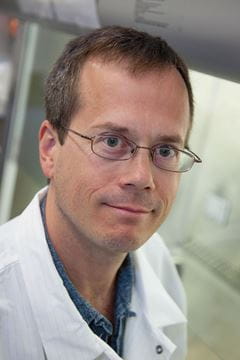
Philippe F. Backeljauw, MD
has been involved in growth disorders-related clinical research for the last 15 to 20 years. He has been involved in the long term studies evaluating the efficacy and safety of a novel growth promoting agent - therapy with recombinant human IGF-I. He has, more recently, developed research efforts related to the health issues of children and adults with Turner syndrome, as part of his activities within the Cincinnati Turner Syndrome Multidisciplinary Center.
513-636-4744
philippe.backeljauw@cchmc.org
Philippe F. Backeljauw, MD
Academic Information
Professor, UC Department of Pediatrics
Show All
Specialties
Clinical InterestsGrowth disorders; disorders of bone and calcium metabolism; Turner syndrome Research Interestsgrowth disorders; IGF-I therapy; Turner syndrome
Biography
Within the Division of Pediatric Endocrinology, Dr. Backeljauw's clinical emphasis relates to children with growth problems and disorders of calcium and bone metabolism. He is also the Medical Director of the Turner Syndrome Multidisciplinary Center of Cincinnati. From a research perspective, Dr. Backeljauw is engaged in clinical research related to growth disorders. Ongoing studies focus on IGF-I therapy in GH resistance syndromes, as well as assessment and treatment of Turner syndrome co-morbidities. He is a collaborator in several other studies, including one on the prevalence of endocrinopathies after head injury and after cancer therapy. His research efforts have resulted in more than 70 publications, including peer-reviewed original manuscripts, abstracts, and textbook chapters.
Education and Training
MD: University of Ghent, Belgium.
Residency: Pediatric and Adolescent Medicine, Cleveland Clinic Foundation Children's Hospital, Cleveland, OH.
Fellowship: Pediatric Endocrinology, University of North Carolina, Chapel Hill, NC.
Certification: Pediatrics, 1992; recertified, 1999. Pediatric Endocrinology, 1995; recertified, 2003.
|
Nancy A. Crimmins, MD
is interested in genetic and environmental factors of early-onset obesity as well as timing of co-morbidities in toddlers and preschoolers with extreme obesity. She is also interested in the predictors of fatty liver disease in patients with obesity and type 2 diabetes. Dr. Crimmins is the local PI of TrialNet, a natural history study which focuses on the development of type 1 diabetes.
513-636-4744
nancy.crimmins@cchmc.org
Nancy A. Crimmins, MD
Academic Information
Assistant Professor, UC Department of Pediatrics
Show All
Specialties
Clinical InterestsDiabetes; obesity Research InterestsObesity: etiology and treatment; maturity onset diabetes of the young; epidemiology of glucose intolerance and diabetes
Education and Training
MD: Indiana University School of Medicine, 2000. Residency: Pediatrics, Cincinnati Children's Hospital Medical Center, 2003. Fellowship: Pediatric Endocrinology, Cincinnati Children's Hospital Medical Center, 2006.
Publications
View PubMed Publications
Sung V, Beebe DW, Vandyke R, Fenchel MC, Crimmins NA, Kirk S, Hiscock H, Amin R, Wake M. Does sleep duration predict metabolic risk in obese adolescents attending tertiary services? A cross-sectional study. Sleep. 2011 Jul 1;34(7):891-8.
Guilfoyle SM, Crimmins NA, Hood KK. Blood glucose monitoring and glycemic control in adolescents with type 1 diabetes: meter downloads versus self-report. Pediatr Diabetes. 2011 Mar 11. Epub ahead of print. Sabin MA, Clemens SL, Saffery R, McCallum Z, Campbell MW, Kiess W, Crimmins NA, Woo JG, Leong GM, Werther GA, Ukoumunne OC, Wake MA. New directions in childhood obesity research: how a comprehensive biorepository will allow better prediction of outcomes. BMC Med Res Methodol. 2010 Oct 22;10:100.
Kenny AP, Crimmins NA, Mackay DJ, Hopkin RJ, Bove KE, Leonis MA. Concurrent course of transient neonatal diabetes with cholestasis and paucity of interlobular bile ducts: a case report. Pediatr Dev Pathol. 2009 Sep-Oct;12(5):417-20.
Crimmins NA, Dolan LM, Martin LJ, Bean JA, Daniels SR, Lawson ML, Goodman E, Woo JG. Stability of adolescent body mass index during three years of follow-up. J Pediatr. 2007 Oct;151(4):383-7.
Crimmins NA, Martin LJ. Polymorphisms in adiponectin receptor genes ADIPOR1 and ADIPOR2 and insulin resistance. Obes Rev. 2007 Sep;8(5):419-23.
|
Deborah A. Elder, MD
is working to define the natural history of b-cell function in adolescents with T2DM a longitudinal assessment of the earliest insulin secretion (first phase insulin response) to intravenous glucose and the insulin response to intravenous arginine. Dr. Elder's current research will focus with children and adolescents with cystic fibrosis. Specifically, she will address their endocrinologic needs including diabetes, osteopenia, growth and puberty.
513-636-4744
deborah.elder@cchmc.org
Deborah A. Elder, MD
Academic Information
Assistant Professor, UC Department of Pediatrics
Show All
Specialties
Clinical InterestsDiabetes; growth disorders; precocious puberty; calcium disorders Research Interests Researching type 2 diabetes in adolescents; intensified insulin therapy
Education and Training
BS: Michigan State University, 1991.
MD: University of Kentucky College of Medicine, Lexington, KY, 1995.
Residency: Indiana University Riley Hospital For Children, Indianapolis, IN, 1998.
Fellowship: University of North Carolina at Chapel Hill, Chapel Hill, NC, 2001.
Certification: Pediatric Endocrinology
Publications
View PubMed Publications
Elder DA, Woo JG, D'Alessio DA. Impaired beta-cell sensitivity to glucose and maximal insulin secretory capacity in adolescents with type 2 diabetes. Pediatr Diabetes. 2010 Aug;11(5):314-21.
Elder DA, D'Alessio DA, Eyal O, Mueller R, Smith FO, Kansra AR, Rose SR. Abnormalities in glucose tolerance are common in children with fanconi anemia and associated with impaired insulin secretion. Pediatr Blood Cancer. 2008 Aug;51(2):256-60.
Elder DA, Wooldridge JL, Dolan LM, D'Alessio DA. Glucose tolerance, insulin secretion, and insulin sensitivity in children and adolescents with cystic fibrosis and no prior history of diabetes. J Pediatr. 2007 Dec;151(6):653-8.
Eyal O, Naffaa LN, Elder DA. A case of macroprolactinoma and elevated insulin-like growth factor-I in a young boy. Acta Paediatr. 2005 Dec;94(12):1852-4.
Elder DA, Prigeon RL, Wadwa RP, Dolan LM, D'Alessio DA. Beta-cell function, insulin sensitivity, and glucose tolerance in obese diabetic and nondiabetic adolescents and young adults. J Clin Endocrinol Metab. 2006 Jan;91(1):185-91.
Elder DA, Roper MG, Henderson RC, Davenport ML. Kyphosis in a Turner syndrome population. Pediatrics. 2002 Jun;109(6):e93.
|
Bethany D. Freedman, MD, PhD
Bethany Freedman, MD, PhD, is a clinical endocrinologist who has recently joined CCHMC to pursue translational and clinical research projects in the areas of adrenal disease and obesity. She plans to use her significant basic science experience to develop new research programs that directly enhance patient care.
513-636-4744
bethany.freedman@cchmc.org
Bethany D. Freedman, MD, PhD
Academic Information
Assistant Professor, UC Department of Pediatrics
Show All
Education and Training
PhD: Northwestern University Feinberg School of Medicine, Chicago, IL, 2004. MD: Northwestern University Feinberg School of Medicine, Chicago, IL, 2006. Residency: Pediatrics, Childrens Hospital of Pittsburgh of UPMC, Pittsburgh, PA. Fellowship: Endocrinology, Boston Children’s Hospital, Boston, MA. Certification: Pediatrics, 2009.
|
Iris Gutmark-Little, MD
My current research is an interdisciplinary project along with engineering, radiology, cardiology, and pulmonology. The first involves a study of the TS airway, imaged using MRI, then virtually reconstructed, and analyzed to measure air flow features. The overall aim is to assess the cause of airway disease and specific treatments for this poorly described problem in the TS patient group. Similarly, a second project is ongoing and involves modeling aortic blood flow properties from TS patients who have undergone MRI for clinical purposes. The overall aim of this project is to elucidate the cause and progression of aortic disease in TS women.
513-636-4744
iris.little@cchmc.org
Iris Gutmark-Little, MD
Academic Information
Assistant Professor, UC Department of Pediatrics
Show All
Specialties
Turner syndrome; growth disorders; thyroid disorders; pubertal disorders; general pediatric endocrinology
Biography
Iris Gutmark-Little, MD, is board-certified in Pediatrics and board-eligible in Pediatric Endocrinology. She has been on the faculty of Cincinnati Children's Hospital Medical Center in the Department of Pediatrics for the University of Cincinnati College of Medicine since 2010.
Dr. Gutmark-Little is an assistant professor of pediatrics in the Division of Endocrinology. Her research focuses on the airway and great vessel anatomy and diseases in the Turner syndrome population.
Dr. Gutmark-Little received her bachelor's of science in microbiology and chemistry from Louisiana State University. She received her doctor of medicine degree from the Johns Hopkins University School of Medicine.
Dr. Gutmark-Little completed her pediatric internship and residency at Cincinnati Children’s Hospital Medical Center. She obtained fellowship training in Pediatric Endocrinology at Cincinnati Children’s Hospital Medical Center.
Education and Training
BS: Louisiana State University, Baton Rouge, Louisiana 2000.
MD: Johns Hopkins University School of Medicine, Baltimore, Maryland 2004.
Residency: Pediatrics, Cincinnati Children's Hospital Medical Center, Cincinnati, Ohio 2007. Fellowship: Pediatric Endocrinology, Cincinnati Children's Hospital Medical Center, Cincinnati, Ohio 2010. Certification: General Pediatrics, American Board of Pediatrics, 2008; Pediatric Endocrinology, American Board of Pediatrics, pending 2011.
Publications
Kim HK, Gottliebson W, Hor K, Backeljauw P, Gutmark-Little I, Salisbury SR, Racadio JM, Helton-Skally K, Fleck R. Cardiovascular anomalies in Turner syndrome: spectrum, prevalence, and cardiac MRI findings in a pediatric and young adult population. AJR Am J Roentgenol. 2011 Feb;196(2):454-60.
Halsted MJ, Guluzian JK, Little IG, Perry LA, Perry D, Benton C. Development of a new instructional tool to increase the diagnostic accuracy of radiology residents interpreting emergency pediatric neuroradiology studies. J Am Coll Radiol. 2006 Nov;3(11):893-4.
Halsted MJ, Guluzian JK, Perry LA, Little IG, Benton C. What is normal? A clinically useful reference collection of pediatric radiology cases created within a PACS. J Am Coll Radiol. 2005 Feb;2(2):189-92.
|
Stuart Handwerger, MD
focuses on the transcriptional regulation of human placental development. He examines the molecular mechanisms involved in the induction of the transcription factor AP-2alpha during the differentiation of villous cytotrophoblast cells from normal and pathologic placentas. His recent lab studies indicate that AP-alpha is a critical component of the transcription network controlling normal placental development. Visit the Handwerger Lab.
513-636-4209
stuart.handwerger@cchmc.org
Stuart Handwerger, MD
Academic Information
Professor, UC Department of Pediatrics
Professor, Professor of Cancer and Cell Biology
Show All
Specialties
Education and Training
MD: University of Maryland School of Medicine, Baltimore, MD, 1964.
Residency: Mt. Sinai Hospital, New York, NY, 1965 to 1966.
Fellowship: Harvard Medical School, Children's Hospital Medical Center, Boston, MA, 1968 to 1969.
Certification: Diplomate, American Board of Pediatrics, 1969; Subspecialty Boards, Pediatric Endocrinology, 1978.
Publications
View PubMed Publications
Sherafat-Kazemzadeh R, Schroeder JK, Kessler CA, Handwerger S. Parathyroid Hormone-Like Hormone (PTHLH) Represses Decidualization of Human Uterine Fibroblast Cells by an Autocrine/Paracrine Mechanism. J Clin Endocrinol Metab. 2011 Feb;96(2):509-14. Hubert MA, Sherritt SL, Bachurski CJ, Handwerger S. Involvement of transcription factor NR2F2 in human trophoblast differentiation. PLoS One. 2010 Feb 25;5(2):e9417. Handwerger S. New insights into the regulation of human cytotrophoblast cell differentiation. Mol Cell Endocrinol. 2010 Jul 8;323(1):94-104. Kessler CA, Bachurski CJ, Schroeder J, Stanek J, Handwerger S. TEAD1 inhibits prolactin gene expression in cultured human uterine decidual cells. Mol Cell Endocrinol. 2008 Nov 25;295(1-2):32-8. Repaske DR, Handwerger S. Making the transition from pediatric to adult endocrinology services. Nat Clin Pract Endocrinol Metab. 2008 Sep;4(9):492-3. Robins JC, Heizer A, Hardiman A, Hubert M, Handwerger S. Oxygen tension directs the differentiation pathway of human cytotrophoblast cells. Placenta. 2007 Nov-Dec;28(11-12):1141-6. Eyal O, Jomain JB, Kessler C, Goffin V, Handwerger S. Autocrine prolactin inhibits human uterine decidualization: a novel role for prolactin. Biol Reprod. 2007 May;76(5):777-83. Lomenick JP, Hubert MA, Handwerger S. Transcription factor FOXF1 regulates growth hormone variant gene expression. Am J Physiol Endocrinol Metab. 2006 Nov;291(5):E947-51. Grinius L, Kessler C, Schroeder J, Handwerger S. Forkhead transcription factor FOXO1A is critical for induction of human decidualization. J Endocrinol. 2006 Apr;189(1):179-87. Kessler CA, Schroeder JK, Brar AK, Handwerger S. Transcription factor ETS1 is critical for human uterine decidualization. Mol Hum Reprod. 2006 Feb;12(2):71-6.
|
Jonathan C. Howell, MD, PhD
is a clinical endocrinologist who also conducts basic science research in the lab of Dr. James Wells where he investigates the developmental biology of enteroendocrine cells in the intestine. His research is aimed at understanding the mechanisms that control the development and function of hormone producing cells in the human gut, which are sometimes altered in diabetes, through the study of intestinal tissue derived from human stem cells.
513-636-4744
jonathan.howell@cchmc.org
Jonathan C. Howell, MD, PhD
Academic Information
Assistant Professor, UC Department of Pediatrics
Show All
Specialties
Type 1 and Type 2 diabetes mellitus; endocrinopathy in bone marrow failure syndromes; growth disorders; thyroid disorders Visit the Howell Lab.
Biography
Jonathan C. Howell, MD, PhD, is board certified in Pediatrics and board eligible in Pediatric Endocrinology. He has been on the faculty of Cincinnati Children’s Hospital Medical Center in the Department of Pediatrics for the University of Cincinnati College of Medicine since 2012. Dr. Howell is an assistant professor of pediatrics in the Division of Endocrinology. His main clinical focus is diabetes as well as providing care for patients with endocrine disorders, including growth, thyroid, pituitary, pubertal, and adrenal dysfunction. In 2012, he was awarded a William Cooper Procter Scholarship to support his academic career development. Dr. Howell’s research focuses on the mechanisms that control hormone cell development and function in human intestine and how it relates to diabetes and cystic fibrosis. Dr. Howell received his bachelor of arts degree from Hanover College. He received his PhD from Indiana University and his MD from Indiana University School of Medicine. Dr. Howell completed his pediatric internship and residency at Cincinnati Children’s Hospital Medical Center, where he also served as chief resident. He also obtained his fellowship training from Cincinnati Children’s.
Education and Training
BA:Hanover College, Hanover, IN, 1997. PhD: Indiana University (Edward F. Srour, thesis adviser), Indianapolis, IN, 2003. MD: Indiana University School of Medicine, Indianapolis, IN, 2005. Residency: Cincinnati Children’s Hospital Medical Center, Cincinnati, OH, 2005-2008. Chief Residency: Cincinnati Children’s Hospital Medical Center, Cincinnati, OH, 2008-2009. Endocrinology Fellowship: Cincinnati Children’s Hospital Medical Center, Cincinnati, OH, 2009-2012 Certification: Pediatrics, 2008.
Publications
McCracken, Kyle, Jonathan C. Howell, James M. Wells, Jason R. Spence. Generating human intestinal tissue from pluripotent stem cells in vitro. Nature Protocols. 2011. 6(12): 1920-1928. Howell, Jonathan C, James M. Wells. Generating intestinal tissue from stem cells: potential for research and therapy. Regenerative Medicine. 2011. 6(6): 743-755. Howell, Jonathan C., Mandi Cafasso, Philippe F. Backeljauw. Superior mesenteric artery syndrome as a presentation of Graves’ disease in adolescence. EndoTrends. 2011 17(3): 1-3. Case, Jamie, Tamara L. Horvath, Jonathan C. Howell, Mervin C. Yoder and Edward F. Srour. Clonal multilineage differentiation of murine common pluripotent stem cells isolated from both skeletal muscle and adipose stromal cells. Annals of the New York Academy of Sciences 2004. 1044: 1-18. Howell, Jonathan C., Wei-Hua Lee, Paul Morrison, Jin Zhong, Mervin C. Yoder, and Edward F. Srour. Pluripotent stem cells identified in multiple murine tissues. Annals of the New York Academy of Sciences 2003. 996: 158-173. Howell, Jonathan C., Mervin C. Yoder. Adult Stem Cell Plasticity Defined. NeoReviews. 2003. 4(7): 181-186. Royer, Cassandra L., Jonathan C. Howell, Paul R. Morrison, Edward F. Srour, Mervin C. Yoder. Muscle-derived CD45+Sca-1+c-kit- progenitor cells give rise to skeletal muscle myotubes in vitro. In Vitro Cellular and Developmental Biology -- Animal 2003. 38(9): 512-517. Howell, Jonathan C., Mervin C. Yoder, Edward F. Srour. Hematopoietic potential of murine skeletal muscle-derived CD45-Sca-1+c-kit- cells. Experimental Hematology 2002. 30(8): 915-924.
|
Jonathan D. Katz, PhD
is working to understand the role that autoreactive T lymphocytes play in the Immunopathogenesis of type 1 diabetes, the most common pediatric autoimmune disease. Major focuses include defining: (a) the control of autoreactive T cells via central and peripheral tolerance; (b) the role NKT cells play in regulating autoreactive T cells; and (c) the role dendritic cells play in activating and regulating autoreactive T cells in type 1 diabetes.
513-636-5306
jonathan.katz@cchmc.org
Jonathan D. Katz, PhD
Academic Information
Professor, UC Department of Pediatrics
Show All
Specialties
Clinical InterestsT cells; MHC, beta cell death; islet antigens Research InterestsImmunology, autoimmunity, type 1 diabetes
Biography
Jonathan D. Katz, PhD, focuses on autoimmune diabetes research. Autoimmune diabetes, also known as type 1 diabetes (T1D), is the most common pediatric autoimmune disease. Roughly 1/250 individuals develop T1D in the United States.There is currently no cure for T1D and the only treatment is daily exogenous insulin replacement therapy. Many T1D patients eventually develop secondary complications, such as hearth disease, blindness, peripheral neuropathy and renal failure. Dr. Katz's work focuses on the role that autoreactive T lymphocytes play in the disease process. His lab interested in (1) the control of autoreactive T cells via central and peripheral tolerance, (2) the role NKT cells play in regulating autoreactive T cells, and (3) the role dendritic cells play in activating and regulating autoreactive T cells in T1D. Most of his work uses the non-obese diabetic (NOD) mouse strain that spontaneously develops T1D with remarkable similar to the T1D seen in human patients. The availability of the NOD strain has allowed us to take a modern, reductionist molecular and cellular immunology approach to understanding the mechanism(s) and genetics underlying T1D susceptibility and disease progression. His lab makes extensive use of knockout, transgenic, regulated gene expression, targeted ablation, cell transfer and genomic studies the progression and regulation of T1D in the NOD mouse.
Education and Training
BS: University of California, Los Angeles, Calif., 1984.
PhD: University of California, Los Angeles, Calif., 1990.
Post-Doctoral Fellow: Université Louis Pasteur, Strasbourg, France, 1990-1995.
Publications
View PubMed Publications
Katz JD, Ondr JK, Opoka RJ, Garcia Z, Janssen EM. Cutting edge: merocytic dendritic cells break T cell tolerance to beta cell antigens in nonobese diabetic mouse diabetes. J Immunol. 2010 Aug 15;185(4):1999-2003. Pang S, Zhang L, Wang H, Yi Z, Li L, Gao L, Zhao J, Tisch R, Katz JD, Wang B. CD8(+) T cells specific for beta cells encounter their cognate antigens in the islets of NOD mice. Eur J Immunol. 2009 Oct;39(10):2716-24. Saxena V, Ondr JK, Magnusen AF, Munn DH, Katz JD. The countervailing actions of myeloid and plasmacytoid dendritic cells control autoimmune diabetes in the nonobese diabetic mouse. J Immunol. 2007 Oct 15;179(8):5041-53. Wojciechowski S, Tripathi P, Bourdeau T, Acero L, Grimes HL, Katz JD, Finkelman FD, Hildeman DA. Bim/Bcl-2 balance is critical for maintaining naive and memory T cell homeostasis. J Exp Med. 2007 Jul 9;204(7):1665-75. Cain JA, Smith JA, Ondr JK, Wang B, Katz JD. NKT cells and IFN-gamma establish the regulatory environment for the control of diabetogenic T cells in the nonobese diabetic mouse. J Immunol. 2006 Feb 1;176(3):1645-54. Vukkadapu SS, Belli JM, Ishii K, Jegga AG, Hutton JJ, Aronow BJ, Katz JD. Dynamic interaction between T cell-mediated beta-cell damage and beta-cell repair in the run up to autoimmune diabetes of the NOD mouse. Physiol Genomics. 2005 Apr 14;21(2):201-11. Hutton JJ, Jegga AG, Kong S, Gupta A, Ebert C, Williams S, Katz JD, Aronow BJ. Microarray and comparative genomics-based identification of genes and gene regulatory regions of the mouse immune system. BMC Genomics. 2004 Oct 25;5(1):82.
|
David J. Klein, MD, PhD
has had 30 years of research experience in the areas of diabetes and obesity. His bench research began with explorations of the role of extracellular matrix changes in diabetic kidney disease. During that time he began to perform clinical research by participating in the Diabetes Complications and Control Trial and Trialnet, national trials. His work now includes local and international projects in community obesity prevention and trials of new agents to treat diabetes in children (Liraglutide and Insulin Degludec). His current research focus is the dramatic weight gain that accompanies the use of second-generation antipsychotics (SGAs) in children and adolescents with mental illness. He and his collaborators have developed a database that is employed to determine risk factors for weight gain on SGAs and to validate treatment guidelines for its evaluation and management with metformin, the use of which he helped pioneer for this indication. His plans include the design of novel predictors and treatments of SGA induced weight gain.
513-636-4744
david.klein@cchmc.org
David J. Klein, MD, PhD
Academic Information
Associate Professor, UC Department of Pediatrics
Show All
Specialties
Diabetes mellitus: intensive insulin management and pathophysiology of diabetes complications; obesity prevention and treatment; disorders of growth and development, with special focus on the use of growth hormone for the treatment of short stature associated with inflammatory bowel disease; early detection of renal disease in children with diabetes mellitus; effects of diabetes mellitus on renal proteoglycan synthesis
Education and Training
BS: Beloit College, Beloit, WI, 1974.
MD: Albert Einstein College of Medicine of Yeshiva University, Bronx, NY, 1977.
PhD: University of Minnesota, 1985.
Residency: University of Minnesota, Minneapolis, MN, 1980.
Fellowship: University of Minnesota, Minneapolis, MN, 1984.
Certification: Pediatrics, 1982; Pediatric Endocrinology,1997; recertified 2004.
Publications
View PubMed Publications
Denson LA, Kim MO, Bezold R, Carey R, Osuntokun B, Nylund C, Willson T, Bonkowski E, Li D, Ballard E, Collins M, Moyer MS, Klein DJ. A randomized controlled trial of growth hormone in active pediatric Crohn disease. J Pediatr Gastroenterol Nutr. 2010 Aug;51(2):130-9. Klein DJ, Cottingham EM, Sorter M, Barton BA, Morrison JA. A randomized, double-blind, placebo-controlled trial of metformin treatment of weight gain associated with initiation of atypical antipsychotic therapy in children and adolescents. Am J Psychiatry. 2006 Dec;163(12):2072-9. Morrison JA, Friedman LA, Harlan WR, Harlan LC, Barton BA, Schreiber GB, Klein DJ. Development of the metabolic syndrome in black and white adolescent girls: a longitudinal assessment. Pediatrics. 2005 Nov;116(5):1178-82. Klein DJ, Aronson Friedman L, Harlan WR, Barton BA, Schreiber GB, Cohen RM, Harlan LC, Morrison JA. Obesity and the development of insulin resistance and impaired fasting glucose in black and white adolescent girls: a longitudinal study. Diabetes Care. 2004 Feb;27(2):378-83. Klein DJ, Cohen RM, Rymaszewski. Proteoglycan synthesis by bovine myocardial endothelial cells is increased by long-term exposure to high concentrations of glucose. J Cell Physiol. 1995 Dec;165(3):493-502. Brar AK, Frank GR, Richards RG, Meyer AJ, Kessler CA, Cedars MI, Klein DJ, Handwerger S. Proteoglycan synthesis by bovine myocardial endothelial cells is increased by long-term exposure to high concentrations of glucose. J Cell Physiol. 1995 Apr;163(1):30-7. Smith EP, Lu L, Chernausek SD, Klein DJ. Insulin-like growth factor-binding protein-3 (IGFBP-3) concentration in rat Sertoli cell-conditioned medium is regulated by a pathway involving association of IGFBP-3 with cell surface proteoglycans. Endocrinology. 1994 Jul;135(1):359-64.
|
Sarah Lawson, MD
The progression of heart disease in the Turner Syndrome population, assessing the endocrine needs in children who have received cranial radiation for oncology treatments, and genetics associated with septo-optic dysplasia.
513-636-4744
sarah.lawson@cchmc.org
Sarah Lawson, MD
Academic Information
Assistant Professor, UC Department of Pediatrics
Show All
Specialties
Turner syndrome; endocrine disease related to oncologic pathology and treatment; septo-optic dysplasia.
Biography
Sarah Lawson, MD, is an assistant professor of pediatrics in the Division of Endocrinology. Her research has focused on identifying vascular changes, through non-invasive techniques, in the young Turner Syndrome population. This has been possible through the collaboration of Pediatric Endocrinology and Pediatric Cardiology.
Dr. Lawson completed her undergraduate studies in biochemistry and biology with a minor in bible studies from Lee University, and received her MD from the University of Kentucky. After completion of her pediatric residency at the University of Kentucky, Dr. Lawson began her fellowship in pediatric endocrinology at Cincinnati Children’s Hospital Medical Center.
Dr. Lawson’s clinical interests are in the areas of Turner syndrome, endocrine disease related to oncologic pathology and treatment, and septo-optic dysplasia.
Education and Training
BS: Lee University, Cleveland, TN, 2000. MD: University of Kentucky, Lexington, KY, 2005. Residency: Kentucky Children’s Hospital, Lexington, KY, 2005-2008. Fellowship: Cincinnati Children’s Hospital, Cincinnati, OH.
|
Takahisa Nakamura, PhD
Research goal is to address questions concerning why and how inflammatory responses are initiated, coordinated, and thus involved in the development of obesity-induced metabolic diseases.
513-636-4744
takahisa.nakamura@cchmc.org
Takahisa Nakamura, PhD
Academic Information
Assistant Professor, UC Department of Pediatrics
Show All
Specialties
RNA-related inflammation in obesity and metabolic diseases
Biography
Dr. Nakamura received his PhD from the University of Tokyo in 2003. He completed postdoctoral training in the laboratory of Dr. Gökhan S. Hotamisligil at Harvard School of Public Health in 2013, followed by his faculty appointment at Cincinnati Children's Hospital in 2013.
Education and Training
PhD: University of Tokyo, 2003. Postdoctoral Fellow: University of Tokyo, 2006. Research Fellow: Harvard University, Cambridge, MA, 2010. Research Associate: Harvard University, Cambridge, MA, 2013.
Publications
View PubMed Publications
Lu B, Nakamura T, Inouye K, Li J, Tang Y, Lundbäck P, Valdes-Ferrer SI, Olofsson PS, Kalb T, Roth J, Zou Y, Erlandsson-Harris H, Yang H, Ting JP, Wang H, Andersson U, Antoine DJ, Chavan SS, Hotamisligil GS, Tracey KJ. Novel role of PKR in inflammasome activation and HMGB1 release. Nature. 2012 Aug 20;488(7413):670-4.
Morita M. Oike Y, Nagashima T, Kadomatsu T, Tabata M, Suzuki T, Nakamura T, Yoshida N, Okada M, Yamamoto T. Obesity resistance and increased hepatic expression of catabolism-related mRNAs in Cnot3(+/-) mice. EMBO J. 2011 Sep 6;30(22):4678-4691.
Nakamura T, Furuhashi M, Li P, Cao H, Tuncman G, Sonenberg N, Gorgun CZ, Hotamisligil GS. Double-stranded RNA-dependent Protein Kinase Links Pathogen Sensing with Stress and Metabolic Homeostasis. Cell. 2010 Feb 5;140(3):338-48.
Yoneda M, Suzuki T, Nakamura T, Ajima R, Yoshida Y, Kakuta S, Sudo K, Iwakura Y, Shibutani M, Mitsumori K, Yokota J, Yamamoto T. Deficiency of antiproliferative family protein Ana correlates with development of lung adenocarcinoma. Cancer Sci. 2009 Feb;100(2):224-232.
Ajima R, Akiyama T, Usui M, Yoneda M, Yoshida Y, Nakamura T, Minowa O, Noda M, Tanaka S, Noda T, Yamamoto T. Osteoporotic bone formation in mice lacking tob2; involvement of Tob2 in RANK ligand expression and osteoclasts differentiation. FEBS Lett. 2008 Apr 16;582(9):1313-8.
Morita M, Suzuki T, Nakamura T, Yokoyama K, Miyasaka T, Yamamoto T. Depletion of mammalian CCR4b deadenylase triggers elevation of the p27Kip1 mRNA level and impairs cell growth. Mol Cell Biol. 2007 Jul;27(13):4980-90.
Washio-Oikawa K, Nakamura T, Usui M, Yoneda M, Ezura Y, Ishikawa I, Nakashima K, Noda T, Yamamoto T, Noda M. Cnot7-null mice exhibit high bone mass phenotype and modulation of BMP actions. J Bone Miner Res. 2007 Aug;22(8):1217-23.
Nakamura T, Yao R, Ogawa T, Suzuki T, Ito C, Tsunekawa N, Inoue K, Ajima R, Miyasaka T, Yoshida Y, Ogura A, Toshimori K, Noce T, Yamamoto T, Noda T. Oligoasthenoteratozoospermia in mice lacking Cnot7, a regulator of retinoid X receptor beta. Nat Genet. 2004 May;36(5):528-33.
Kimura H*, Nakamura T*, Ogawa T, Tanaka S, Shiota K. Transcription of mouse DNA methyltransferase 1 (Dnmt1) is regulated by both E2F-Rb-HDAC-dependent and -independent pathways. Nucleic Acids Res. 2003 Jun 15;31(12):3101-13. *These authors contributed equally to this work.
Yoshida Y*, Nakamura T*, Komoda M, Satoh H, Suzuki T, Tsuzuku JK, Miyasaka T, Yoshida EH, Umemori H, Kunisaki RK, Tani K, Ishii S, Mori S, Suganuma M, Noda T, Yamamoto T. Mice lacking a transcriptional corepressor Tob are predisposed to cancer. Genes Dev. 2003 May 15;17(10):1201-6. *These authors contributed equally to this work.
Grants
Functional analysis of PKR, JNK, and RISC in metabolic inflammation and homeostasis. Principal Investigator. American Heart Association, Scientist Development Grant. Jan 2012 – Dec 2014.
Analysis of pathogenic double-stranded RNA in chronic inflammatory diseases. Principal Investigator. Japan Science and Technology Agency, PRESTO. Feb 2013 – Mar 2016.
|
Susan R. Rose, MD
is evaluating the endocrine conditions associated with congenital bone marrow failure syndromes such as Fanconi anemia, Blackfan Diamond anemia, and Shwachman Diamond syndrome. In addition, she is evaluating the endocrine consequences of hypothalamic-pituitary injury, including traumatic brain injury and injury from treatments for cancer, as well as comparing the relative efficacy of several treatments for precocious puberty.
513-636-4744
susan.rose@cchmc.org
Susan R. Rose, MD
Academic Information
Professor, UC Department of Pediatrics
Show All
Specialties
Hypothalamic pituitary function; thyroid; disorders of growth or puberty; endocrine function in cancer survivors after head injury
Education and Training
MD: Case Western Reserve School of Medicine, 1980. MEd: School Psychology, University of Dayton, 1972. Residency: The Cleveland Clinic, 1983. Fellowship: National Institutes of Health, 1986. Certification: Pediatrics, 1985; Pediatric Endocrinology, 1986.
Publications
View PubMed Publications
Slaughter JL, Meinzen-Derr J, Rose SR, Leslie ND, Chandrasekar R, Linard SM, Akinbi HT. The effects of gestational age and birth weight on false-positive newborn-screening rates. Pediatrics. 2010 Nov;126(5):910-6. Kaulfers AM, Backeljauw PF, Reifschneider K, Blum S, Michaud L, Weiss M, Rose SR. Endocrine dysfunction following traumatic brain injury in children. J Pediatr. 2010 Dec;157(6):894-9. Rose SR. Improved diagnosis of mild hypothyroidism using time-of-day normal ranges for thyrotropin. J Pediatr. 2010 Oct;157(4):662-7; 667.e1. van der Kaay DC, de Jong FH, Rose SR, Odink RJ, Bakker-van Waarde WM, Sulkers EJ, Hokken-Koelega AC. Overnight levels of luteinizing hormone, follicle-stimulating hormone and growth hormone before and during gonadotropin-releasing hormone analogue treatment in short boys born small for gestational age. Horm Res. 2009;71(5):260-7.
van der Kaay DC, Rose SR, van Dijk M, Noordam C, van Rheenen E, Hokken-Koelega AC. Reduced levels of GH during GnRH analogue treatment in pubertal short girls born small for gestational age (SGA). Clin Endocrinol (Oxf). 2009 Jun;70(6):914-9. Dorn LD, Rose SR, Rotenstein D, Susman EJ, Huang B, Loucks TL, Berga SL. Differences in endocrine parameters and psychopathology in girls with premature adrenarche versus on-time adrenarche. J Pediatr Endocrinol Metab. 2008 May;21(5):439-48. Eyal O, Blum S, Mueller R, Smith FO, Rose SR. Improved growth velocity during thyroid hormone therapy in children with Fanconi anemia and borderline thyroid function. Pediatr Blood Cancer. 2008 Nov;51(5):652-6. Rose SR. Use of GnRH agonists in GH-deficient patients: arguments for and against. The case against GnRH agonists in GH-deficient patients. Pediatr Endocrinol Rev. 2008 Feb;5 Suppl 2:744, 750-4. Elder DA, D'Alessio DA, Eyal O, Mueller R, Smith FO, Kansra AR, Rose SR. Abnormalities in glucose tolerance are common in children with fanconi anemia and associated with impaired insulin secretion. Pediatr Blood Cancer. 2008 Aug;51(2):256-60. Kazlauskaite R, Evans AT, Villabona CV, Abdu TA, Ambrosi B, Atkinson AB, Choi CH, Clayton RN, Courtney CH, Gonc EN, Maghnie M, Rose SR, Soule SG, Tordjman K; Consortium for Evaluation of Corticotropin Test in Hypothalamic-Pituitary Adrenal Insufficiency. Corticotropin tests for hypothalamic-pituitary- adrenal insufficiency: a metaanalysis. J Clin Endocrinol Metab. 2008 Nov;93(11):4245-53.
Grants
Hypopituitarism in survivors of traumatic brain injury. Primary Investigator. Pfizer Global Pharmaceuticals. 2008 - 2012.
|
Meilan M. Rutter, MD, FRACP
is a member of several multidisciplinary clinical teams, including the Neuromuscular Comprehensive Care Center and the Center for Disorders of Sex Development (DSD). Related research interests involve endocrine issues in Duchenne muscular dystrophy, currently focusing on a trial of insulin-like growth factor-I (IGF-I) therapy in this population, and participation in a multicenter trial of parental attitudes from having a child with a DSD.
513-636-4744
meilan.rutter@cchmc.org
Meilan M. Rutter, MD, FRACP
Academic Information
Assistant Professor, UC Department of Pediatrics
Show All
Specialties
Clinical InterestsBone health and calcium metabolism; disorders of growth, puberty and sex development; endocrine function in cancer survivors; endocrine function in neuromuscular disorders Research InterestsInsulin-like growth factor-1 (IGF-1) therapy in Duchenne Muscular Dystrophy
Biography
Meilan Rutter is board-certified in Pediatrics and Pediatric Endocrinology. She is an Assistant Professor of Pediatrics in the Division of Endocrinology, and joined the faculty of Cincinnati Children's Hospital Medical Center in 2008. Currently, Dr. Rutter is assistant director of the Pediatric Endocrinology Fellowship Program. Dr. Rutter received her degrees of Bachelor of Medicine and Bachelor of Surgery (MB, BCh) from the University of Wales College of Medicine. She completed her training in Pediatrics in New Zealand, and was admitted to Fellowship of the Royal Australasian College of Physicians (FRACP) in 1995. She underwent fellowship training in Pediatric Endocrinology at Cincinnati Children's. She completed further pediatric residency training to achieve American Board of Pediatrics specialty and subspecialty board certification. Dr. Rutter treats children and adolescents with endocrine disorders and diabetes mellitus. She serves as a consultant for the Neuromuscular Comprehensive Care Center and the Neuro-Oncology program at Cincinnati Children's. Additionally. she is a member of the Disorders of Sex Development interdisciplinary team.
Education and Training
MB, BCh: University of Wales College of Medicine, Cardiff, United Kingdom.
FRACP: Royal Australasian College of Physicians, New Zealand.
Residency: Auckland Children's Hospital and Dunedin Hospital, New Zealand; Cincinnati Children's, Cincinnati, OH. Fellowship: Pediatric Endocrinology, Cincinnati Children's, Cincinnati, OH. Certification: General Pediatrics, American Board of Pediatrics, 2002; Pediatric Endocrinology, American Board of Pediatrics, 2003; Pediatrics, Fellowship of the Royal Australasian College of Physicians, 1995.
Publications
View PubMed Publications
Rose SR, Rutter MM, Mueller R, Harris M, Hamon B, Fletcher Bulluck A, Smith FO. Bone mineral density is normal in children with Fanconi anemia. Pediatric Blood & Cancer. 2011 Apr. Epub ahead of print. Bianchi ML, Biggar D, Bushby K, Rogol AD, Rutter MM, Tseng B. Endocrine aspects of Duchenne Muscular Dystrophy. Neuromuscular Disorders. 2011;21(4):298-303. Wong BL, Rutter MM, Rose SR, Clark E, Vonderhaar K. Growth hormone therapy in Duchenne Muscular Dystrophy. Best Evidence Statement, Cincinnati Children’s Hospital Medical Center, Cincinnati, Ohio. 2009. Rutter MM. What is an endocrinologist and why is endocrine care important for Duchenne? Action Duchenne newsletter. 2009. Murray R, Rutter MM, Racine M, Rose SR. Report on The Endocrine Society’s 90th Annual Meeting. Highlights. 2008;16(4):1-36. Rutter MM, Racine M, Rose SR. Report on The Endocrine Society’s 89th Annual Meeting. Highlights. 2007;15(3):2-30. Rutter MM, Rose SR. Long-term endocrine sequelae of childhood cancer. Curr Opin Pediatr. 2007 Aug;19(4):480-7. Rutter MM, Markoff E, Clayton L, Akeno N, Zhao G, Clemens TL, Chernausek SD. Osteoblast-specific expression of insulin-like growth factor-1 in bone of transgenic mice induces insulin-like growth factor binding protein-5. Bone. 2005 Feb;36(2):224-31. Rutter MM, Prahalad S, Passo M, Backeljauw PF. Idiopathic hypercalcemia and eosinophilic fasciitis: a novel association. J Pediatr Endocrinol Metab. 2004 Sep;17(9):1251-4. Rutter MM, Smith EP. Pseudohypoparathyroidism type Ia: late presentation with intact mental development. J Bone Miner Res. 1998 Jul;13(7):1208-9.
|
Amy Sanghavi Shah, MD, MS
is an endocrinologist who has clinical and translational research programs in lipids and cardiovascular disease. Her interests include molecular aspects of high density lipoprotein (HDL) and its protective effects on early cardiovascular disease in children and adolescents. She also uses noninvasive imaging techniques to assess the cardiovascular burden in the setting of obesity and diabetes.
513-636-4744
amy.shah@cchmc.org
Amy Sanghavi Shah, MD, MS
Academic Information
Assistant Professor, UC Department of Pediatrics
Show All
Specialties
Lipid and cholesterol disorders; endocrine disorders; type 1 and type 2 diabetes; cardiovascular disease
Biography
Amy Shah, MD, interests focus on cardiovascular risk factors and their effects on early atherosclerosis. Dr. Shah has presented her research at national meetings and has published several manuscripts in this area.
Education and Training
BA: Biology, University of Texas at Austin. MS: University of Cincinnati, Cincinnati OH.
MD: St. George's University.
Residency: Loyola University Medical Center.
Fellowship: Cincinnati Children's Hospital Medical Center.
Certification: Pediatrics, 2007.
Publications
Shah AS, Dolan LM, Gao Z, Kimball TR, Urbina EM. Racial differences in arterial stiffness among adolescents and young adults with type 2 diabetes. Pediatr Diabetes. 2011 Jul 25. Epub ahead of print.
Shah AS, Khoury PR, Dolan LM, Ippisch HM, Urbina EM, Daniels SR, Kimball TR. The effects of obesity and type 2 diabetes mellitus on cardiac structure and function in adolescents and young adults. Diabetologia. 2011 Apr;54(4):722-30.
Shah AS, Dolan LM, Gao Z, Kimball TR, Urbina EM. Clustering of risk factors: a simple method of detecting cardiovascular disease in youth. Pediatrics. 2011 Feb;127(2):e312-8. Shah AS, Dolan LM, Kimball TR, Gao Z, Khoury PR, Daniels SR, Urbina EM. Influence of duration of diabetes, glycemic control, and traditional cardiovascular risk factors on early atherosclerotic vascular changes in adolescents and young adults with type 2 diabetes mellitus. J Clin Endocrinol Metab. 2009 Oct;94(10):3740-5.
Grants
Role of High Density Lipoprotein Subspecies in Adolescents with Type 2 Diabetes. Co-Principal Investigator. University of Cincinnati. Jan 2011 - Sep 2011. DASH for Diabetes Controlled Feeding Study. Co- Principal Investigator. Clinical & Translational Research Center. Jun 2011 - Dec 2011.
|
Peggy Joyce Stenger, DO
focuses on disorders of bone and calcium metabolism. She is a certified clinical densitometrist and conducts a specialty clinic for the evaluation and treatment of children with metabolic bone disease, including patients with hypophosphatemic rickets. She seeks to improve bone health by identifying and the etiology and factors contributing to multiple fractures in children.
513-636-4744
peggy.stenger@cchmc.org
Peggy Joyce Stenger, DO
Academic Information
Assistant Professor, UC Department of Pediatrics
Show All
Specialties
Disorders of bone and calcium metabolism; disorders of thyroid, puberty, growth; disorders of pituitary and adrenal; diabetes
Biography
Peggy J. Stenger, DO, is board-certified in Pediatrics and Pediatric Endocrinology. She has been in the Division of Endocrinology at Cincinnati Children’s since 1999. Prior to that she worked in the Babies Milk Fund at Norwood through the Department of General Pediatrics, Cincinnati Children’s Hospital Medical Center.
She is an Assistant Professor of Pediatrics in the Division of Endocrinology. Her primary interest is in disorders of bone and calcium metabolism. She is a certified clinical densitometrist, especially interested in disorders of high bone mass.
Dr. Stenger received her bachelor of science in biology from the University of Texas in Arlington, Texas. She received her residency training at the University of New Mexico Children’s Hospital in Albuquerque where she also served as Chief Resident. She obtained pediatric endocrinology fellowship training at Cincinnati Children’s Hospital Medical Center in Cincinnati, Ohio.
Dr. Stenger has previously served in the Indian Health Service at Gallup Indian Medical Center, Gallup, New Mexico. Prior to coming to Cincinnati, she was on the clinical faculty in General Pediatrics at the University of New Mexico Children’s Hospital in Albuquerque. While there, she served on the New Mexico State Board of the American Diabetes Association. She was instrumental in organization of diabetes clinics at the University of New Mexico and worked in diabetes outreach clinics throughout the state.
Education and Training
BS: University of Texas, Arlington, Texas. DO: Texas College of Osteopathic Medicine, Fort Worth, Texas. Residency: Pediatrics, Children's Hospital of New Mexico, Albuquerque, NM. Fellowship: Pediatric Endocrinology, Children's Hospital Medical Center, Cincinnati, OH. CCD: International Society Clinical Densitometry. Certification: General Pediatrics, American Board of Pediatrics 1989; Pediatric Endocrinology, American Board of Pediatrics 1999; International Society Clinical Densitometry 2007.
|
James M. Wells, PhD
researches the molecular mechanisms of endoderm organogenesis in mouse and humans. The goal of this work is to identify the molecular basis of congenital defects affecting the pancreas, liver, and biliary system and to direct the differentiation of pluripotent stem cells (PSCs) into therapeutic cells for replacement therapies, such as transplantable pancreatic beta cells for patients with type-1 diabetes. Visit the Wells Lab.
513-636-8767
james.wells@cchmc.org
James M. Wells, PhD
Academic Information
Associate Professor, UC Department of Pediatrics
Show All
Specialties
identifying the molecular mechanisms involved in the development of the pancreas, liver and biliary system; replacement therapies, such as transplantable pancreatic beta cells for patients with type-1 diabetes; regeneration of adult tissues Visit the Wells Lab.
Education and Training
BS: Molecular and Cell Biology, University of Maine, Orono, ME, 1987. PhD: Genetics program, State University of New York at Stony Brook, 1995. Sidney Strickland advisor. Postdoctoral Fellow: Department of Molecular and Cellular Biology, Harvard University, Cambridge MA, 1996 - 2001. Doug Melton advisor.
Publications
View PubMed Publications
Spence JR, Mayhew CN, Rankin SA, Kuhar MF, Vallance JE, Tolle K, Hoskins EE, Kalinichenko VV, Wells SI, Zorn AM, Shroyer NF, Wells JM. Directed differentiation of human pluripotent stem cells into intestinal tissue in vitro. Nature. 2010 Dec 12.
Lin SC, Wani MA, Whitsett JA, Wells JM. Klf5 regulates lineage formation in the pre-implantation mouse embryo. Development. 2010 Dec;137(23):3953-63.
Carpenter AC, Rao S, Wells JM, Campbell K, Lang RA. Generation of mice with a conditional null allele for Wntless. Genesis. 2010 Sep;48(9):554-8.
Mayhew CN, Wells JM. Converting human pluripotent stem cells into beta-cells: recent advances and future challenges. Curr Opin Organ Transplant. 2010 Feb;15(1):54-60.
Spence JR, Lange AW, Lin SC, Kaestner KH, Lowy AM, Kim I, Whitsett JA, Wells JM. Sox17 regulates organ lineage segregation of ventral foregut progenitor cells. Dev Cell. 2009 Jul;17(1):62-74. Zorn AM, Wells JM. Vertebrate endoderm development and organ formation. Annu Rev Cell Dev Biol. 2009;25:221-51
Lange AW, Keiser AR, Wells JM, Zorn AM, Whitsett JA. Sox17 promotes cell cycle progression and inhibits TGF-beta/Smad3 signaling to initiate progenitor cell behavior in the respiratory epithelium. PLoS One. 2009 May 27;4(5):e5711.
Spence JR, Wells JM. Translational embryology: using embryonic principles to generate pancreatic endocrine cells from embryonic stem cells. Dev Dyn. 2007 Dec;236(12):3218-27.
Sinner D, Kordich JJ, Spence JR, Opoka R, Rankin S, Lin SC, Jonatan D, Zorn AM, Wells JM. Sox17 and Sox4 differentially regulate beta-catenin/T-cell factor activity and proliferation of colon carcinoma cells. Mol Cell Biol. 2007 Nov;27(22):7802-15.
Moore-Scott BA, Opoka R, Lin SC, Kordich JJ, Wells JM. Identification of molecular markers that are expressed in discrete anterior-posterior domains of the endoderm from the gastrula stage to mid-gestation. Dev Dyn. 2007 Jul;236(7):1997-2003.
Grants
iPSC-derived intestinal tissue from CF patients. Co-investigator. Cystic Fibrosis Pilot Award. Sep 2010 - Aug 2011. Digestive Disease Research Center (DDRC). Full Member. National Institutes of Health. Aug 2007 - May 2012. #P30 DK0789392. Role of Wnt signaling in foregut and liver development. Principal Investigator. National Institutes of Health. Apr 2009 - Mar 2013. #R01DK080823A1.
|
Nana-Hawa Yayah Jones, MD
Academic Information
Assistant Professor, UC Department of Pediatrics
Show All
Specialties
Clinical InterestsDiversity and cultural competence; non-adherence in the pediatric population; information technology in healthcare; medical education Research InterestsAdherence in youth with type 1 diabetes
Biography
Nana-Hawa Yayah Jones, MD, is a new clinical faculty in the division of pediatric endocrinology. Dr. Yayah Jones recently arrived in Cincinnati from St. Louis, Missouri where she completed both pediatric residency and endocrinology fellowship at Washington University's St. Louis Children's Hospital (SLCH). An additional year was spent at SLCH as a pediatric Chief resident. During all the years of Dr. Yayah Jones's training she was active in fostering diversity among the medical trainees and in fact founded the Washington University Minority Medical Association (WUMMA), a group of medical trainees whose focus was on recruitment, retention and community service. As creator and president of WUMMA she became active in the resident and fellows diversity initiative created by the Barnes Jewish Hospital Center for Diversity and Cultural Competence. She mentored undergraduate student, medical students and residents throughout her training. During fellowship she fostered a special interest in children with chronic illness who are non-adherent to their medical regimen. Dr. Yayah Jone's research efforts will be geared towards the non-adherence type 1 diabetic who is often prone to recurrent hospitalizations and diabetes complications.
Education and Training
MD: University of Louisville School of Medicine, Louisville, KY, 2002.
Residency: Pediatrics, Washington University, St. Louis Children’s Hospital, St. Louis, MO, 2005.
Chief Residency: Pediatrics, Washington University, St. Louis Children’s Hospital, St. Louis, MO, 2006.
Fellowship: Pediatrics, Washington University, St. Louis Children’s Hospital, St. Louis, MO, 2009.
|