Fighting Neurofibromatosis in the Lab
One out of every 3,000 people has neurofibromatosis type 1. The disease can be disfiguring, cause learning disorders, and lead to tumors or leukemia that can be fatal. But in spite of its frequency and seriousness, the disease has not gotten the attention it deserves until recently. “The incidence of the disease is on par with cystic fibrosis and even Parkinson’s disease, which people hear about all the time,” said Cincinnati Children’s researcher Nancy Ratner, PhD. “And yet very few people, comparatively, work on this disorder. I think that for many years, so little was known about it that there was no way to make inroads.”
But that is beginning to change. Scientists already know that the disease is caused by problems with a gene called NF1. Ratner studies how the malfunctioning of this gene leads to one of the most dangerous symptoms of the disease: the formation of tumors, called neurofibromas, in the nerve tissue. These tumors can cause lumps under the skin, neurological problems, and can press on internal organs and become fatal. Because the tumors mingle with vital nerve tissue, they are often impossible to remove.
Ratner’s lab recently discovered that the timing of the NF1 gene mutation determines whether neurofibroma tumors will form. This discovery could help lead to future treatments. In a study published in the February issue of Cancer Cell, Ratner and her colleagues reported that if the NF1 gene mutated on day 12.5 of a mouse’s embryonic development, neurofibroma tumors formed. If the gene mutated at other times during development, tumors did not form. “If you know what the timing is of the mutation, you can identify the correct progenitor cell population, pull it out, and try to identify what’s wrong with it and therefore open treatment avenues,” said Ratner.
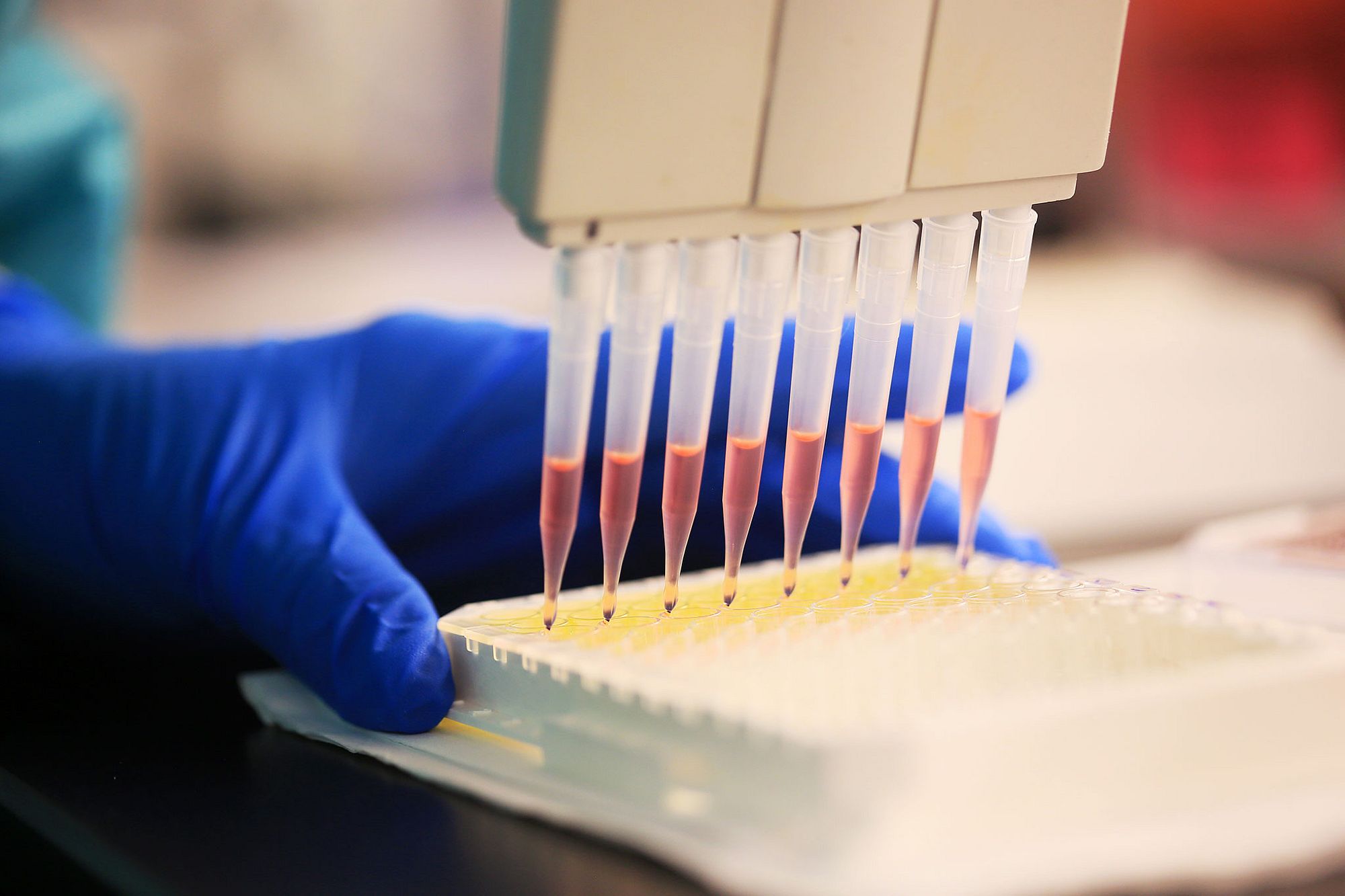
The discovery was made using the first successful neurofibromatosis 1 mouse model, a mouse that Ratner’s team genetically altered to mimic the disease that occurs in humans. She also leads an international microarray project, which is a collection of 200 samples from diseased human and mouse tumors and cells. Her team uses the samples to identify targets for new drugs that can be tested in the mouse model. “We are asking what pathways we can see that are abnormal, and then testing new drug candidates derived from those systems,” she said.
The Neurofibromatosis Center at Cincinnati Children’s recently received funding of $1 million per year from the National Institutes of Health, and another Cincinnati Children’s researcher, Timothy Cripe, MD, is currently running a pre-clinical therapeutics testing effort at the hospital funded by the Children’s Tumor Foundation. “People at Children’s–-and internationally—really pull together,” said Ratner. “Right now there is no drug to treat this disease, but we are proposing ideas that could be turned into therapeutics in the future.”