Fighting New Health Problems from Cancer Treatments
Over 80 percent of children diagnosed with cancer today will survive, but many of the life-saving methods used to treat the disease—such as radiation, surgery, and chemotherapy—may create new health problems of their own. That’s why researcher Stella M. Davies, MBBS, PhD, MRCP, at Cincinnati Children’s Hospital Medical Center, is working to understand unique health issues that affect the growing population of childhood cancer survivors, which has reached 250,000 in the United States alone. “It’s important that we study not just the immediate outcomes," said Davies, “but also the effect of treatment on the risk of later cancers, and on the function of important organs and overall health.”
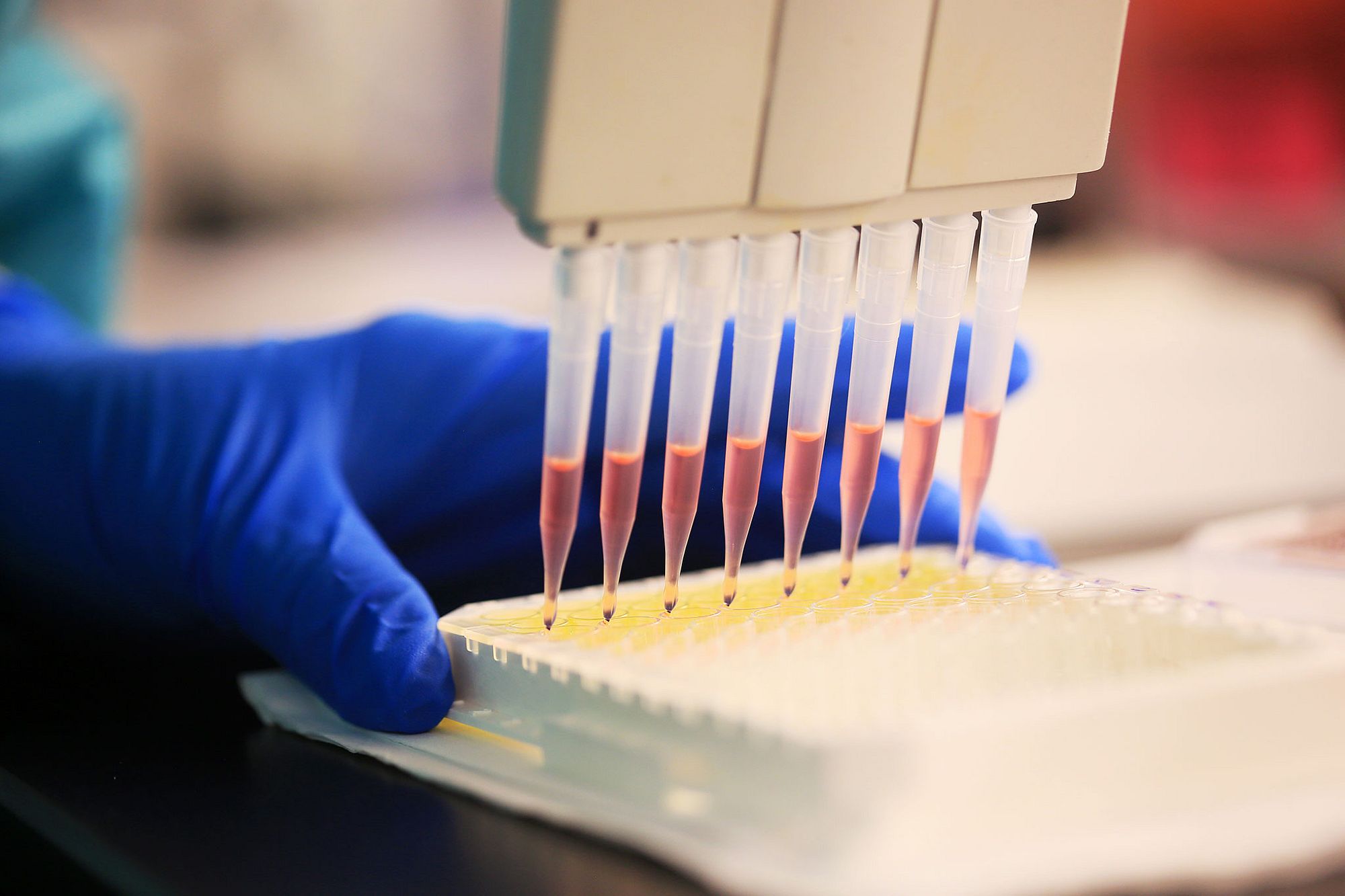
Davies is director of the biological repository for the National Cancer Institute’s Childhood Cancer Survivor Study (CCSS). As the nation’s largest long-term effects program, CCSS collects a combination of medical records and biological data from 14,000 survivors originally diagnosed at 27 different medical institutions between 1970 and 1986. “We have collected almost 10,000 samples of DNA,” said Davies, who has been a member of the CCSS steering committee for 10 years. “We use the samples to study the role of certain genes in making patients more susceptible to late complications of cancer treatment.”
Childhood Cancer Survivor Study data has already been used in variety of research investigating late effects. Behavioral and social outcomes, stroke and premature menopause are just a few of the survivor issues that the data has helped to elucidate. Davies says that one clear result of the data is that cancer survivors have an increased risk of secondary cancer later in life. “CCSS data have been extraordinarily valuable in showing us that the most important side-effect of being treated for cancer is actually getting cancer at another site,” she said. By understanding the most common late effects of treatments, modern therapy can avoid some of the most severe problems and patients can take control over their health as they grow older.
Davies' own research also draws from the CCSS; she has used the data to investigate how certain genes contribute to secondary cancers correlated with obesity, particularly in girls who survive leukemia. Research shows that obesity is a major risk factor in developing secondary cancers, and many female leukemia survivors who received radiation in the brain struggle with weight gain. Davies is also looking at how genes play a role in the possibility of heart-related side-effects of treatment. “By looking at genetic factors, these studies allow us to start to consider the possibility of personalizing therapy to move ahead,” said Davies. “Survivors have benefited from this study because they now have a better knowledge of the screening that they need to protect themselves as they age.”
To keep pace with rapidly changing treatment plans, the CCSS team is currently generating a cohort of children treated in more recently. “The first CCSS cohort included people treated from 1970 to 1986, so we have survivors entering their mid-to-late fifties, thirty years after their treatment,” said Davies. “The new cohort will consist of people treated between 1986 and 1996, so we can look at the consequences of more modern regimens designed to reduce the side-effects.”