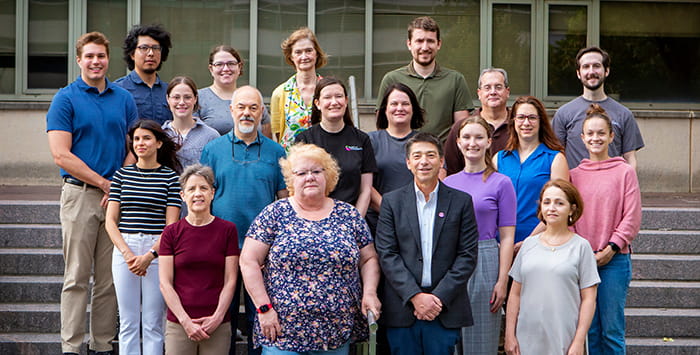
Rothenberg CURED Research Lab
Comprehensive Research on Mechanisms of Allergic Responses
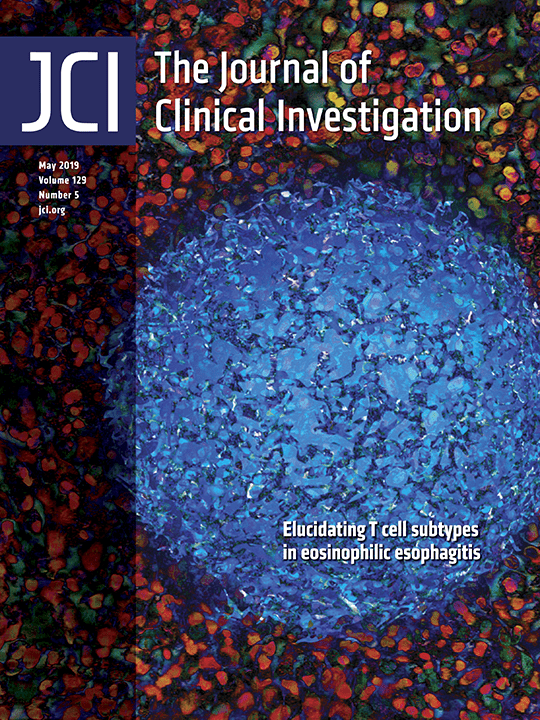
The Rothenberg CURED Research Laboratory is focused on elucidating the mechanisms of allergic responses, especially in mucosal tissues such as the gastrointestinal tract and lung. The goal of our research is to identify mechanisms of allergic inflammation with the aim of developing and testing novel diagnostics and pharmaceutical targets for the treatment and cure of patients with a variety of allergic diseases, especially eosinophilic gastrointestinal disorders (EGID) [e.g., eosinophilic esophagitis (EoE)], hypereosinophilic syndrome (HES), asthma and food allergies. The laboratory bears the name CURED, following the long-term support of the Campaign Urging Research for Eosinophilic Diseases.
Bench to Bedside and Back
We have identified and biologically characterized several critical pathways that regulate allergic responses. Our research integrates multidisciplinary basic studies, with particular emphasis on modern genetic approaches, stem cell research, biochemistry, cell biology, informatics, artificial intelligence, translational research employing novel in vivo and ex vivo systems developed by our laboratory, and clinical studies designed to test proof-of-concept theories and novel therapeutics directly in humans. The generated data are shared with thousands of individuals throughout the world via an innovative web portal EGIDExpress Data Sharing.
Focus on Eosinophils: Homeostasis and Disease
We are investigating the role of eosinophils during health states and disease processes including infections, asthma and gastrointestinal disorders. We are studying the consequences of genetically engineered eosinophil-deficient mice and eosinophil depletion in humans ("human eosinophil knockouts"). Genetic approaches to understanding eosinophil-associated human diseases are a focus area. Why patients develop allergic disorders, focused on genetic and environmental factors and their interactions, are priority research topics. Finally, we are pursuing strategies for diagnostics and patient-reported outcomes and targeted therapeutic intervention in allergic diseases.
Focus on Epithelial Cells in Immunity
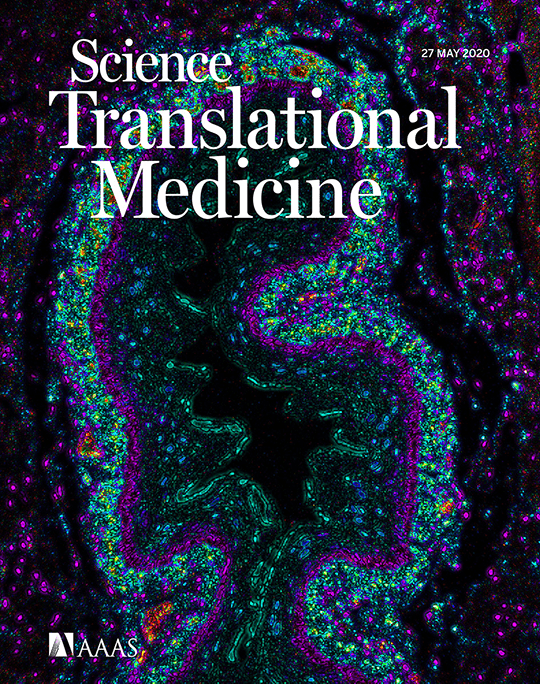
Epithelial cells are the first line of defense against foreign antigens. We are researching the role of epithelial cells as an innate immune organ. Studies focus on stem cell biology, differentiation and repair. Recent findings include the 1) role of anti-proteases in maintaining homeostasis (e.g., Science Translational Medicine 2020), 2) identification and role of RipIL33, an allergen sensor that triggers IL-33 maturation and release (Nature Immunology 2021), and 3) epigenetic role of alarmin TSLP in T cell proliferation and activation (Science Signaling, 2023).