Pestian Research Lab
Computational Based Neuropsychiatric Research
 |
In my lab, we use advanced computational approaches to discover knowledge that will reduce the misery of those who suffer from neuropsychiatric illnesses.
Discovering knowledge is one thing, and getting it in the hands of caregivers is another. So, we disseminate it any way we can—publications, teaching, seminars, and commercialization.
Answering today's scientific questions requires a diverse team of experts. The questions are just too complex for solo investigation.
Our clinical projects include epilepsy and neurosurgery, suicide classification and prevention.
Looking through the publications, you see they are both theoretical and practical.
The common thread is that we use clinical, environmental, linguistics, and other data to teach computers how to understand emotions in text and voice. Some of the tools we use include artificial intelligence, machine learning, natural language processing, computational linguistics, and clinical expertise, to name a few.
Our most recent effort can be found at Cincinnati Children's Decoding Mental Health Center.
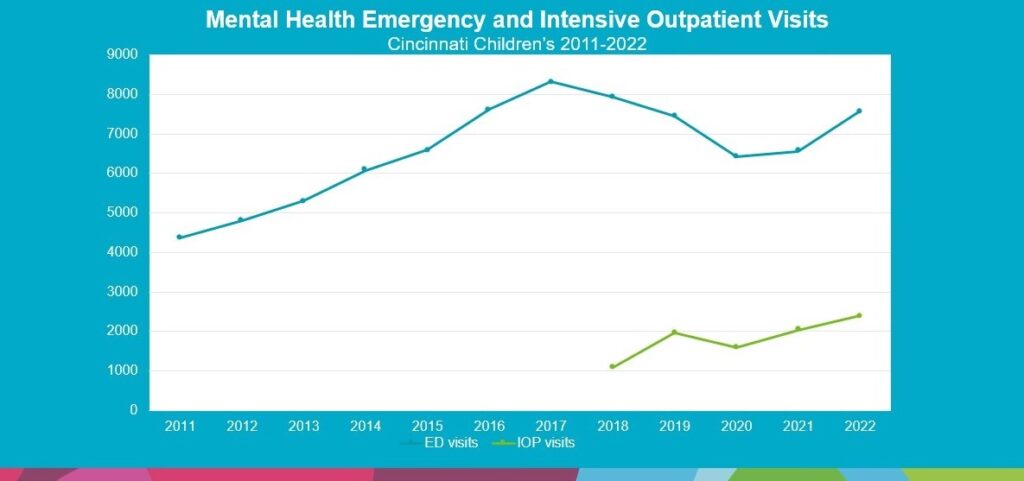
You may not know this, but about 40% of adult mental illness starts when we are young, and half of those illnesses will be passed on to adulthood. If we can identify and treat those illnesses early, we can cure them by stopping their trajectory to adulthood.
At the Decode Center, we are inventing ways to integrate many different data types and compute real-time trajectories for early intervention of anxiety, depression, and suicide ideation. These trajectories will look similar to a pediatric growth chart but will show how these emotions can change over time. Early identification means early treatment and, in some cases, a cure.
The models of early identification are very complex. After all, they must include information about biological, thoughts, environment, and social determinants and be measured over and over. Only the world's most powerful computers can make these computations. That's why Oak Ridge National Lab is a critical strategic partner. In fact, without our clinical expertise and ORNL computational expertise, we could never be so bold as to seek new ways to cure mental illness.