
Philip D. Tolley, MD
- Craniofacial and Pediatric Plastic Surgeon, Division of Pediatric Plastic Surgery
- Assistant Professor, UC Department of Surgery

About
Biography
I specialize in the full breadth of craniofacial surgery, with particular interests in cleft lip and palate, craniosynostosis, midface and mandibular hypoplasia, distraction osteogenesis, orthognathic surgery, rhinoplasty, craniofacial trauma, facial asymmetries and paralysis and reconstructive plastic surgery as a whole. My clinical and research work is dedicated to helping children and families navigate these complex conditions, always with a focus on personalized care tailored to each child’s unique anatomy and reconstructive journey.
What drew me to craniofacial surgery is the intricacy of craniofacial anatomy and the precision required in its surgical care. The face lies at the core of what makes us human—how we express emotion, connect with others and experience the world. It is a profound privilege and responsibility to help restore and enhance facial form and function for children, combining surgical innovation with compassionate, family-centered care. One of the aspects I find most rewarding is the opportunity to care for children throughout their growth—from infancy through adolescence and into adulthood. Witnessing the lasting difference this care makes not only for the child, but for their entire family, is deeply meaningful. I value the enduring relationships built with patients and parents alike, and the shared joy that comes from helping a child thrive.
I earned my medical degree from the University of Texas Southwestern Medical Center in Dallas, where I served as president of the Alpha Omega Alpha Honor Medical Society and received the Ho Din Award, the institution’s highest honor recognizing the top graduating medical student. My integrated residency in plastic and reconstructive surgery was completed at the University of Washington and Seattle Children’s Hospital, where I was honored with the Joseph Gruss Educator and Mentor of the Year Award as chief resident. I then completed fellowship training in craniofacial surgery at the Children’s Hospital of Philadelphia and the University of Pennsylvania.
Beyond medicine, I enjoy spending time with my wife and three children. I’m an avid sports enthusiast and love watching, discussing and playing any sport. My hobbies include snow skiing, cycling, golf and hiking. I also enjoy cooking—especially smoking meat—and bonding with family and friends over game nights.
BS: Exercise and Sports Science, Oregon State University, Corvallis, OR, 2014
MD: UT Southwestern Medical Center, Dallas, TX, 2018
Residency: Plastic Surgery, University of Washington Medical Center and Seattle Children's Hospital, Seattle, WA, 2024
Fellowship: Craniofacial Surgery, Children's Hospital of Philadelphia/University of Pennsylvania, Philadelphia, PA, 2025
Interests
Comprehensive cleft lip and palate care; craniofacial surgery; orthognathic (jaw) surgery; craniosynostosis (minimally invasive, spring mediated, distraction mediated, and open cranial vault reconstruction); midface (subcranial) distraction; upper obstructive airway disease for patients with cleft and craniofacial syndromes; rhinoplasty (functional and aesthetic); complex craniomaxillofacial reconstruction; mandibular distraction; osteogenesis; facial asymmetry/paralysis; otoplasty/ear reconstruction; craniofacial trauma reconstruction; general plastic and reconstructive surgery
Services and Specialties
Interests
Cleft lip and palate; craniosynostosis; midface and mandibular hypoplasia; orthognathic surgery; patient and family reported outcomes; facial asymmetries and paralysis; pediatric plastic surgery
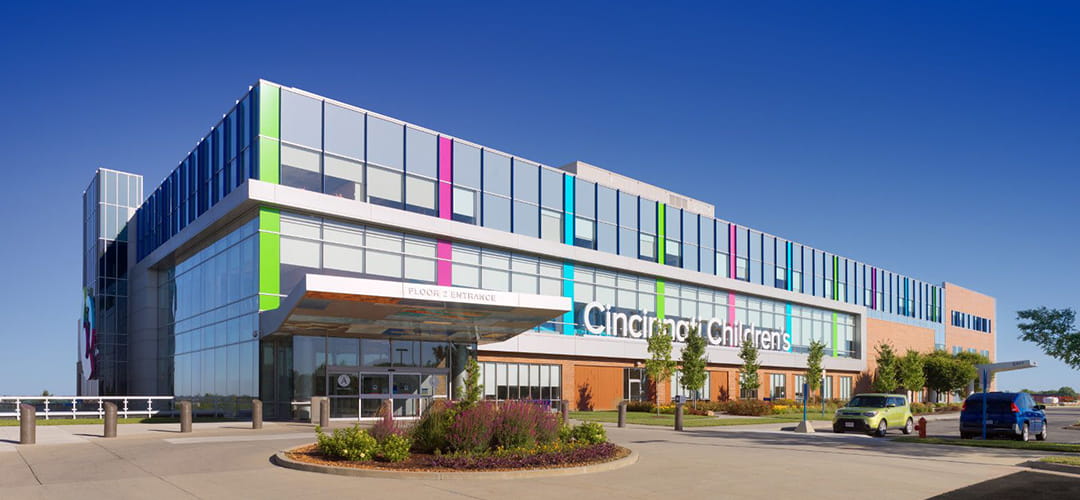
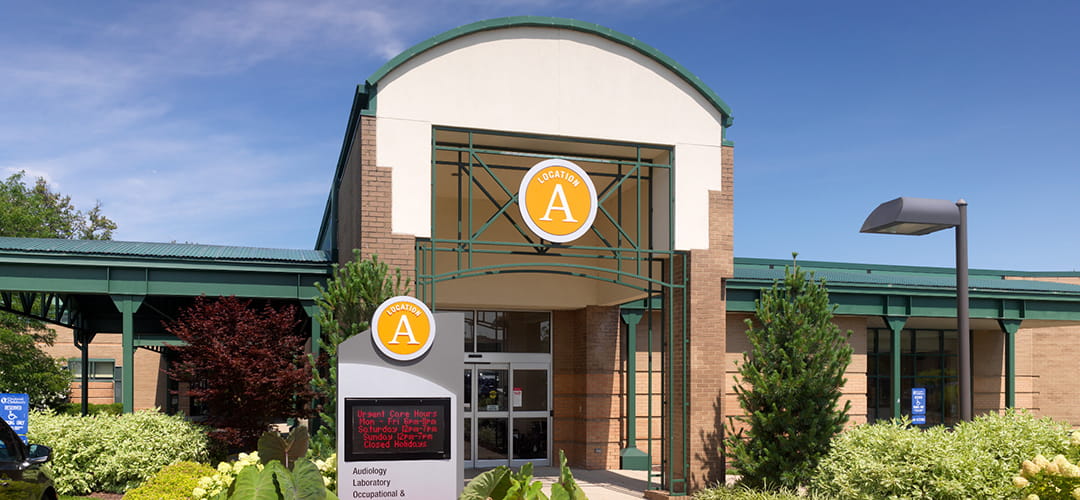
Locations (3)

Insurance Information
Cincinnati Children's strives to accept a wide variety of health plans. Please contact your health insurance carrier to verify coverage for your specific benefit plan.
Publications
Bilateral Cleft Lip Repair With and Without Primary Rhinoplasty: Comparing Two-Year Aesthetic and Anthropometric Outcomes. Cleft Palate-Craniofacial Journal. 2026; 63(10):3398-3407.
Surgically Assisted Rapid Palatal Expansion in Patients With Cleft and Craniofacial Diagnoses. Cleft Palate-Craniofacial Journal. 2026; 63(9):2920-2926.
Applying Latent Profile Analysis to CLEFT-Q Data: A Framework for Understanding Patient Reported Outcomes in Cleft Care. Cleft Palate-Craniofacial Journal. 2026; 63(9):2909-2919.
Global Increase in Oronasal Fistula Rates Following Cleft Palate Repair: A Systematic Review and Meta-Analysis of Reported Fistula Rates. Cleft Palate-Craniofacial Journal. 2026; 63(8):2626-2634.
Patient Reported Outcomes Pre- and Post-Surgery in Patients With Cleft Lip/Palate: An Assessment of Post-Operative Change Utilizing CLEFT-Q. Cleft Palate-Craniofacial Journal. 2026; 63(8):2300-2309.
Endoscopic posterior vault distraction osteogenesis (PVDO): advantages of eliminating the bicoronal incision. Child's Nervous System. 2026; 42(1).
Patient-Reported Outcomes of Primary Cleft Rhinoplasty: A Long-Term Assessment Using CLEFT-Q. Cleft Palate-Craniofacial Journal. 2026; 63(7):1885-1894.
The APERT Severity Scale: A Quantitative Tool for Risk Stratification in Apert Syndrome. Plastic and Reconstructive Surgery. 2026; 158(1):120e-131e.
Component Primary Unilateral Cleft Rhinoplasty: Balancing Dynamics of Overcorrection and Relapse. Annals of Plastic Surgery. 2026; 97(1S):S36-S45.
Economic Valuation and Disability Averted After Cleft Lip and/or Palate Repair in Botswana From 2018 to 2022. Journal of Craniofacial Surgery. 2026.

3333 Burnet Avenue, Cincinnati, Ohio 45229-3026
© 2026 Cincinnati Children's Hospital Medical Center. All rights reserved.


Patient Ratings and Comments
All patient satisfaction ratings and comments are submitted by actual patients and verified by a leading independent experience management company, Qualtrics. Patient identities are withheld to ensure confidentiality and privacy. Only those providers whose satisfaction surveys are administered through Cincinnati Children’s Hospital Medical Center are displayed. Click here to learn more about our survey