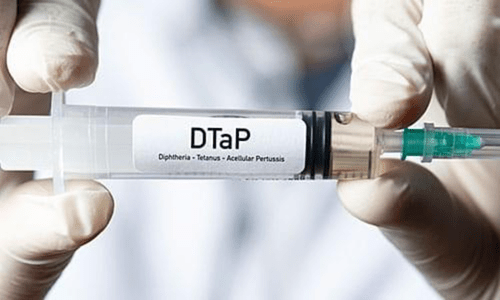
Vaccine FAQs
For nearly a century, pediatricians have worked together to provide science-based health guidance, including vaccination schedules to keep children healthy. At Cincinnati Children’s, our providers remain committed to delivering the highest standard of care and working with patient families to make recommendations that serve the best interests of every child. We are here to answer questions and counsel families as they make important decisions regarding their child’s health.
Here are answers from our pediatricians to common questions we hear about vaccination.
Are vaccines important?
Yes! The carefully designed vaccination schedule works to protect kids from 16 preventable diseases including common childhood diseases like chickenpox, measles, mumps and rubella and some cancers.
These 16 diseases can affect your child’s lungs, liver, heart, muscles, joints and intestines and can cause vomiting, severe diarrhea, bloodstream infections, heart failure, paralysis, brain damage, brain infection, seizures and sometimes death.
Core vaccines have lowered the rate of vaccine-preventable disease by more than 90% and saved lives.
Most children’s first encounter with a pediatrician is at birth, which is when the Hepatitis B vaccine is given. Talk with your newborn’s doctor about your vaccination concerns.
But these diseases aren’t common anymore.
Certain diseases that can be prevented by vaccines are on the rise. That’s why we recommend vaccines to protect your child.
I’m worried about giving my child vaccines.
Talk with us about your concerns. We are here to answer your questions and provide counsel as you make important decisions about your child’s health.
Are vaccines dangerous?
The most common risks of vaccines include mild side effects like pain and redness at the site of injection as well as low-grade fevers.
The majority of side effects are not severe and get better within one to two days.
It seems like there are too many injections at once. Is that safe?
It is safe to receive multiple vaccines at once and it’s much harder to give them separately over multiple visits. Also, a vaccine works the same if given on its own or with other vaccines to help protect your child from disease. For nearly a century, carefully designed vaccine schedules have helped children stay healthy and active. If your child is healthy, changing from the recommended vaccine schedule can put your child at risk for serious illness from diseases that can be prevented by vaccines.
What if I want to wait until my child is older before vaccinating them?
We have not seen any benefit from delaying vaccinations, and waiting to vaccinate can put your child at risk for serious illness and even death from preventable diseases. For example, delaying the hepatitis B vaccine will lead to deaths.
I’m considering not getting my child vaccinated.
Delaying or skipping vaccinations puts your child at risk for serious illness from preventable diseases. Talk with us about your concerns. We want to be sure you have accurate and up-to-date information as you make decisions about your child's health.
I found information online that worries me.
It can be challenging to navigate all the information online. Like you, we want to keep your child as healthy as possible. Let us know what you read online so we can be sure you have the most accurate and up-to-date information.
My family member with a medical background told me I should not vaccinate my child.
You want to keep your child as healthy as possible—that's our goal, too. Talk with us about what you have been told so we can make sure you have accurate and up-to-date information.
I heard that the COVID vaccine is mixed in with or has been added to other childhood vaccinations.
The COVID vaccine is not mixed in with or added to other childhood vaccinations.
I’m worried about what’s in the vaccines and don't think they are safe to give to kids.
Like you, we want to make sure that anything you give your child is safe. It’s important to understand what you are giving your child to keep them healthy. Talk with us to get the information you need to make decisions about your child's health.
Why would my daughter or son need an HPV vaccine?
The HPV vaccine prevents cancer.
Girls vaccinated against HPV have a 90% lower risk of developing cervical cancer as compared to unvaccinated girls.
We now know that the HPV vaccine can prevent almost 70% of throat cancers.
The vaccine also can almost entirely eliminate the risk of genital warts. While not deadly, genital warts cause great emotional distress and are very difficult and painful to treat.
The recommended schedule is for both girls and boys to be vaccinated against HPV starting at age 11 or 12 but having the vaccine as young as 9 is allowed.
Should my child have the flu vaccine?
Vaccinating your child against the flu can reduce flu illnesses, visits to doctor's offices and missed school due to flu. It can make symptoms less severe. Talk with us about your concerns. We are here to answer questions and counsel families as they make important decisions regarding their child’s health.