Patient Navigation and Coordination Streamline Craniosynostosis Care
In the U.S., roughly one in every 2,500 babies is born with craniosynostosis, a condition that causes their skull bones to fuse too early. For more than 30 years, Cincinnati Children’s Craniosynostosis and Cranial Reconstruction Center has delivered the specialized surgical and medical care these children need. Each year, surgeons and providers in this high-volume referral center treat approximately 280 infants, with nearly 25% requiring surgery.
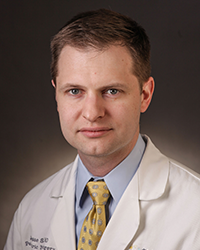
In recent years, the center’s structure was redesigned to give patients easier access to comprehensive, multidisciplinary care, says Brian Pan, MD, FACS, director of the division of pediatric plastic surgery. Instead of scheduling multiple appointments that take more time and delay collaboration between providers, the clinic now brings its experts together for one-stop appointments.
“We have been intentional about trying to create a truly integrated multidisciplinary program,” he says. “Now, our neurosurgeons and plastic surgeons together to meet the patient and family on the same day at the same time. This way, we provide a unified plan at the time of that visit.”
In addition to coordinating same-day appointments across specialties, the center also hired a dedicated nurse coordinator to help patients navigate the treatment process.
“Our nurse coordinator is the point person for our patients. She answers initial inquiries from families, coordinates visits and helps with preoperative planning like logistics with travel and accommodations,” Dr. Pan says, noting this type of position is rare among craniosynostosis clinics. “She speaks the language of both plastic surgery and neurosurgery. For families, having an accessible and knowledgeable contact who can easily connect with busy surgeons is a big plus.”
Dr. Pan and Dr. Skoch provide these leading-edge services alongside fellow surgeons Smruti Patel, MD, Scott Rapp, MD, and Philip Tolley, MD, and nurse coordinator Veronika Elsaesser, RN.