Projects
Lab Projects (5)
Validation of a Novel Ultrasound Score to Improve the Assessment of Joint Inflammation in Children with Juvenile Arthritis (MSUS-10 in JIA)
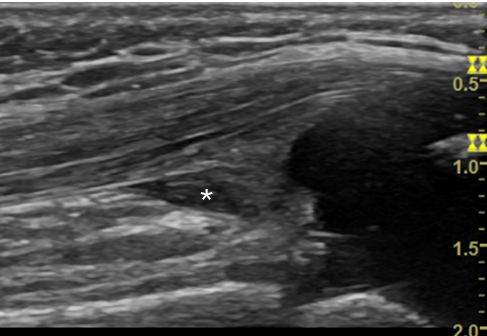
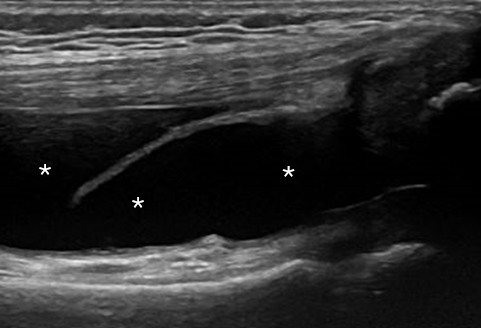
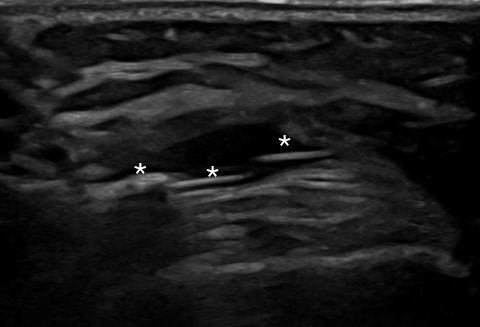
The main goal of this research study is to learn more about children with juvenile idiopathic arthritis (JIA) and how ultrasound can be used to evaluate their joints. This study looks at whether bedside ultrasound can accurately show joint inflammation. We also want to understand how ultrasound findings relate to tests from blood, joint fluid, and joint tissue.
Project Collaborators
Improving the Assessment of Joint Inflammation in Children with Chronic Arthritis
Ultrasound and whole-body magnetic resonance imaging (WBMRI) are used to better understand joint inflammation in children with JIA. Being able to detect inflammation accurately may help doctors choose safer and more effective treatments. This may lead to better outcomes and quality of life for children with JIA.
Project Collaborators
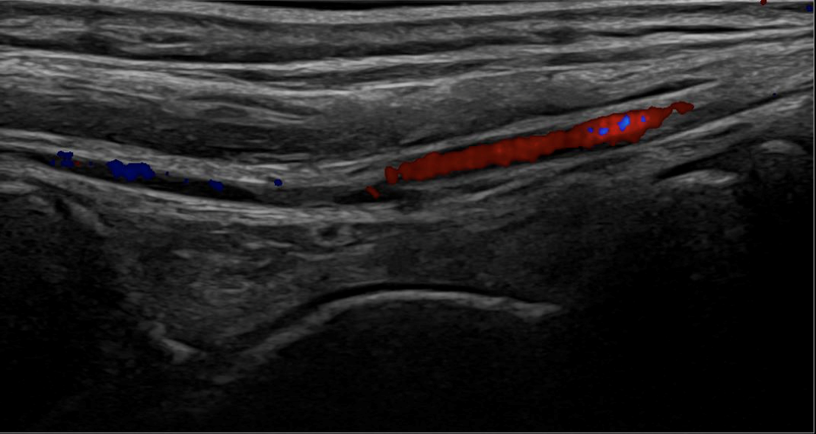
Musculoskeletal Ultrasound: Towards Standardization and Validation of Pediatric Arthritis Ultrasound Scoring Systems for the Evaluation of Pediatric Arthritis (PAUSS)
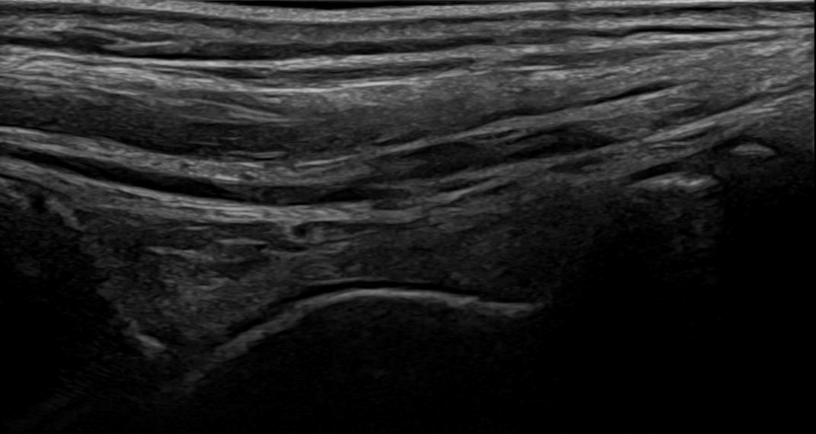
The main goal of this research study is to learn more about children with juvenile idiopathic arthritis (JIA) and how musculoskeletal ultrasound (MSUS) can be used in their care. MSUS is a fast, non-invasive imaging tool that can be done at the bedside by a trained provider to check for joint inflammation.
This study aims to: (1) find out whether a new MSUS scoring system can accurately measure joint inflammation at the bedside, and (2) understand how this score relates to markers found in blood and joint fluid. Detecting joint inflammation accurately may help doctors make safer and better treatment choices, which could improve health outcomes and quality of life for children with JIA.
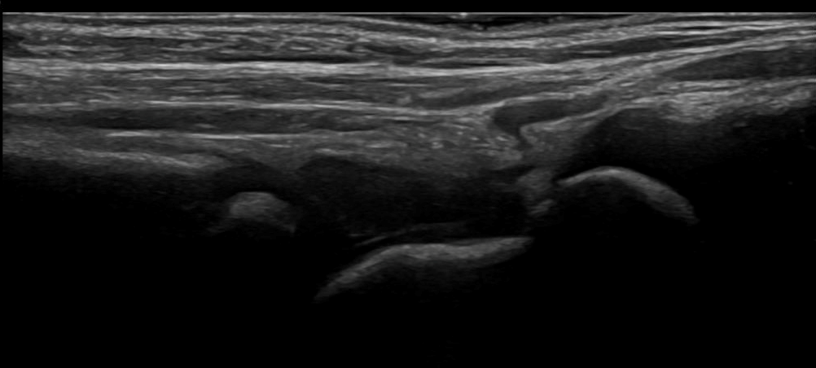
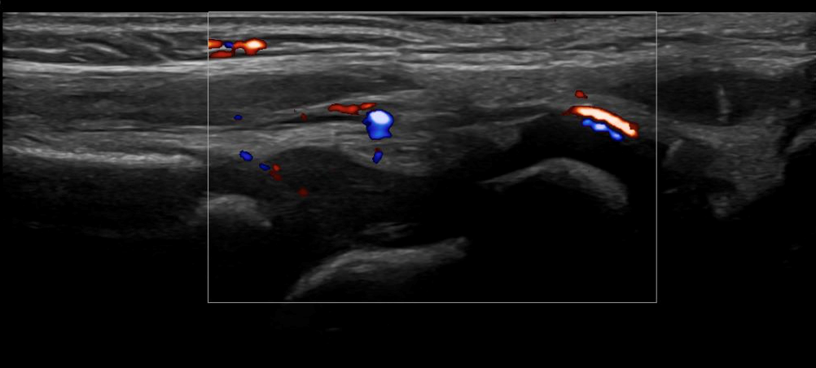
Lung Ultrasound in Pediatric Connective Tissue Disease-Associated Lung Disease
The purpose of this research study is to learn how lung ultrasound can help doctors better care for children with connective tissue diseases. Lung ultrasound is a safe and painless test that uses sound waves to look at the lungs.
By studying lung ultrasound findings, we hope to better understand these diseases, improve how they are diagnosed, and guide treatment decisions. The study includes children with conditions such as lupus, juvenile idiopathic arthritis, juvenile dermatomyositis, mixed or undifferentiated connective tissue disease, vasculitis, and systemic sclerosis.
Project Collaborators
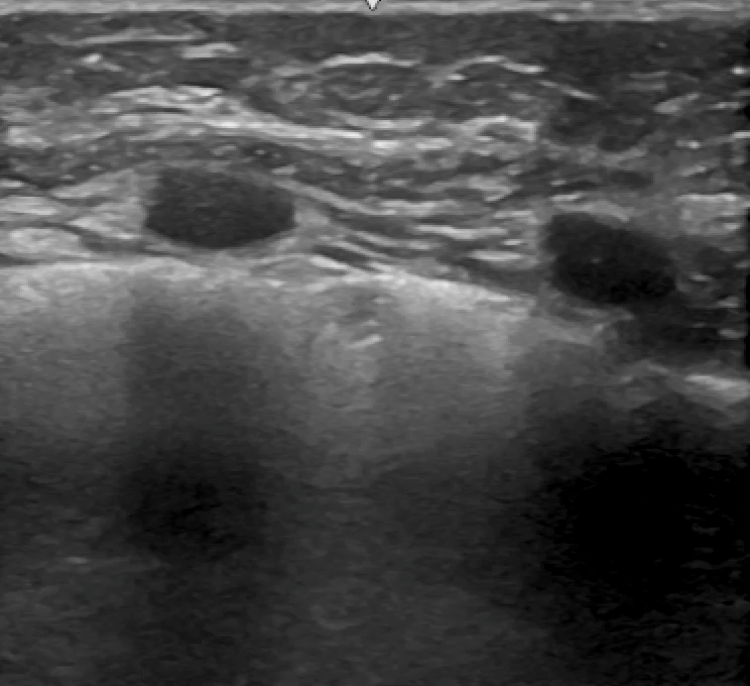
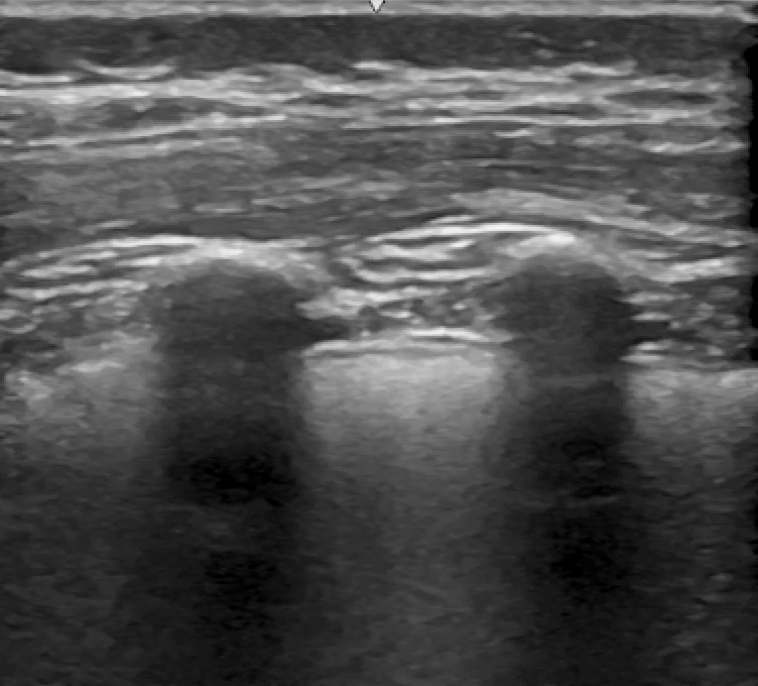
Point-of-Care Ultrasound as a Clinical Decision-Making Tool to Improve the Assessment of Joint Inflammation in Children in Low-Resource Settings (POCUS)
The main goal of this research study is to learn how musculoskeletal point-of-care ultrasound (POCUS) can be used as part of everyday medical care for children with rheumatic diseases around the world. We want to understand how easy POCUS is to use and how well it helps doctors care for children in different settings, including areas with limited medical resources.
Ultrasound is commonly used to help diagnose, monitor, and guide treatment for pediatric rheumatic diseases. POCUS is especially helpful in global health settings because it costs less, is portable, and does not require large equipment. This allows healthcare providers to bring ultrasound directly to the patient, even in clinics or communities with limited access to specialized imaging.
By studying POCUS in these settings, we hope to show that it is a practical and effective tool for improving access to care and supporting better health outcomes for children with rheumatic diseases worldwide.

3333 Burnet Avenue, Cincinnati, Ohio 45229-3026
© 2026 Cincinnati Children's Hospital Medical Center. All rights reserved.


